
- Physical Examination
- Surgical Examination
- Ophthalmology
- Clinical Skills
- Orthopedics
- Surgery Videos
- Laparoscopy
- Pediatrics
- Funny Videos
- Cardiothoracic Surgery
- Nursing Videos
- Plastic Surgery
- Otorhinolaryngology
- Histology and Histopathology
- Neurosurgery
- Dermatology
- Pediatric Surgery
- Urology
- Dentistry
- Oncology and Cancers
- Anatomy Videos
- Health and Fitness
- Radiology
- Anaesthesia
- Physical Therapy
- Pharmacology
- Interventional Radiology
- Cardiology
- Endocrinology
- Gynecology
- Emergency Medicine
- Psychiatry and Psychology
- Childbirth Videos
- General Medical Videos
- Nephrology
- Physiology
- Diet and Food Health
- Diabetes Mellitus
- Neurology
- Women Health
- Osteoporosis
- Gastroenterology
- Pulmonology
- Hematology
- Rheumatology
- Toxicology
- Nuclear Medicine
- Infectious Diseases
- Vascular Disease
- Reproductive Health
- Burns and Wound Healing
- Kidney Zone Podcast
- Other
Pregnancy Week 8
Week 8 of 42 · First Trimester (weeks 1–13). Your baby is about the size of a raspberry.
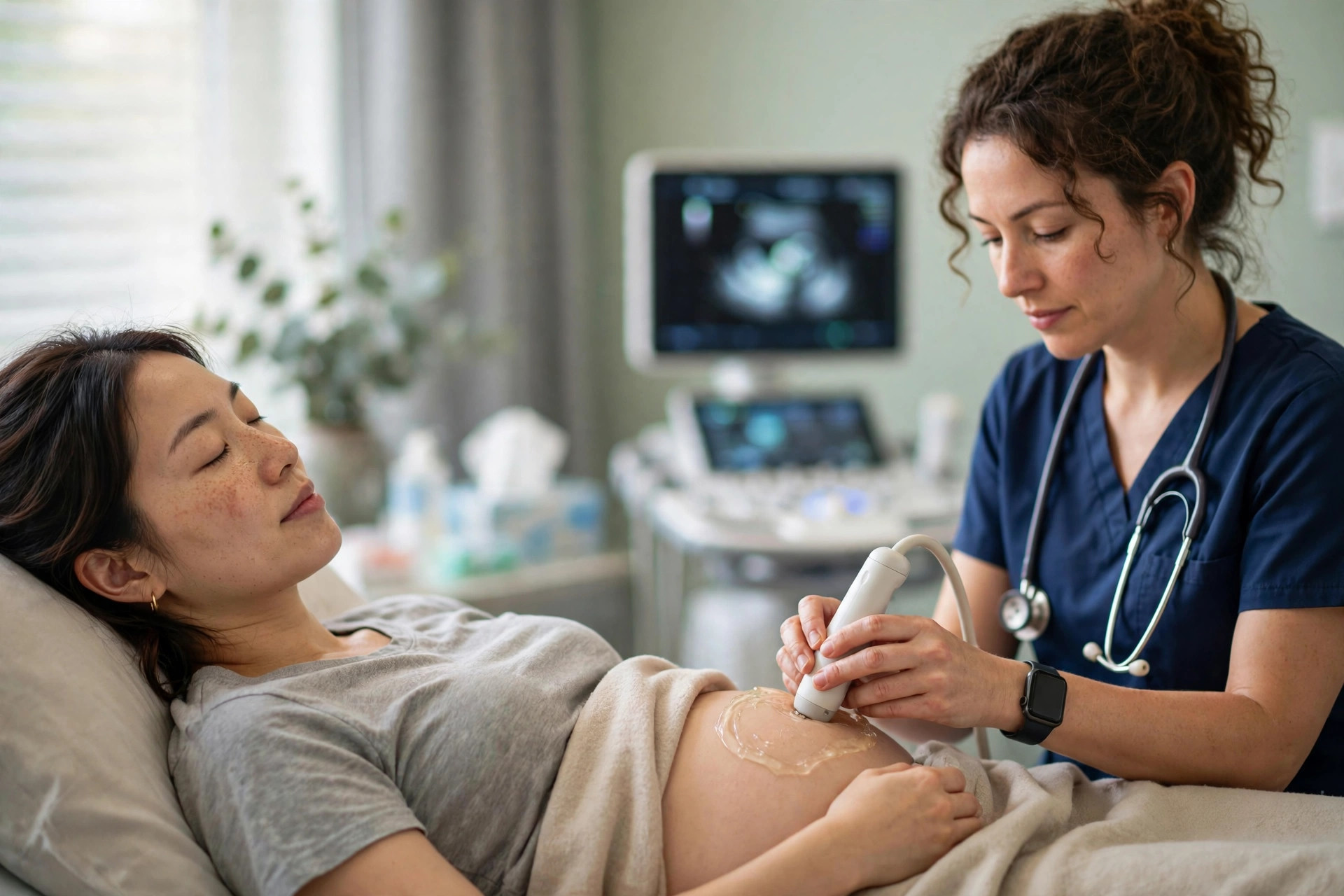
Your baby's development
Your baby is about 16 mm long — roughly the size of a raspberry — and growing very quickly.
The arms and legs have grown longer, and hands and feet are beginning to form like tiny paddles; the lungs are starting to form too.
The placenta is developing the little branches that will anchor it to the wall of the womb and pass oxygen and nutrients to your baby.
What's happening in your body
Tiredness, sickness, sore breasts and needing to urinate more often are typical; headaches and mood swings are also common.
You may feel bloated, but it will usually be a few more weeks before you start to look pregnant.
Week 8 checklist
- Your first (booking) appointment usually happens around now — expect blood tests, a urine check and a discussion of screening tests.
- Rest when you can: first-trimester exhaustion is real and usually lifts in the second trimester.
Useful links and tools
- Due date calculator
- Pregnancy condition guide
- Childbirth guide
- What is an ultrasound in pregnancy?
- Childbirth videos
- Women's health videos
Frequently asked questions
How big is my baby at week 8 of pregnancy?
At week 8 your baby is about the size of a raspberry, about 1.6 cm long (crown–rump). These are averages from standard fetal growth charts — every baby grows at a slightly different rate, and your own scan measurements matter more than any chart.
What might I feel at week 8 of pregnancy?
Tiredness, sickness, sore breasts and needing to urinate more often are typical; headaches and mood swings are also common. You may feel bloated, but it will usually be a few more weeks before you start to look pregnant.
This guide describes how pregnancy typically progresses week by week. It is general educational information only — not medical advice, and it cannot describe your own pregnancy: babies develop at different rates, and every size and date here is an average. Always follow the advice of your own midwife, doctor or obstetric team, and contact them — or your local maternity service — promptly if you have pain, bleeding, leaking fluid, or any reduction in your baby's movements, at any stage.