
- Physical Examination
- Surgical Examination
- Ophthalmology
- Clinical Skills
- Orthopedics
- Surgery Videos
- Laparoscopy
- Pediatrics
- Funny Videos
- Cardiothoracic Surgery
- Nursing Videos
- Plastic Surgery
- Otorhinolaryngology
- Histology and Histopathology
- Neurosurgery
- Dermatology
- Pediatric Surgery
- Urology
- Dentistry
- Oncology and Cancers
- Anatomy Videos
- Health and Fitness
- Radiology
- Anaesthesia
- Physical Therapy
- Pharmacology
- Interventional Radiology
- Cardiology
- Endocrinology
- Gynecology
- Emergency Medicine
- Psychiatry and Psychology
- Childbirth Videos
- General Medical Videos
- Nephrology
- Physiology
- Diet and Food Health
- Diabetes Mellitus
- Neurology
- Women Health
- Osteoporosis
- Gastroenterology
- Pulmonology
- Hematology
- Rheumatology
- Toxicology
- Nuclear Medicine
- Infectious Diseases
- Vascular Disease
- Reproductive Health
- Burns and Wound Healing
- Kidney Zone Podcast
- Other
Arthroscopy (keyhole joint surgery): What to Expect & Recovery
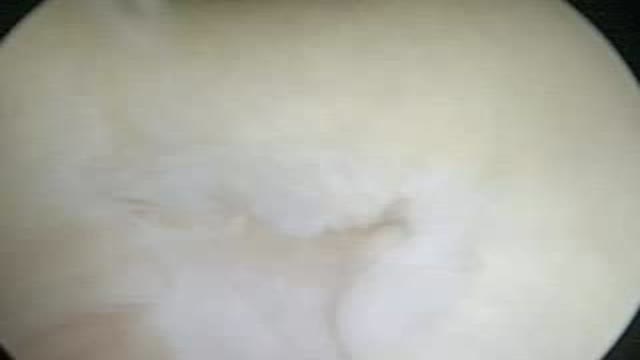
Arthroscopy looks inside a joint with a camera through small cuts, and treats many problems — torn cartilage, loose fragments, inflamed lining — at the same time. Most people go home the same day; how fast you recover depends on the joint and what was done inside it.
Before surgery: how to prepare
- Ask what is planned and what might be done if a problem is found — arthroscopy often treats as it looks, and consent should cover the possibilities.
- Review medicines, especially blood thinners, and follow fasting instructions for the anaesthetic or sedation.
- Arrange a lift home and crutches or support if the leg is involved — you may need them for a few days.
- Plan a few lighter days afterwards even for 'minor' keyhole surgery; joints stay swollen and sore longer than the small wounds suggest.
The day of surgery
Under a general anaesthetic (or spinal for lower-limb joints), the surgeon inserts a camera through a small cut and instruments through one or two more, inspecting the joint and treating what is found — trimming, repairing, removing loose pieces or smoothing surfaces. You wake with dressings (sometimes a bandage) over the small wounds.
In hospital
Recovery timeline
Every recovery is individual, but most follow this general arc:
Warning signs: when to get help
- Increasing pain, swelling or redness of the joint after initial improvement
- Fever, or the joint becoming hot and very painful (possible infection — needs urgent review)
- Wounds leaking or opening
- Calf pain or swelling after leg surgery
- The joint locking or giving way repeatedly
Related topics
Watch: real operation videos
From the MedicalVideos library. Some surgical videos are graphic and intended for education.
Frequently asked questions
Why is my joint so swollen when the cuts are tiny?
The operation happens inside the joint: fluid is pumped through it during surgery, tissues are treated, and healing creates its own swelling. Swelling commonly outlasts the skin wounds by weeks and settles faster with elevation, ice and regular gentle movement.
When can I drive after arthroscopy?
When you have full control of the limb, can perform an emergency stop safely, and are off strong painkillers. For a simple knee arthroscopy that is often within 1 to 2 weeks; repairs take longer. If in doubt, ask your surgical team and check your insurance.
Medically reviewed by Dr. Mohamed Ibrahim, Assistant Professor of Medicine, Transplant Nephrology, University of Maryland School of Medicine. Last reviewed: 12 November 2026.