
- Physical Examination
- Surgical Examination
- Ophthalmology
- Clinical Skills
- Orthopedics
- Surgery Videos
- Laparoscopy
- Pediatrics
- Funny Videos
- Cardiothoracic Surgery
- Nursing Videos
- Plastic Surgery
- Otorhinolaryngology
- Histology and Histopathology
- Neurosurgery
- Dermatology
- Pediatric Surgery
- Urology
- Dentistry
- Oncology and Cancers
- Anatomy Videos
- Health and Fitness
- Radiology
- Anaesthesia
- Physical Therapy
- Pharmacology
- Interventional Radiology
- Cardiology
- Endocrinology
- Gynecology
- Emergency Medicine
- Psychiatry and Psychology
- Childbirth Videos
- General Medical Videos
- Nephrology
- Physiology
- Diet and Food Health
- Diabetes Mellitus
- Neurology
- Women Health
- Osteoporosis
- Gastroenterology
- Pulmonology
- Hematology
- Rheumatology
- Toxicology
- Nuclear Medicine
- Infectious Diseases
- Vascular Disease
- Reproductive Health
- Burns and Wound Healing
- Kidney Zone Podcast
- Other
Arthroscopy (keyhole joint surgery)
Category: Endoscopy & Camera Tests · All endoscopy & camera tests
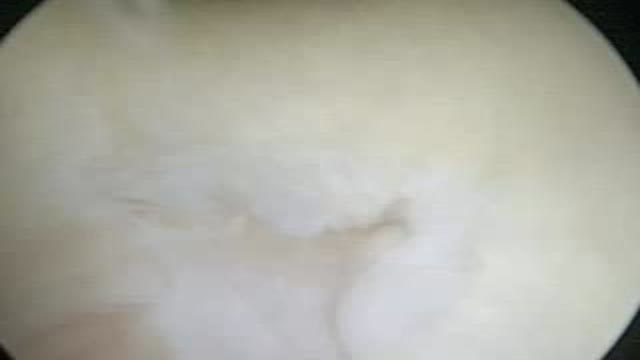
What it is
Arthroscopy is keyhole surgery on a joint: a pencil-thin camera and miniature instruments are inserted through small cuts to look inside the joint and treat problems such as torn cartilage or loose fragments. The knee is most common; shoulders, ankles, wrists, elbows and hips can also be treated.
Why it is done
It is used to diagnose unexplained joint problems and to treat torn meniscus or cartilage, remove loose bodies, repair some ligament and tendon problems and wash out infected joints.
How to prepare
You will have a pre-assessment and fast beforehand. Tell the team about blood thinners, allergies and any skin infection near the joint. Plan for crutches and help at home for a day or two for lower-limb joints.
What happens during the procedure
Usually under general anaesthetic (sometimes spinal for the knee), the joint is filled with fluid, the camera inserted through a small cut, and instruments through one or two further cuts. You watch none of it; the surgeon works from the screen. It usually takes 30 to 60 minutes.
Afterwards — recovery & results
Most people go home the same day. The joint is often swollen for days to weeks; elevation, ice (as advised) and early movement or physiotherapy help. Time off work depends on the joint and what was done — often a few days to two weeks.
Risks & considerations
Risks include infection, bleeding into the joint, blood clots (leg surgery), nerve or cartilage injury, and stiffness. Serious complications are uncommon. Not every problem found can be fixed by arthroscopy, and arthritis itself is not cured by it.
Watch: Arthroscopy (keyhole joint surgery) videos
Real procedure videos from the MedicalVideos.com library. Some clinical footage is graphic — that is the nature of a medical video library.
Related guides on MedicalVideos.com
Frequently asked questions
Will arthroscopy fix my arthritis?
No. It treats specific mechanical problems like torn cartilage or loose fragments; wear-and-tear arthritis pain often responds better to physiotherapy, weight and pain management, which your surgeon will discuss.
When can I drive?
Once you can bend the knee enough, bear weight comfortably and perform an emergency stop — often after a few days to two weeks for knee surgery. Follow your surgeon's advice.
Related procedures — Endoscopy & Camera Tests
Browse the A section of the A–Z list or return to the Procedures & Tests hub.