
- Physical Examination
- Surgical Examination
- Ophthalmology
- Clinical Skills
- Orthopedics
- Surgery Videos
- Laparoscopy
- Pediatrics
- Funny Videos
- Cardiothoracic Surgery
- Nursing Videos
- Plastic Surgery
- Otorhinolaryngology
- Histology and Histopathology
- Neurosurgery
- Dermatology
- Pediatric Surgery
- Urology
- Dentistry
- Oncology and Cancers
- Anatomy Videos
- Health and Fitness
- Radiology
- Anaesthesia
- Physical Therapy
- Pharmacology
- Interventional Radiology
- Cardiology
- Endocrinology
- Gynecology
- Emergency Medicine
- Psychiatry and Psychology
- Childbirth Videos
- General Medical Videos
- Nephrology
- Physiology
- Diet and Food Health
- Diabetes Mellitus
- Neurology
- Women Health
- Osteoporosis
- Gastroenterology
- Pulmonology
- Hematology
- Rheumatology
- Toxicology
- Nuclear Medicine
- Infectious Diseases
- Vascular Disease
- Reproductive Health
- Burns and Wound Healing
- Kidney Zone Podcast
- Other
Bunion surgery (hallux valgus correction): What to Expect & Recovery
Bunion surgery realigns the big toe by cutting and repositioning the bone, usually with small screws. You walk from day one in a stiff post-operative shoe — but the foot takes months, not weeks, to feel normal again as swelling slowly melts away.
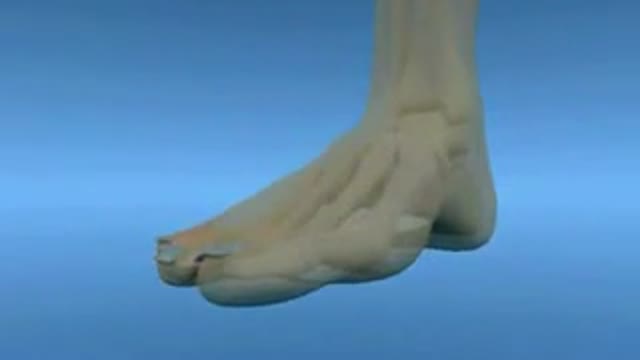
Before surgery: how to prepare
- Buy or be given the post-operative shoe and practise heel-walking in it; arrange a lift home — you cannot drive in it.
- Plan elevation: the single most effective recovery tool for foot surgery is a foot kept up above heart level for much of the first two weeks.
- Expect desk work at 2 to 4 weeks and normal shoes at about 6 to 8 weeks (procedures dataset) — plan footwear and work accordingly.
- Stop smoking if possible — foot wounds and bone healing are sensitive to smoking.
The day of surgery
Under a general anaesthetic or an ankle block with sedation, the surgeon cuts and realigns the first metatarsal bone, fixes it with small screws, and releases or tightens soft tissues as needed. You wake with the foot bandaged and elevated, and walk out in the post-operative shoe using crutches or a stick for balance.
In hospital
Recovery timeline
Every recovery is individual, but most follow this general arc:
Warning signs: when to get help
- Pain that suddenly worsens after improving, or throbbing that painkillers cannot control
- The bandage feeling increasingly tight with toes becoming pale, blue or numb
- Wound redness, leaking or fever (infection)
- Calf pain or swelling
- Bleeding soaking through the dressing
Related topics
Watch: real operation videos
From the MedicalVideos library. Some surgical videos are graphic and intended for education.
Frequently asked questions
Why is my foot still swollen months later?
Foot surgery swelling is famously slow: gravity works against the foot all day, and bone and soft tissue heal over months. Elevation when resting, supportive shoes and patience are the treatment — most feet feel normal by about 6 months, with residual puffiness up to a year not unusual.
When can I drive?
Not until you are out of the post-operative shoe, can wear a normal shoe on the operated foot (if it is the right foot or you drive a manual), and can perform an emergency stop safely. Many people need around 6 weeks; ask your surgeon and check your insurance.
Medically reviewed by Dr. Mohamed Ibrahim, Assistant Professor of Medicine, Transplant Nephrology, University of Maryland School of Medicine. Last reviewed: 12 November 2026.