
- Physical Examination
- Surgical Examination
- Ophthalmology
- Clinical Skills
- Orthopedics
- Surgery Videos
- Laparoscopy
- Pediatrics
- Funny Videos
- Cardiothoracic Surgery
- Nursing Videos
- Plastic Surgery
- Otorhinolaryngology
- Histology and Histopathology
- Neurosurgery
- Dermatology
- Pediatric Surgery
- Urology
- Dentistry
- Oncology and Cancers
- Anatomy Videos
- Health and Fitness
- Radiology
- Anaesthesia
- Physical Therapy
- Pharmacology
- Interventional Radiology
- Cardiology
- Endocrinology
- Gynecology
- Emergency Medicine
- Psychiatry and Psychology
- Childbirth Videos
- General Medical Videos
- Nephrology
- Physiology
- Diet and Food Health
- Diabetes Mellitus
- Neurology
- Women Health
- Osteoporosis
- Gastroenterology
- Pulmonology
- Hematology
- Rheumatology
- Toxicology
- Nuclear Medicine
- Infectious Diseases
- Vascular Disease
- Reproductive Health
- Burns and Wound Healing
- Kidney Zone Podcast
- Other
Bunion surgery (hallux valgus correction)
Category: Bone, Joint & Spine Procedures · All bone, joint & spine procedures
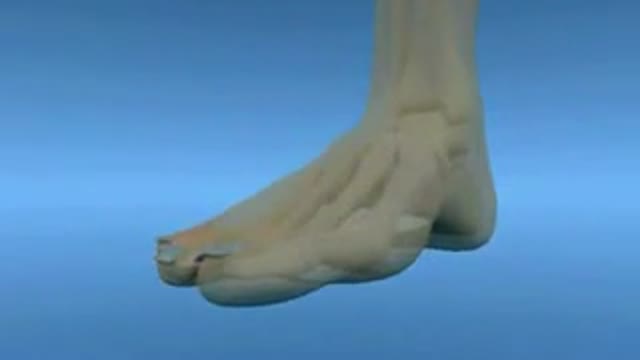
What it is
Bunion surgery realigns the big toe joint by cutting and repositioning the bone (osteotomy), fixed with small screws, and balancing the soft tissues, to correct the bunion (hallux valgus) deformity.
Why it is done
It is offered for bunions causing persistent pain, difficulty with footwear, or problems with the neighbouring toes despite wide shoes and other conservative measures — not purely for appearance in most services.
How to prepare
You will have foot X-rays (taken standing), assessment and fasting. Plan several weeks of reduced weight-bearing activity, a special post-operative shoe, and help at home initially; the foot must be elevated a lot in the first fortnight.
What happens during the procedure
Under general or regional anaesthetic (often with a numbing ankle block), the surgeon performs the osteotomy through cuts on the foot, realigns the toe and fixes the bone. It takes about 45 to 90 minutes depending on severity and whether other toes are treated.
Afterwards — recovery & results
You walk in a stiff post-operative shoe from the start in most cases, keeping weight to the heel as instructed. Swelling lasts for months — the foot takes up to six months or more to feel normal. Most return to desk work in two to four weeks and normal shoes by about six to eight weeks.
Risks & considerations
Risks include infection, delayed bone healing, stiffness, transfer pain under the other toes, recurrence or overcorrection, nerve irritation causing numbness, and blood clots (uncommon in foot surgery). Your surgeon will match the procedure to your deformity and discuss expectations.
Watch: Bunion surgery (hallux valgus correction) videos
Real procedure videos from the MedicalVideos.com library. Some clinical footage is graphic — that is the nature of a medical video library.
Frequently asked questions
Will my foot look completely straight?
The aim is a straighter, comfortable foot that fits shoes. Perfect cosmetic straightness is not guaranteed, and mild residual angle is common.
Why does swelling last so long?
The foot is the lowest part of the body, so fluid collects there. Elevation in the first weeks is the single most effective thing you can do.
Related procedures — Bone, Joint & Spine Procedures
Browse the B section of the A–Z list or return to the Procedures & Tests hub.