
- Physical Examination
- Surgical Examination
- Ophthalmology
- Clinical Skills
- Orthopedics
- Surgery Videos
- Laparoscopy
- Pediatrics
- Funny Videos
- Cardiothoracic Surgery
- Nursing Videos
- Plastic Surgery
- Otorhinolaryngology
- Histology and Histopathology
- Neurosurgery
- Dermatology
- Pediatric Surgery
- Urology
- Dentistry
- Oncology and Cancers
- Anatomy Videos
- Health and Fitness
- Radiology
- Anaesthesia
- Physical Therapy
- Pharmacology
- Interventional Radiology
- Cardiology
- Endocrinology
- Gynecology
- Emergency Medicine
- Psychiatry and Psychology
- Childbirth Videos
- General Medical Videos
- Nephrology
- Physiology
- Diet and Food Health
- Diabetes Mellitus
- Neurology
- Women Health
- Osteoporosis
- Gastroenterology
- Pulmonology
- Hematology
- Rheumatology
- Toxicology
- Nuclear Medicine
- Infectious Diseases
- Vascular Disease
- Reproductive Health
- Burns and Wound Healing
- Kidney Zone Podcast
- Other
Circumcision: What to Expect & Recovery
Circumcision removes the foreskin, in adults usually for tightness (phimosis), recurrent infection or other medical reasons. The operation is a day case; the recovery — one to two weeks of swelling and bruising, with sensitivity that settles over weeks — simply needs cleanliness and patience.
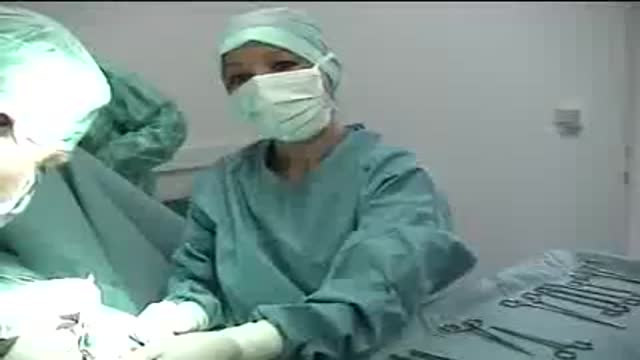
Before surgery: how to prepare
- Tell the team about blood thinners and bleeding tendencies — a blood collection is the complication to avoid here.
- Follow fasting instructions if a general anaesthetic is planned.
- Buy supportive (not tight) underwear and loose trousers for the first week, plus simple painkillers.
- Arrange a lift home after a general anaesthetic, and a few quiet days — desk work is usually possible within days, physical work takes longer.
The day of surgery
Under a general or local anaesthetic, the surgeon removes the foreskin and stitches the skin edges with dissolving stitches. The penis is dressed, sometimes with a light bandage for the first day or two. You go home once you have passed urine comfortably.
In hospital
Recovery timeline
Every recovery is individual, but most follow this general arc:
Warning signs: when to get help
- Bleeding that soaks dressings or a rapidly enlarging swelling (blood collection)
- Increasing pain, redness, discharge or fever (infection)
- Being unable to pass urine
- The wound opening up
- Swelling that keeps growing after the first few days
Related topics
Watch: real operation videos
From the MedicalVideos library. Some surgical videos are graphic and intended for education.
Frequently asked questions
Is the swelling really normal? It looks terrible.
Yes — the foreskin has a generous blood and lymph supply, so post-operative swelling and purple bruising can look alarming while being entirely expected. It peaks in the first few days and resolves over 1 to 2 weeks. Supportive underwear and keeping the penis pointing upwards reduce it.
When can I have sex again?
Wait until the wound is fully healed — usually about 4 to 6 weeks in adults — and you have been reviewed if a follow-up was arranged. Starting earlier risks splitting the wound and infection.
Medically reviewed by Dr. Mohamed Ibrahim, Assistant Professor of Medicine, Transplant Nephrology, University of Maryland School of Medicine. Last reviewed: 12 November 2026.
← More Urology & Kidney Surgery · All surgery recovery guides