
- Physical Examination
- Surgical Examination
- Ophthalmology
- Clinical Skills
- Orthopedics
- Surgery Videos
- Laparoscopy
- Pediatrics
- Funny Videos
- Cardiothoracic Surgery
- Nursing Videos
- Plastic Surgery
- Otorhinolaryngology
- Histology and Histopathology
- Neurosurgery
- Dermatology
- Pediatric Surgery
- Urology
- Dentistry
- Oncology and Cancers
- Anatomy Videos
- Health and Fitness
- Radiology
- Anaesthesia
- Physical Therapy
- Pharmacology
- Interventional Radiology
- Cardiology
- Endocrinology
- Gynecology
- Emergency Medicine
- Psychiatry and Psychology
- Childbirth Videos
- General Medical Videos
- Nephrology
- Physiology
- Diet and Food Health
- Diabetes Mellitus
- Neurology
- Women Health
- Osteoporosis
- Gastroenterology
- Pulmonology
- Hematology
- Rheumatology
- Toxicology
- Nuclear Medicine
- Infectious Diseases
- Vascular Disease
- Reproductive Health
- Burns and Wound Healing
- Kidney Zone Podcast
- Other
Circumcision
Category: Urology Procedures & Tests · All urology procedures & tests
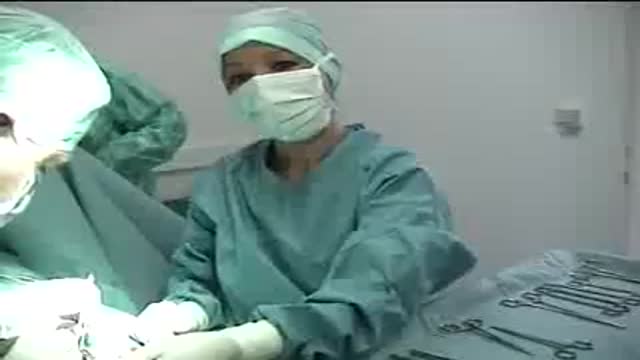
What it is
Circumcision removes the foreskin covering the head of the penis. In adults it is usually done for medical reasons; in babies and children it may be medical or cultural/religious, performed through appropriate services.
Why it is done
Medical indications include a tight, scarred foreskin (phimosis) that does not respond to steroid creams (often due to a skin condition called lichen sclerosus/BXO), recurrent infections under the foreskin, recurrent tearing, and paraphimosis (foreskin trapped behind the head).
How to prepare
Assessment confirms the diagnosis and excludes issues such as buried penis or hypospadias in children (where the foreskin may be needed for repair). Surgery is usually under general anaesthetic in children and local or general in adults, as a day case.
What happens during the procedure
After anaesthetic, the foreskin is removed with a cut just behind the head of the penis, bleeding points are sealed, and the skin edges are closed with dissolving stitches. The glans is left exposed. Surgery takes about 30 minutes.
Afterwards — recovery & results
The penis is swollen and bruised for one to two weeks, with sensitivity of the newly exposed head that settles over weeks. Keep the area clean, wear loose clothing, and avoid sex and masturbation for about four to six weeks in adults until fully healed. Stitches dissolve on their own.
Risks & considerations
Risks include bleeding, infection, needing a revision for uneven skin removal, altered sensation, narrowing of the urine opening (meatal stenosis, mainly a childhood issue), and anaesthetic risks. Outcomes for medical indications are generally very good.
Watch: Circumcision videos
Real procedure videos from the MedicalVideos.com library. Some clinical footage is graphic — that is the nature of a medical video library.
Frequently asked questions
Are there alternatives for a tight foreskin?
In children, time and steroid cream resolve many cases; gentle stretching techniques and foreskin-preserving operations (preputioplasty) suit selected cases. Your surgeon will discuss what fits the cause.
Does circumcision affect sensitivity permanently?
Studies are mixed; most men report no significant long-term change in sexual function. Short-term hypersensitivity of the exposed head is normal and settles.
Related procedures — Urology Procedures & Tests
Browse the C section of the A–Z list or return to the Procedures & Tests hub.