
- Physical Examination
- Surgical Examination
- Ophthalmology
- Clinical Skills
- Orthopedics
- Surgery Videos
- Laparoscopy
- Pediatrics
- Funny Videos
- Cardiothoracic Surgery
- Nursing Videos
- Plastic Surgery
- Otorhinolaryngology
- Histology and Histopathology
- Neurosurgery
- Dermatology
- Pediatric Surgery
- Urology
- Dentistry
- Oncology and Cancers
- Anatomy Videos
- Health and Fitness
- Radiology
- Anaesthesia
- Physical Therapy
- Pharmacology
- Interventional Radiology
- Cardiology
- Endocrinology
- Gynecology
- Emergency Medicine
- Psychiatry and Psychology
- Childbirth Videos
- General Medical Videos
- Nephrology
- Physiology
- Diet and Food Health
- Diabetes Mellitus
- Neurology
- Women Health
- Osteoporosis
- Gastroenterology
- Pulmonology
- Hematology
- Rheumatology
- Toxicology
- Nuclear Medicine
- Infectious Diseases
- Vascular Disease
- Reproductive Health
- Burns and Wound Healing
- Kidney Zone Podcast
- Other
Ear grommet insertion (myringotomy with tubes): What to Expect & Recovery
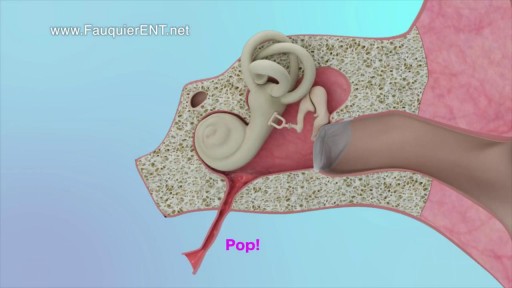
Grommets are tiny tubes placed in the eardrum to ventilate the middle ear when glue ear persists, restoring hearing in children (and occasionally adults). It is a 10 to 20 minute day-case procedure — and recovery is really about the months after: keeping water out while the tube works, until it falls out by itself in 6 to 12 months.
Before surgery: how to prepare
- A hearing test (audiogram) before surgery documents the loss and provides the baseline against which improvement is judged — attend it with your child.
- Follow fasting instructions for the general anaesthetic; bring a comfort item for a child, and plan a quiet rest of the day.
- Ask about water precautions in advance so you are ready: most teams advise keeping ears dry (ear plugs or a headband for baths and swimming) while grommets are in.
- Tell the team about any current ear infection or discharge — it can occasionally change the plan on the day.
The day of surgery
Under a brief general anaesthetic, the surgeon looks through a microscope, makes a tiny cut in the eardrum, suctions out the glue-like fluid, and inserts the grommet (a tube the size of a grain of rice) into the cut. It takes 10 to 20 minutes. Your child wakes in recovery and, once eating and comfortable, goes home the same day — often with hearing noticeably clearer straight away.
In hospital
Recovery timeline
Every recovery is individual, but most follow this general arc:
Warning signs: when to get help
- Persistent ear discharge, especially smelly or lasting more than a few days (infection — needs drops prescribed promptly)
- Ear pain that worsens or a fever
- Hearing dropping again after initial improvement (possible blocked or extruded tube, or fluid returning)
- Dizziness
- Discharge continuing after the tube has fallen out (possible persistent eardrum hole — needs review)
Related topics
Watch: real operation videos
From the MedicalVideos library. Some surgical videos are graphic and intended for education.
Frequently asked questions
Can my child swim with grommets?
Guidance varies: many teams allow surface swimming with ear plugs or a neoprene headband, and advise against diving, jumping in and underwater swimming, which force water through the tube. Bath water and hair washing need similar care. Follow your own team's written advice — it is based on the tube type used.
What happens when the grommet falls out?
Usually nothing needs doing: the tube works its way out into the ear canal over months and the eardrum heals shut behind it. It is often found in earwax or noticed at a routine check. If glue ear and hearing loss return afterwards, the team will discuss options, including a further set.
Medically reviewed by Dr. Mohamed Ibrahim, Assistant Professor of Medicine, Transplant Nephrology, University of Maryland School of Medicine. Last reviewed: 12 November 2026.