
- Physical Examination
- Surgical Examination
- Ophthalmology
- Clinical Skills
- Orthopedics
- Surgery Videos
- Laparoscopy
- Pediatrics
- Funny Videos
- Cardiothoracic Surgery
- Nursing Videos
- Plastic Surgery
- Otorhinolaryngology
- Histology and Histopathology
- Neurosurgery
- Dermatology
- Pediatric Surgery
- Urology
- Dentistry
- Oncology and Cancers
- Anatomy Videos
- Health and Fitness
- Radiology
- Anaesthesia
- Physical Therapy
- Pharmacology
- Interventional Radiology
- Cardiology
- Endocrinology
- Gynecology
- Emergency Medicine
- Psychiatry and Psychology
- Childbirth Videos
- General Medical Videos
- Nephrology
- Physiology
- Diet and Food Health
- Diabetes Mellitus
- Neurology
- Women Health
- Osteoporosis
- Gastroenterology
- Pulmonology
- Hematology
- Rheumatology
- Toxicology
- Nuclear Medicine
- Infectious Diseases
- Vascular Disease
- Reproductive Health
- Burns and Wound Healing
- Kidney Zone Podcast
- Other
Knee arthroscopy and meniscectomy: What to Expect & Recovery
Keyhole knee surgery trims or repairs torn meniscus cartilage and treats other mechanical problems. A simple trim recovers in weeks; a meniscus repair — stitched rather than trimmed — needs protected weight-bearing and months of rehabilitation. Knowing which you had is essential.
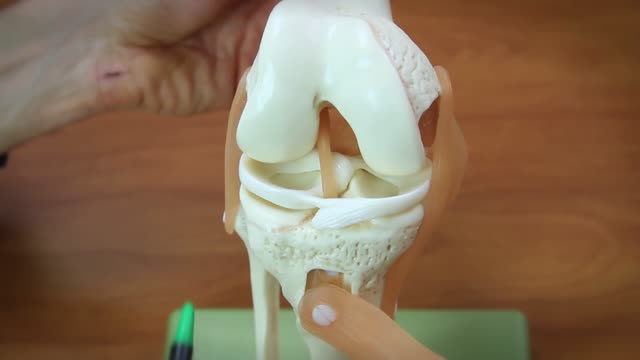
Before surgery: how to prepare
- Ask whether repair or trim is expected — though the final decision is often made when the surgeon sees the tear — and what each would mean for weight-bearing afterwards.
- Arrange a lift home and crutches; most people need them for a few days.
- Plan desk work within days for a trim, but a longer absence for physical work or a repair.
- Follow fasting instructions and review medicines as for other day surgery.
The day of surgery
Under a general or spinal anaesthetic, a camera and small instruments enter through two or three cuts around the kneecap. Torn meniscus is trimmed to a stable edge or stitched back together; loose fragments are removed and other findings treated as planned. You wake with the knee bandaged, often with a cold pack applied.
In hospital
Recovery timeline
Every recovery is individual, but most follow this general arc:
Warning signs: when to get help
- The knee becoming hot, red, severely painful or swollen, or fever (possible joint infection — urgent review)
- Calf pain or swelling
- Wounds leaking or opening
- The knee locking so it cannot straighten, or repeatedly giving way
- Swelling that suddenly increases after it had been settling
Related topics
Watch: real operation videos
From the MedicalVideos library. Some surgical videos are graphic and intended for education.
Frequently asked questions
Trim or repair — why does it change recovery so much?
A trim removes torn tissue and leaves nothing that needs to knit, so loading can start straight away and recovery is measured in weeks. A repair stitches living tissue that must heal to the bone-side blood supply — protected for about 6 weeks and rehabilitated over months. The repair preserves cartilage and lowers later arthritis risk, which is why surgeons repair whenever the tear pattern allows.
When can I drive after a knee arthroscopy?
Typically at about 1 to 3 weeks after a simple arthroscopy, once you can bend the knee comfortably, bear weight and perform an emergency stop — sooner if the left knee was operated on and you drive an automatic. A repair takes longer. Confirm with your team and insurer.
Medically reviewed by Dr. Mohamed Ibrahim, Assistant Professor of Medicine, Transplant Nephrology, University of Maryland School of Medicine. Last reviewed: 12 November 2026.