
- Physical Examination
- Surgical Examination
- Ophthalmology
- Clinical Skills
- Orthopedics
- Surgery Videos
- Laparoscopy
- Pediatrics
- Funny Videos
- Cardiothoracic Surgery
- Nursing Videos
- Plastic Surgery
- Otorhinolaryngology
- Histology and Histopathology
- Neurosurgery
- Dermatology
- Pediatric Surgery
- Urology
- Dentistry
- Oncology and Cancers
- Anatomy Videos
- Health and Fitness
- Radiology
- Anaesthesia
- Physical Therapy
- Pharmacology
- Interventional Radiology
- Cardiology
- Endocrinology
- Gynecology
- Emergency Medicine
- Psychiatry and Psychology
- Childbirth Videos
- General Medical Videos
- Nephrology
- Physiology
- Diet and Food Health
- Diabetes Mellitus
- Neurology
- Women Health
- Osteoporosis
- Gastroenterology
- Pulmonology
- Hematology
- Rheumatology
- Toxicology
- Nuclear Medicine
- Infectious Diseases
- Vascular Disease
- Reproductive Health
- Burns and Wound Healing
- Kidney Zone Podcast
- Other
Knee arthroscopy and meniscectomy
Category: Bone, Joint & Spine Procedures · All bone, joint & spine procedures
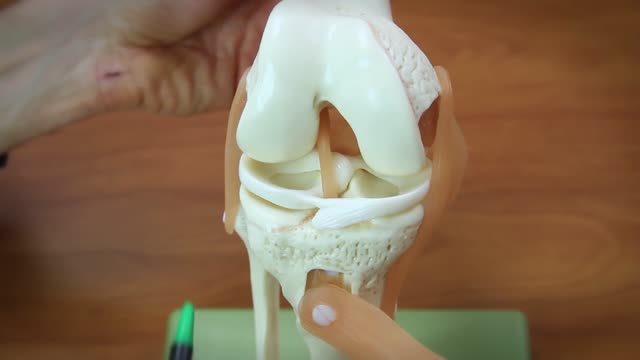
What it is
Knee arthroscopy is keyhole surgery in which a camera and small instruments enter the knee through two or three tiny cuts. A partial meniscectomy trims away a torn piece of the meniscus (the cartilage shock absorber); other procedures include removing loose bodies and smoothing damaged cartilage.
Why it is done
It is used mainly for mechanical symptoms — locking, catching, giving way — from a torn meniscus or loose fragment. For degenerative (wear-and-tear) meniscus tears without mechanical block, evidence favours physiotherapy first in many cases, which your surgeon will discuss.
How to prepare
Day-case surgery with pre-assessment and fasting. Tell the team about blood thinners and any knee skin problems. Plan crutches for the first days if advised.
What happens during the procedure
Usually under general anaesthetic, the camera inspects all compartments of the knee; torn unstable meniscus is trimmed to a stable rim or occasionally stitched (repair) in suitable patients. Surgery takes 20 to 40 minutes.
Afterwards — recovery & results
Most people walk the same day, sometimes with crutches briefly. Swelling settles over days to a few weeks; exercises restore movement and thigh strength. Desk work often resumes within days; physical work and sport take longer, especially after a meniscus repair, which needs protected weight-bearing.
Risks & considerations
Risks include infection, bleeding into the joint, blood clots (uncommon), stiffness, ongoing pain, and further meniscus problems. Removing meniscus tissue slightly raises long-term arthritis risk in that knee, one reason repair is preferred when feasible.
Watch: Knee arthroscopy and meniscectomy videos
Real procedure videos from the MedicalVideos.com library. Some clinical footage is graphic — that is the nature of a medical video library.
Related guides on MedicalVideos.com
Frequently asked questions
Will my knee feel normal afterwards?
Many people with a true mechanical tear improve substantially. If arthritis is also present, some ache may persist, which the surgeon will discuss before operating.
Trim or repair — what's the difference?
Trimming removes the torn part and allows quick recovery. Repair stitches the tear to heal, needing slower rehabilitation, but preserves the meniscus for the long term. Suitability depends on tear pattern and blood supply.
Related procedures — Bone, Joint & Spine Procedures
Browse the K section of the A–Z list or return to the Procedures & Tests hub.