
- Physical Examination
- Surgical Examination
- Ophthalmology
- Clinical Skills
- Orthopedics
- Surgery Videos
- Laparoscopy
- Pediatrics
- Funny Videos
- Cardiothoracic Surgery
- Nursing Videos
- Plastic Surgery
- Otorhinolaryngology
- Histology and Histopathology
- Neurosurgery
- Dermatology
- Pediatric Surgery
- Urology
- Dentistry
- Oncology and Cancers
- Anatomy Videos
- Health and Fitness
- Radiology
- Anaesthesia
- Physical Therapy
- Pharmacology
- Interventional Radiology
- Cardiology
- Endocrinology
- Gynecology
- Emergency Medicine
- Psychiatry and Psychology
- Childbirth Videos
- General Medical Videos
- Nephrology
- Physiology
- Diet and Food Health
- Diabetes Mellitus
- Neurology
- Women Health
- Osteoporosis
- Gastroenterology
- Pulmonology
- Hematology
- Rheumatology
- Toxicology
- Nuclear Medicine
- Infectious Diseases
- Vascular Disease
- Reproductive Health
- Burns and Wound Healing
- Kidney Zone Podcast
- Other
Pilonidal sinus surgery: What to Expect & Recovery
Pilonidal surgery removes a sinus tract in the cleft between the buttocks. The operation itself is usually a day case — the real work of recovery is wound care: dressings, cleanliness and patience while the area heals over weeks to months.
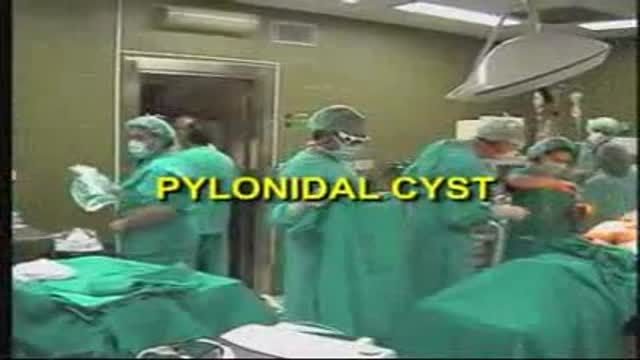
Before surgery: how to prepare
- Ask which technique is planned and what wound care it involves — an open wound means regular dressing changes, sometimes by a community nurse.
- Arrange time off: sitting can be uncomfortable, and desk work may need cushions and breaks in the first weeks.
- Hair removal around the area matters for healing and recurrence — follow the team's advice on shaving or other hair control before and after.
- Stock dressings supplies if you will be changing them yourself, and loose cotton underwear.
The day of surgery
Under a general (or occasionally spinal) anaesthetic, the surgeon removes the sinus and any infected tissue. Depending on the technique, the wound is closed with stitches, closed with a flap, or left open to heal from the base upwards. You wake with a dressing in place and advice about sitting and lying positions.
In hospital
Recovery timeline
Every recovery is individual, but most follow this general arc:
Warning signs: when to get help
- Increasing pain, swelling or redness around the wound
- Pus, an offensive smell, or the wound opening up
- Fever or feeling unwell
- Bleeding that does not settle with pressure
- The wound stopping shrinking or a new lump appearing
Related topics
Watch: real operation videos
From the MedicalVideos library. Some surgical videos are graphic and intended for education.
Frequently asked questions
Why is my wound left open?
In this area, closing an infected wound under tension often fails. Leaving it open to heal gradually from the base — with dressings — gives a more reliable result for many people, at the cost of a longer healing time. Your surgeon will explain why your technique was chosen.
How do I stop it coming back?
Keep the cleft clean and dry, control hair growth in the area as advised (this is the single most useful step), avoid prolonged sitting where you can, and seek early review for any new lump, pain or discharge.
Medically reviewed by Dr. Mohamed Ibrahim, Assistant Professor of Medicine, Transplant Nephrology, University of Maryland School of Medicine. Last reviewed: 12 November 2026.
← More Abdominal & Digestive Surgery · All surgery recovery guides