
- Physical Examination
- Surgical Examination
- Ophthalmology
- Clinical Skills
- Orthopedics
- Surgery Videos
- Laparoscopy
- Pediatrics
- Funny Videos
- Cardiothoracic Surgery
- Nursing Videos
- Plastic Surgery
- Otorhinolaryngology
- Histology and Histopathology
- Neurosurgery
- Dermatology
- Pediatric Surgery
- Urology
- Dentistry
- Oncology and Cancers
- Anatomy Videos
- Health and Fitness
- Radiology
- Anaesthesia
- Physical Therapy
- Pharmacology
- Interventional Radiology
- Cardiology
- Endocrinology
- Gynecology
- Emergency Medicine
- Psychiatry and Psychology
- Childbirth Videos
- General Medical Videos
- Nephrology
- Physiology
- Diet and Food Health
- Diabetes Mellitus
- Neurology
- Women Health
- Osteoporosis
- Gastroenterology
- Pulmonology
- Hematology
- Rheumatology
- Toxicology
- Nuclear Medicine
- Infectious Diseases
- Vascular Disease
- Reproductive Health
- Burns and Wound Healing
- Kidney Zone Podcast
- Other
Pilonidal sinus surgery
Category: General & Abdominal Surgery · All general & abdominal surgery
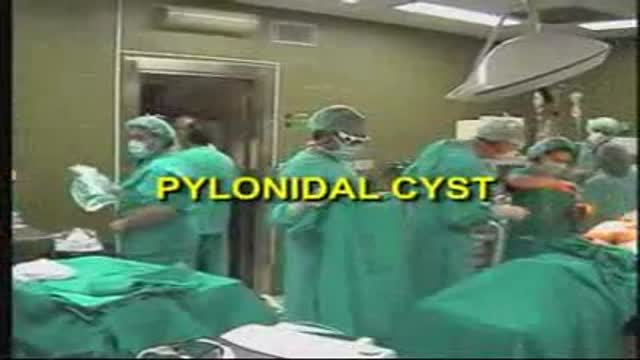
What it is
Pilonidal surgery treats a pilonidal sinus — a small tunnel or pit in the skin at the top of the buttock crease that traps hair and debris and repeatedly becomes infected or forms abscesses.
Why it is done
Surgery is advised for recurrent infections, persistent discharge or a sinus that keeps troubling you despite simpler measures. An acute abscess may first need urgent drainage.
How to prepare
You will have a pre-assessment and fast before a general anaesthetic procedure. Hair removal around the area may be advised. Plan for time sitting less and help at home, because wounds in this area can heal slowly.
What happens during the procedure
Under general (or sometimes spinal/local) anaesthetic, the sinus tract is removed. Techniques vary: the wound may be closed with stitches, left open to heal from the base, or closed with a skin flap off the midline. Your surgeon will explain which suits your case.
Afterwards — recovery & results
Wound care is the main task afterwards: regular dressing changes or packing if the wound is open, keeping the area clean and hair-free. Healing takes weeks to a few months depending on technique. You will be shown what is normal and what needs review.
Risks & considerations
Risks include infection, bleeding, slow healing or wound breakdown, and recurrence — pilonidal disease can come back even after good surgery, which is why aftercare and hair control matter. Your team will support you through dressings clinics.
Watch: Pilonidal sinus surgery videos
Real procedure videos from the MedicalVideos.com library. Some clinical footage is graphic — that is the nature of a medical video library.
Frequently asked questions
Why does this keep coming back?
Hair and friction in the deep crease drive the condition, and the area is under constant pressure when sitting. Complete removal plus aftercare reduces but cannot eliminate recurrence.
Can I sit down after surgery?
Short periods are fine, but prolonged sitting on the wound slows healing early on. Your team will advise based on your procedure.
Related procedures — General & Abdominal Surgery
Browse the P section of the A–Z list or return to the Procedures & Tests hub.