
- Physical Examination
- Surgical Examination
- Ophthalmology
- Clinical Skills
- Orthopedics
- Surgery Videos
- Laparoscopy
- Pediatrics
- Funny Videos
- Cardiothoracic Surgery
- Nursing Videos
- Plastic Surgery
- Otorhinolaryngology
- Histology and Histopathology
- Neurosurgery
- Dermatology
- Pediatric Surgery
- Urology
- Dentistry
- Oncology and Cancers
- Anatomy Videos
- Health and Fitness
- Radiology
- Anaesthesia
- Physical Therapy
- Pharmacology
- Interventional Radiology
- Cardiology
- Endocrinology
- Gynecology
- Emergency Medicine
- Psychiatry and Psychology
- Childbirth Videos
- General Medical Videos
- Nephrology
- Physiology
- Diet and Food Health
- Diabetes Mellitus
- Neurology
- Women Health
- Osteoporosis
- Gastroenterology
- Pulmonology
- Hematology
- Rheumatology
- Toxicology
- Nuclear Medicine
- Infectious Diseases
- Vascular Disease
- Reproductive Health
- Burns and Wound Healing
- Kidney Zone Podcast
- Other
Dizziness
Category: Brain & Nerves · All brain & nerves symptoms
What it can feel like
Dizziness is a umbrella word people use for several different feelings: light-headedness (about to faint), unsteadiness, a woozy floating feeling, or true vertigo (the room spinning). Sorting out which one you mean is the single most useful step, because each has its own causes and tests.
Possible causes
A symptom can have many causes, and most are not serious. The lists below group conditions this symptom can be associated with — common causes first. They are possibilities to discuss with a clinician, not a diagnosis.
Common causes
Dizziness can be associated with standing up quickly (blood pressure lag), dehydration, anaemia, low blood sugar, anxiety and panic, viral illnesses, and many medicines — blood pressure tablets are frequent culprits.
Other possible causes
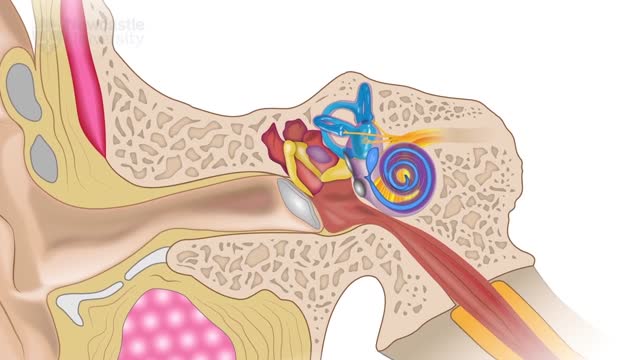
Persistent or severe dizziness can be associated with inner-ear conditions, heart rhythm problems, significant anaemia, and less commonly with stroke or other brain conditions — particularly when it arrives with weakness, speech change or double vision.
Red flags — when to seek help promptly
- Dizziness with weakness, slurred speech, facial droop or double vision — emergency (possible stroke)
- Dizziness with chest pain, palpitations or fainting
- Sudden severe dizziness with vomiting and inability to walk steadily
- Dizziness with a severe headache or after a head injury
- Dizziness that is persistent and unexplained over days
What a clinician may do
A clinician will ask you to describe the feeling precisely, check blood pressure lying and standing, examine eyes, ears and balance, and review medicines. Blood tests (count, sugar, salts), an ECG and ear manoeuvres follow the pattern; brain imaging is reserved for suspicious features.
Watch: related videos
Examination and clinical videos from the MedicalVideos.com library relevant to this symptom. Some clinical footage is graphic — that is the nature of a medical video library.
Related guides on MedicalVideos.com
Frequently asked questions
Why does the doctor ask what I mean by dizzy?
Because patients use one word for at least four different sensations with different causes. Spinning points to the inner ear; light-headedness on standing points to blood pressure; unsteadiness points to balance systems. Your description directs the entire work-up.
Can my blood pressure tablets make me dizzy?
Yes — especially on standing, in hot weather or when dehydrated, and combinations add up. Do not stop them on your own; note when the dizziness strikes and tell your clinician, who can adjust dose or timing.
Related symptoms — Brain & Nerves
Browse the D section of the A–Z list or return to the Symptoms A–Z hub.