
- Physical Examination
- Surgical Examination
- Ophthalmology
- Clinical Skills
- Orthopedics
- Surgery Videos
- Laparoscopy
- Pediatrics
- Funny Videos
- Cardiothoracic Surgery
- Nursing Videos
- Plastic Surgery
- Otorhinolaryngology
- Histology and Histopathology
- Neurosurgery
- Dermatology
- Pediatric Surgery
- Urology
- Dentistry
- Oncology and Cancers
- Anatomy Videos
- Health and Fitness
- Radiology
- Anaesthesia
- Physical Therapy
- Pharmacology
- Interventional Radiology
- Cardiology
- Endocrinology
- Gynecology
- Emergency Medicine
- Psychiatry and Psychology
- Childbirth Videos
- General Medical Videos
- Nephrology
- Physiology
- Diet and Food Health
- Diabetes Mellitus
- Neurology
- Women Health
- Osteoporosis
- Gastroenterology
- Pulmonology
- Hematology
- Rheumatology
- Toxicology
- Nuclear Medicine
- Infectious Diseases
- Vascular Disease
- Reproductive Health
- Burns and Wound Healing
- Kidney Zone Podcast
- Other
Brain & Nerves
Symptoms of the brain, nerves and balance: dizziness and vertigo, fainting, numbness and tingling, tremor, muscle weakness, confusion, memory problems and seizures. Neurological symptoms can be minor or the first sign of something serious — these pages are careful about which patterns need emergency help.
This page lists all 16 of them in the guide. Open any symptom for its possible causes, red-flag list and frequently asked questions.
 Burning feetBrain & Nerves
 Clumsiness and dropping thingsBrain & Nerves
 ConfusionBrain & Nerves
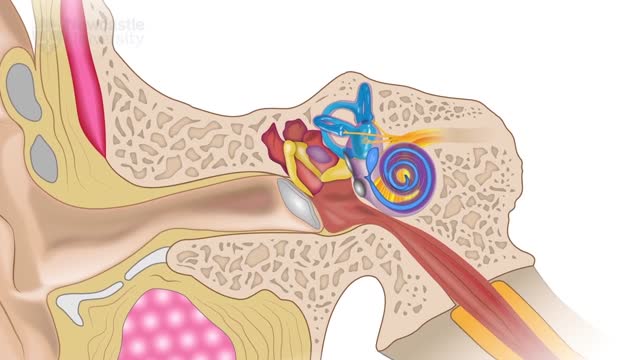 DizzinessBrain & Nerves
 FaintingBrain & Nerves
 Memory problemsBrain & Nerves
 Muscle twitchingBrain & Nerves
 Muscle weaknessBrain & NervesNumbnessBrain & Nerves
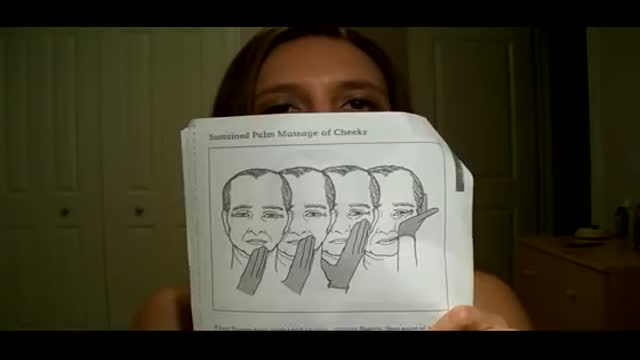 One-sided facial weaknessBrain & Nerves
 Pins and needlesBrain & Nerves
 Problems speaking or finding wordsBrain & Nerves
 Restless legsBrain & Nerves
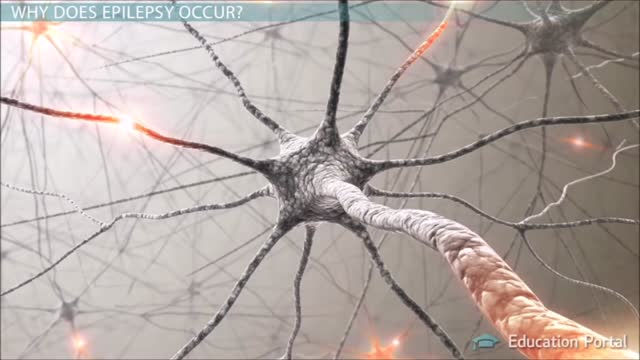 SeizuresBrain & Nerves
 TremorBrain & Nerves
 VertigoBrain & Nerves
| Symptom | Category | What it can feel like |
|---|---|---|
| Burning feet | Brain & Nerves | Burning feet means a hot, burning or prickling pain in the soles, often worse at night and in bed, sometimes with tingling or numbness. It is a classic small-nerve-fibre… |
| Clumsiness and dropping things | Brain & Nerves | Clumsiness means losing your usual dexterity — dropping cups, fumbling buttons and keys, handwriting deteriorating, tripping over your own feet. Everyone has clumsy… |
| Confusion | Brain & Nerves | Confusion means the mind is not thinking clearly — disorientation, poor attention, muddled conversation, sometimes agitation or unusual drowsiness. When it comes on over… |
| Dizziness | Brain & Nerves | Dizziness is a umbrella word people use for several different feelings: light-headedness (about to faint), unsteadiness, a woozy floating feeling, or true vertigo (the… |
| Fainting | Brain & Nerves | Fainting (syncope) is a brief loss of consciousness caused by a temporary drop in blood flow to the brain — you go limp, fall, and recover quickly and completely… |
| Memory problems | Brain & Nerves | Memory problems mean repeatedly forgetting recent conversations, appointments and intentions, misplacing things, or repeating questions — beyond the normal lapses… |
| Muscle twitching | Brain & Nerves | Muscle twitching (fasciculations) is the visible flickering of small muscle bundles under the skin — most people know it as an eyelid twitch that comes with tiredness… |
| Muscle weakness | Brain & Nerves | Muscle weakness means a real loss of power — difficulty rising from a chair, climbing stairs, lifting the arms to wash hair, a foot that drags — as opposed to feeling… |
| Numbness | Brain & Nerves | Numbness means reduced or absent feeling in an area of skin — as if it has been injected by the dentist, or is wrapped in thick material. Where the numbness sits maps… |
| One-sided facial weakness | Brain & Nerves | One-sided facial weakness means one side of the face droops — the smile is uneven, the eye may not close fully, and sounds may seem loud in that ear. It has two big… |
| Pins and needles | Brain & Nerves | Pins and needles is the familiar prickling, tingling or fizzing sensation, most often in the hands and feet. Briefly, after pressure on a nerve ('my foot's asleep'), it… |
| Problems speaking or finding words | Brain & Nerves | Problems speaking or finding words range from the ordinary tip-of-the-tongue moment to sudden loss of language (aphasia) — being unable to get words out, using the wrong… |
| Restless legs | Brain & Nerves | Restless legs means an irresistible urge to move the legs, usually with crawling, creeping or aching sensations deep inside them, arriving in the evening and at rest… |
| Seizures | Brain & Nerves | A seizure is a burst of abnormal electrical activity in the brain, producing episodes such as convulsions with stiffening and jerking, blank staring spells, sudden… |
| Tremor | Brain & Nerves | A tremor is an involuntary, rhythmic shaking of a body part — most often the hands, sometimes the head, voice or legs. Tremors are classified by when they appear: at… |
| Vertigo | Brain & Nerves | Vertigo is the false sensation that you or the room is spinning or tilting. Brief spinning triggered by rolling over in bed or looking up is the signature of BPPV —… |
Please note: This page is educational information about a symptom. A symptom alone cannot diagnose any condition, and the causes listed here are possibilities, not a diagnosis. If you are worried about a symptom — especially one that is new, severe, getting worse or not going away — please see your own clinician, who can examine you and arrange tests. In an emergency, call your local emergency number.