
- Physical Examination
- Surgical Examination
- Ophthalmology
- Clinical Skills
- Orthopedics
- Surgery Videos
- Laparoscopy
- Pediatrics
- Funny Videos
- Cardiothoracic Surgery
- Nursing Videos
- Plastic Surgery
- Otorhinolaryngology
- Histology and Histopathology
- Neurosurgery
- Dermatology
- Pediatric Surgery
- Urology
- Dentistry
- Oncology and Cancers
- Anatomy Videos
- Health and Fitness
- Radiology
- Anaesthesia
- Physical Therapy
- Pharmacology
- Interventional Radiology
- Cardiology
- Endocrinology
- Gynecology
- Emergency Medicine
- Psychiatry and Psychology
- Childbirth Videos
- General Medical Videos
- Nephrology
- Physiology
- Diet and Food Health
- Diabetes Mellitus
- Neurology
- Women Health
- Osteoporosis
- Gastroenterology
- Pulmonology
- Hematology
- Rheumatology
- Toxicology
- Nuclear Medicine
- Infectious Diseases
- Vascular Disease
- Reproductive Health
- Burns and Wound Healing
- Kidney Zone Podcast
- Other
Leaking urine (incontinence)
Category: Urinary & Kidneys · All urinary symptoms
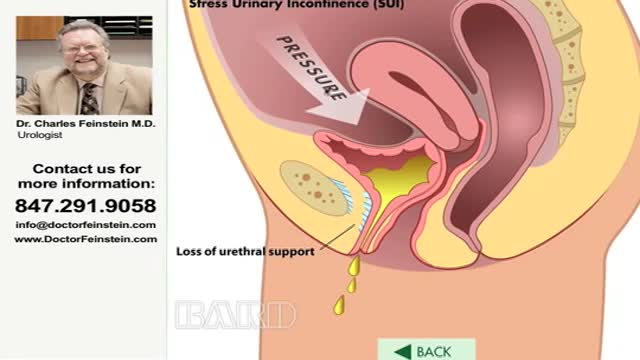
What it can feel like
Leaking urine means urine escapes when you did not intend it — with coughing, laughing or exercise (stress leakage), after a sudden desperate urge (urge leakage), or a mix of both. It is common, especially after childbirth and with age, and in most cases it can be improved substantially once the type is identified.
Possible causes
A symptom can have many causes, and most are not serious. The lists below group conditions this symptom can be associated with — common causes first. They are possibilities to discuss with a clinician, not a diagnosis.
Common causes
Leaking can be associated with weakened pelvic floor muscles after childbirth or menopause, being overweight, chronic cough, constipation, caffeine, and prostate surgery in men.
Other possible causes
Leaking can also be associated with an overactive bladder, untreated prostate enlargement causing overflow, urinary infection, and neurological conditions affecting bladder control.
Red flags — when to seek help promptly
- Leaking that starts suddenly with leg weakness or saddle numbness — urgent
- Leaking with blood in the urine or repeated infections
- Leaking after prostate or pelvic surgery that is not improving
- Constant dribbling day and night in a man, suggesting overflow
What a clinician may do
A clinician will identify the type from your history, test urine, examine the pelvic floor or prostate, and often ask for a bladder diary. Pelvic floor physiotherapy is first-line for stress leakage; bladder training and medicines help urge leakage; scans and pressure studies are used when the picture is unclear.
Watch: related videos
Examination and clinical videos from the MedicalVideos.com library relevant to this symptom. Some clinical footage is graphic — that is the nature of a medical video library.
Related guides on MedicalVideos.com
Frequently asked questions
Is leaking just part of getting older or having babies?
It is common in those situations, but it is not something to simply accept — pelvic floor training alone substantially improves stress leakage for many women, and men's post-prostate-surgery leakage also has specific rehabilitation. Assessment starts with type, because treatments differ.
Why does the clinician ask about my bowels?
A full rectum presses on the bladder and worsens both urgency and leakage, and straining weakens the pelvic floor further. Treating constipation is a standard, surprisingly effective part of continence care.
Related symptoms — Urinary & Kidneys
Browse the L section of the A–Z list or return to the Symptoms A–Z hub.