
- Physical Examination
- Surgical Examination
- Ophthalmology
- Clinical Skills
- Orthopedics
- Surgery Videos
- Laparoscopy
- Pediatrics
- Funny Videos
- Cardiothoracic Surgery
- Nursing Videos
- Plastic Surgery
- Otorhinolaryngology
- Histology and Histopathology
- Neurosurgery
- Dermatology
- Pediatric Surgery
- Urology
- Dentistry
- Oncology and Cancers
- Anatomy Videos
- Health and Fitness
- Radiology
- Anaesthesia
- Physical Therapy
- Pharmacology
- Interventional Radiology
- Cardiology
- Endocrinology
- Gynecology
- Emergency Medicine
- Psychiatry and Psychology
- Childbirth Videos
- General Medical Videos
- Nephrology
- Physiology
- Diet and Food Health
- Diabetes Mellitus
- Neurology
- Women Health
- Osteoporosis
- Gastroenterology
- Pulmonology
- Hematology
- Rheumatology
- Toxicology
- Nuclear Medicine
- Infectious Diseases
- Vascular Disease
- Reproductive Health
- Burns and Wound Healing
- Kidney Zone Podcast
- Other
Urodynamics study
Category: Urology Procedures & Tests · All urology procedures & tests
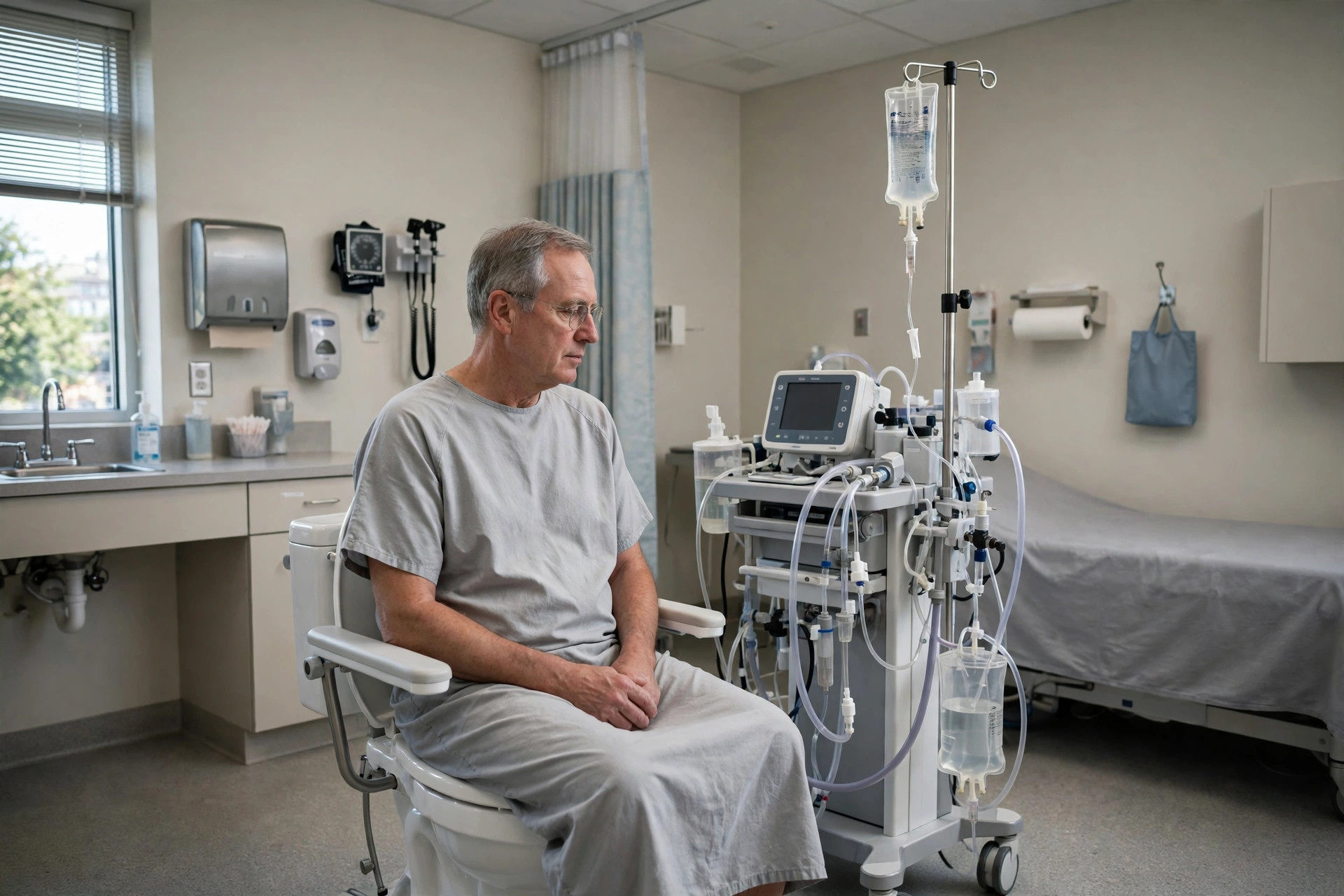
What it is
Urodynamics measures how the bladder and urine tube behave while filling and emptying, using thin pressure catheters (in the bladder and back passage) while fluid is infused at a controlled rate and you report sensations. It distinguishes problems of storage (overactivity) from problems of emptying (weak bladder muscle or obstruction).
Why it is done
It is used when lower urinary tract symptoms are complex, before some bladder or prostate operations, when previous treatment has failed, and in bladder problems from neurological disease.
How to prepare
You will give a urine sample on arrival — infection must be treated first. Arrive with a comfortably full bladder if asked for an initial free flow test. Tell the team about catheters, allergies and relevant medicines (some bladder medicines are paused). No fasting or anaesthetic is needed.
What happens during the procedure
You first pass urine into a flow meter privately. Then fine catheters are placed (numbing gel is used), the bladder is filled while pressures are recorded, and you report first sensation, urgency and any leakage with coughs or movement. At the end you pass urine with the catheters still in place to measure pressures during voiding. It takes about 30 to 45 minutes.
Afterwards — recovery & results
Most people resume normal activities immediately. Mild stinging when passing urine and a small amount of blood in the urine can occur for a day; drink extra fluids. Results are analysed and explained at a follow-up appointment, guiding treatment choices.
Risks & considerations
Risks are low: urinary infection (a short antibiotic course is sometimes given), discomfort, and brief bleeding. A small number of people cannot pass urine afterwards temporarily.
Frequently asked questions
Why isn't my flow test enough?
Flow rate alone cannot tell whether a weak flow is from prostate blockage or a weak bladder muscle — treatments differ completely, and urodynamics measures the pressures that separate them.
Is it embarrassing?
The team does these tests daily and keeps you covered and as private as possible; you can empty your bladder into a commode arrangement designed for dignity.
Related procedures — Urology Procedures & Tests
Browse the U section of the A–Z list or return to the Procedures & Tests hub.