
- Physical Examination
- Surgical Examination
- Ophthalmology
- Clinical Skills
- Orthopedics
- Surgery Videos
- Laparoscopy
- Pediatrics
- Funny Videos
- Cardiothoracic Surgery
- Nursing Videos
- Plastic Surgery
- Otorhinolaryngology
- Histology and Histopathology
- Neurosurgery
- Dermatology
- Pediatric Surgery
- Urology
- Dentistry
- Oncology and Cancers
- Anatomy Videos
- Health and Fitness
- Radiology
- Anaesthesia
- Physical Therapy
- Pharmacology
- Interventional Radiology
- Cardiology
- Endocrinology
- Gynecology
- Emergency Medicine
- Psychiatry and Psychology
- Childbirth Videos
- General Medical Videos
- Nephrology
- Physiology
- Diet and Food Health
- Diabetes Mellitus
- Neurology
- Women Health
- Osteoporosis
- Gastroenterology
- Pulmonology
- Hematology
- Rheumatology
- Toxicology
- Nuclear Medicine
- Infectious Diseases
- Vascular Disease
- Reproductive Health
- Burns and Wound Healing
- Kidney Zone Podcast
- Other
Hormone blood tests (thyroid, cortisol, reproductive)
Category: Biopsies, Lab & Pathology Tests · All biopsies, lab & pathology tests
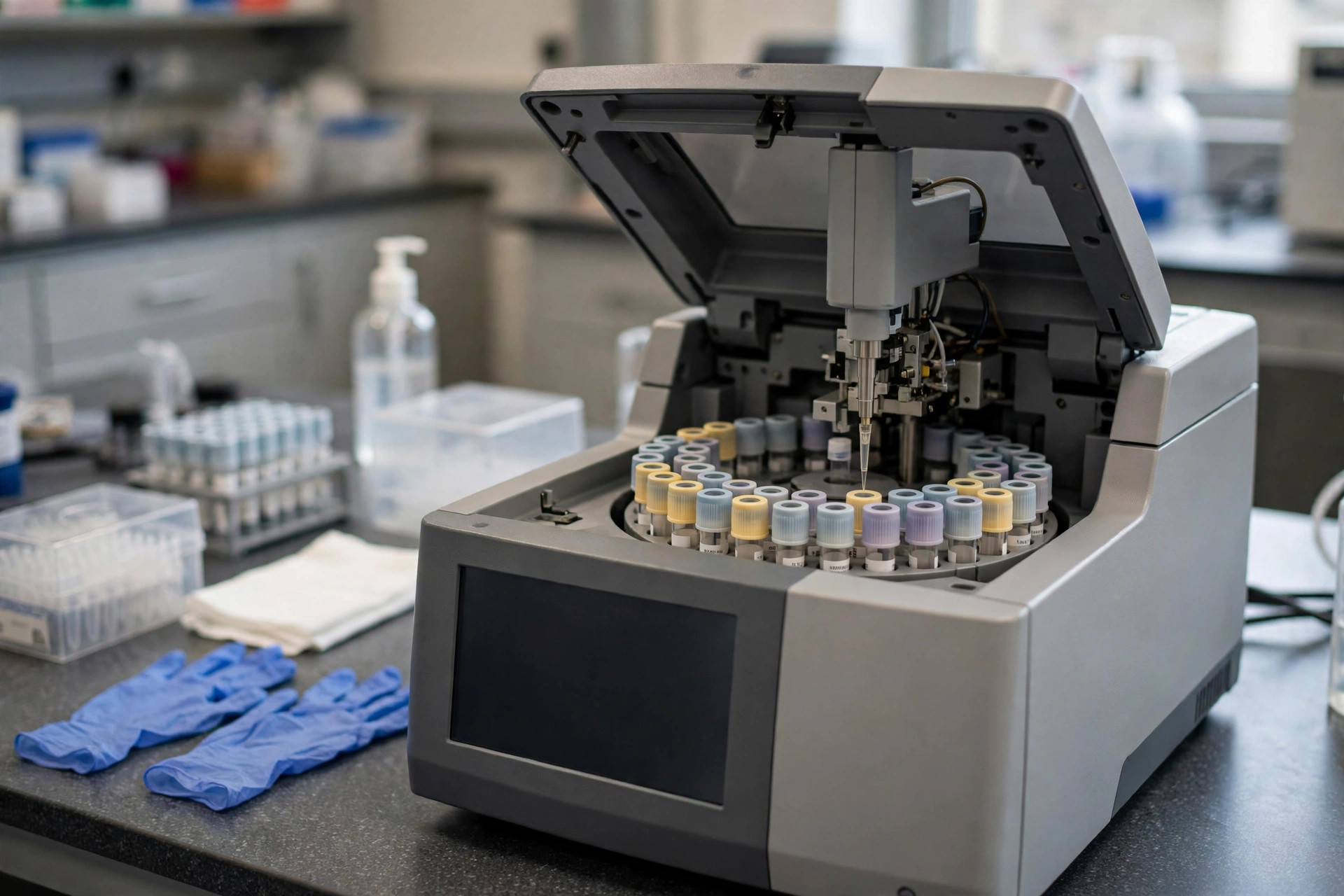
What it is
Hormone tests measure levels in blood (sometimes urine or saliva): thyroid hormones (TSH, free T4/T3), cortisol and adrenal tests, reproductive hormones (LH, FSH, oestradiol, progesterone, testosterone, prolactin), parathyroid hormone and vitamin D among others. Timing and context are critical to interpretation.
Why it is done
They investigate thyroid symptoms, fertility and menstrual problems, suspected adrenal or pituitary disease, abnormal hair growth, erectile and puberty problems, and monitor hormone replacement and suppression therapy.
How to prepare
Some hormones vary by time of day (cortisol is highest in the morning) and cycle day (reproductive hormones) — your request will specify timing. Certain medicines and supplements distort results — notably biotin (vitamin B7), which can falsely alter many hormone assays; tell the laboratory and your clinician what you take.
What happens during the procedure
The sampling is a standard blood draw; dynamic tests are different — for example a short Synacthen test stimulates the adrenals with an injection and repeats cortisol, and suppression tests (dexamethasone) check whether cortisol switches off appropriately. These take one to a few hours in a day unit.
Afterwards — recovery & results
Results return over days (dynamic test results with specialist interpretation). Single borderline values are often repeated before conclusions, because hormones pulse and vary. Your clinician will explain results against the reference ranges and your symptoms.
Risks & considerations
No risks beyond the blood draw (and, for dynamic tests, transient effects of the medicines used, explained beforehand). The commonest 'complication' is misinterpretation of a mistimed or biotin-affected sample — hence the preparation advice.
Related guides on MedicalVideos.com
Frequently asked questions
Why repeat a borderline thyroid result?
TSH fluctuates with illness, time of day and recovery from other conditions. Guidelines advise confirming subclinical abnormalities on a second sample before labelling or treating.
Can stress change my cortisol?
Yes — cortisol responds to illness, pain and stress, which is why borderline results need formal dynamic testing rather than a single random level.
Related procedures — Biopsies, Lab & Pathology Tests
Browse the H section of the A–Z list or return to the Procedures & Tests hub.