
- Physical Examination
- Surgical Examination
- Ophthalmology
- Clinical Skills
- Orthopedics
- Surgery Videos
- Laparoscopy
- Pediatrics
- Funny Videos
- Cardiothoracic Surgery
- Nursing Videos
- Plastic Surgery
- Otorhinolaryngology
- Histology and Histopathology
- Neurosurgery
- Dermatology
- Pediatric Surgery
- Urology
- Dentistry
- Oncology and Cancers
- Anatomy Videos
- Health and Fitness
- Radiology
- Anaesthesia
- Physical Therapy
- Pharmacology
- Interventional Radiology
- Cardiology
- Endocrinology
- Gynecology
- Emergency Medicine
- Psychiatry and Psychology
- Childbirth Videos
- General Medical Videos
- Nephrology
- Physiology
- Diet and Food Health
- Diabetes Mellitus
- Neurology
- Women Health
- Osteoporosis
- Gastroenterology
- Pulmonology
- Hematology
- Rheumatology
- Toxicology
- Nuclear Medicine
- Infectious Diseases
- Vascular Disease
- Reproductive Health
- Burns and Wound Healing
- Kidney Zone Podcast
- Other
Back pain
Category: Muscles, Bones & Joints · All muscles & joints symptoms
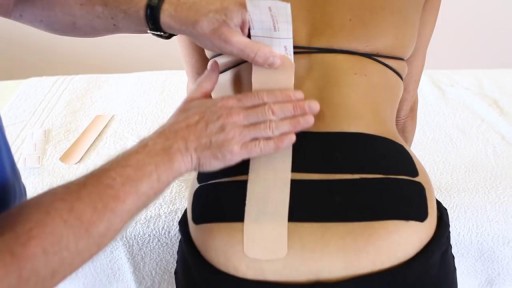
What it can feel like
Back pain is pain in the back — most often the lower back — ranging from a dull ache after gardening to pain that stops you standing straight. It is one of the commonest symptoms in adults, and in most cases it comes from the muscles, joints and discs of the spine rather than anything dangerous, settling over days to weeks.
Possible causes
A symptom can have many causes, and most are not serious. The lists below group conditions this symptom can be associated with — common causes first. They are possibilities to discuss with a clinician, not a diagnosis.
Common causes
Back pain can be associated with muscle strain, ligament sprain, poor lifting technique, prolonged sitting, disc bulges pressing on tissues nearby, and age-related wear of the spinal joints.
Other possible causes
Back pain can also be associated with fractures (especially with osteoporosis or injury), infection of the spine, inflammatory conditions such as ankylosing spondylitis, and, rarely, tumours or spread of cancer to the spine.
Red flags — when to seek help promptly
- Back pain with numbness around the bottom or between the legs, difficulty passing urine, or loss of bowel or bladder control — emergency
- Back pain after a significant fall or accident, or in someone with osteoporosis after a minor strain
- Back pain with fever, or in someone with a weakened immune system
- Back pain with unexplained weight loss, or in someone with a history of cancer
- Back pain that is constant, worsening at night and not eased by position
What a clinician may do
A clinician will ask about the pattern, leg symptoms, bladder and bowel function, and examine the spine, leg strength, reflexes and sensation. Most back pain needs no scan; imaging and blood tests are reserved for warning patterns or pain that fails to settle.
Watch: related videos
Examination and clinical videos from the MedicalVideos.com library relevant to this symptom. Some clinical footage is graphic — that is the nature of a medical video library.
Related guides on MedicalVideos.com
Frequently asked questions
Why don't I get an MRI for most back pain?
Scans of pain-free people show disc bulges and wear in most adults — they are normal ageing, like wrinkles. Because findings match symptoms poorly, scanning everyone delays recovery and invites unneeded procedures. Scans are used when warning signs appear or surgery is being planned.
Should I rest in bed?
No — bed rest weakens muscles and stiffens the spine, prolonging pain. Staying gently active, keeping walking, and returning to normal activities as tolerated (with pain relief as needed) produces better recoveries than rest.
Related symptoms — Muscles, Bones & Joints
Browse the B section of the A–Z list or return to the Symptoms A–Z hub.