
- Physical Examination
- Surgical Examination
- Ophthalmology
- Clinical Skills
- Orthopedics
- Surgery Videos
- Laparoscopy
- Pediatrics
- Funny Videos
- Cardiothoracic Surgery
- Nursing Videos
- Plastic Surgery
- Otorhinolaryngology
- Histology and Histopathology
- Neurosurgery
- Dermatology
- Pediatric Surgery
- Urology
- Dentistry
- Oncology and Cancers
- Anatomy Videos
- Health and Fitness
- Radiology
- Anaesthesia
- Physical Therapy
- Pharmacology
- Interventional Radiology
- Cardiology
- Endocrinology
- Gynecology
- Emergency Medicine
- Psychiatry and Psychology
- Childbirth Videos
- General Medical Videos
- Nephrology
- Physiology
- Diet and Food Health
- Diabetes Mellitus
- Neurology
- Women Health
- Osteoporosis
- Gastroenterology
- Pulmonology
- Hematology
- Rheumatology
- Toxicology
- Nuclear Medicine
- Infectious Diseases
- Vascular Disease
- Reproductive Health
- Burns and Wound Healing
- Kidney Zone Podcast
- Other
Gynecology
Gynecology videos: pelvic exams, Pap smears, IUD insertion, hysteroscopy and women's health procedures explained step by step. Free and educational.
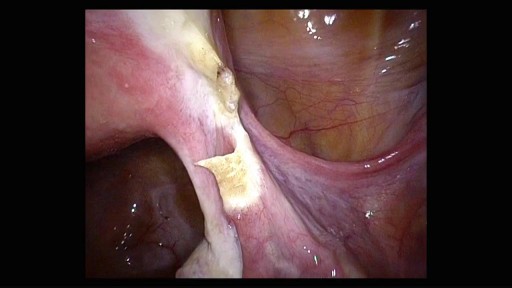

40 years old patient, Parity 3, wanted to have a sterilization. The surgery was perfomed laparoscopically with coagulation technique. This video is not edited and presented in full length.

When you’re trying to conceive a baby it is worth giving anything a go which you think will boost your chances. This includes considering that there may be better positions for getting pregnant. But it pays to bear in mind that the human race has been around for over 200,000 years and most of us were probably conceived without our ancestors investing too much thought into the mechanics. Science has proven that successful conception isn’t so much about sexual position as the frequency of sex between a fertile couple. Basically, if you want to fall pregnant, don’t use contraception and have frequent, active and enjoyable sex. Importantly, don’t stress too much about whether you’re doing it the right way. Women can, and do, conceive in any position. Nature has a way of making sure of that.
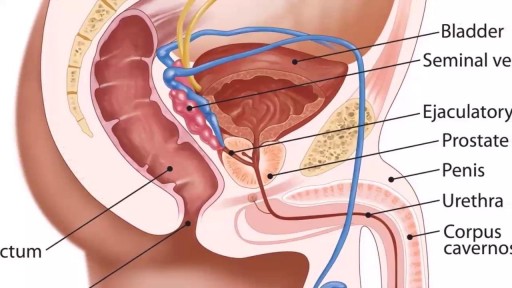
As more couples explore anal sex, understanding the risks, rewards, and proper strategy is important. Here's what you need to know about safety and more.

Pregnancy occurs when an egg is fertilized by a sperm, grows inside a woman's uterus (womb), and develops into a baby. In humans, this process takes about 264 days from the date of fertilization of the egg, but the obstetrician will date the pregnancy from the first day of the last menstrual period (280 days 40 weeks).

Pre labour signs Symptoms and Signs That Labor Is Near

This educational video examines the link researchers have found between oral HPV infection and certain throat cancers, and what is known about risk. General health information in clinical terms. Educational only — not medical advice.

Watch that video to know the Types of Female Genital Infection Yeast or Candidiasis, Trichomoniasis, Bacterial Vaginosis

Watch that video to know if it is safe to have intercourse during her period

Watch that video to know How to Get Pregnant with Twins
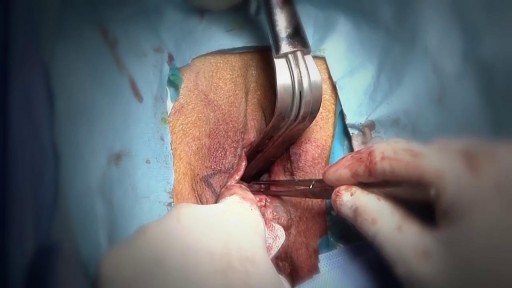
Watch that Female Genital Walls Tightening Plastic Surgery

Watch that video of a Woman Was Pregnant For 46 Years

This educational video reviews the medical hazards and risks associated with anal intercourse, including tissue injury and infection risk, and how those risks are reduced, in clinical terms. Intended for adult health education. Educational only — not medical advice.
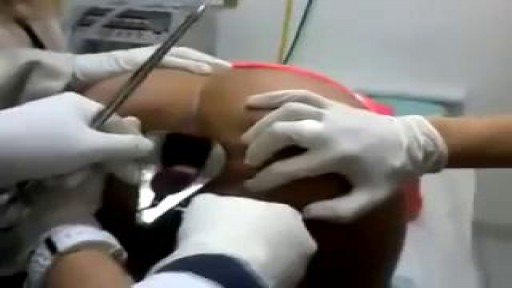
Watch that Stuck Sex Toy Removal Surgery

This educational video discusses the health considerations of oral sex, including infection risks and how those risks are reduced, in clinical terms. Intended for adult health education. Educational only — not medical advice.

Watch that video to know the Causes of Pain During Intercourse

Watch that video to know How To Firm And Lift Your Breasts Naturally

Eight common types of vaginal discharge are walked through in this educational video — what each one looks like, what it can indicate, and which changes deserve a medical visit. It connects discharge patterns to the menstrual cycle and common infections. Educational only — not medical advice.

All you need to know about the Anal Intercourse Health Risks

Watch that video to know How to Increase Your Chances Getting Pregnant with Twins
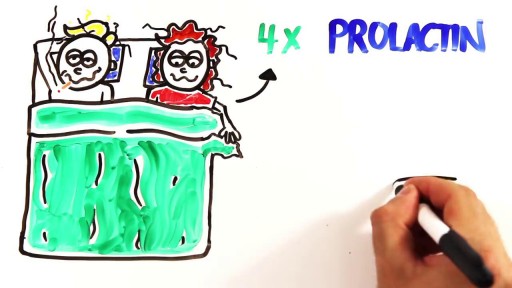
Watch that video to know aeverything about Male and Female Orgasms
Medical Videos
Free medical and surgery videos for patients, students and professionals — trusted since 2007.
Founded by Dr. Mohamed Ibrahim, MD, PhD — physician-scientist.
Follow us on Facebook · Instagram