
Ultimi video


Here's Why Your Skin Doesn't Rip Easily

What Really Happens When You Swallow Gum?

Force Does It Take To Break A Bone

This Unorthodox Procedure Makes Short People A Foot Taller
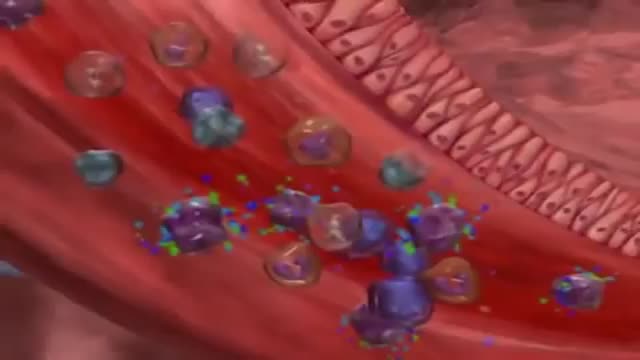
Asthma and COPD
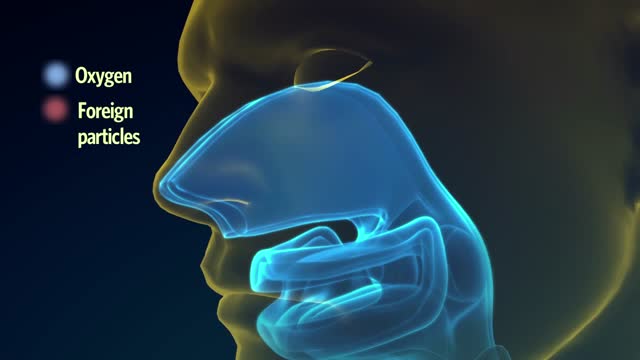
The lungs and respiratory system allow oxygen in the air to be taken into the body, while also enabling the body to get rid of carbon dioxide in the air breathed out. Respiration is the term for the exchange of oxygen from the environment for carbon dioxide from the body's cells.

There are 3 major parts of the respiratory system: the airway, the lungs, and the muscles of respiration. The airway, which includes the nose, mouth, pharynx, larynx, trachea, bronchi, and bronchioles, carries air between the lungs and the body's exterior.
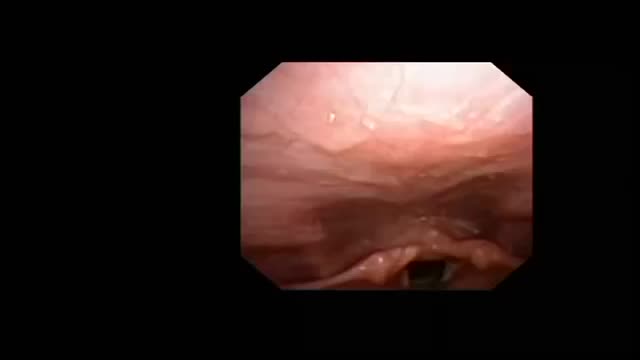
High Resolution Upper Airway Anatomy
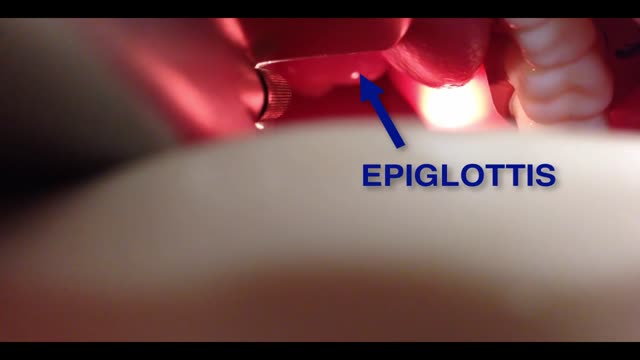
Visualization of the larynx by direct or indirect means is referred to as laryngoscopy and is the principal aim during airway management for passage of a tracheal tube. This paper presents a brief background regarding the development and practice of laryngoscopy and examines the equipment and techniques for both direct and indirect methods. Patient evaluation during the airway examination is discussed, as are predictors for difficult intubation. Laryngoscope blade design, newer intubating techniques, and a variety of indirect laryngoscopic technologies are reviewed, as is the learning curve for these techniques and devices.
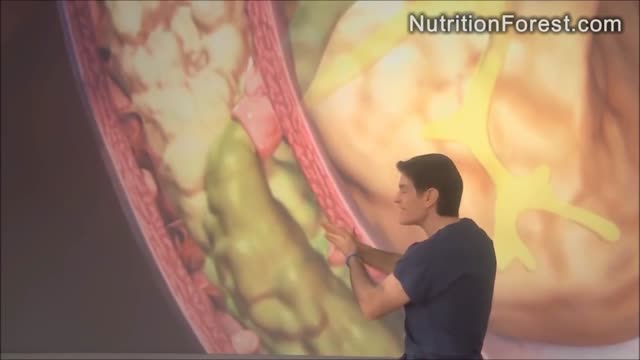
How To Cleanse Colon

How to place an NG tube in a baby,
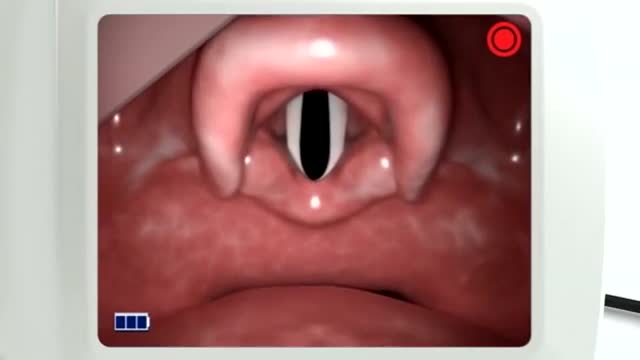
Pediatric 4-Step Basic Technique
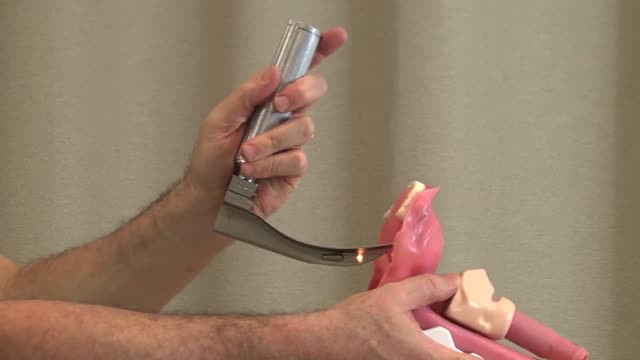
Direct Laryngoscopy: MICU Fellows Airway Course
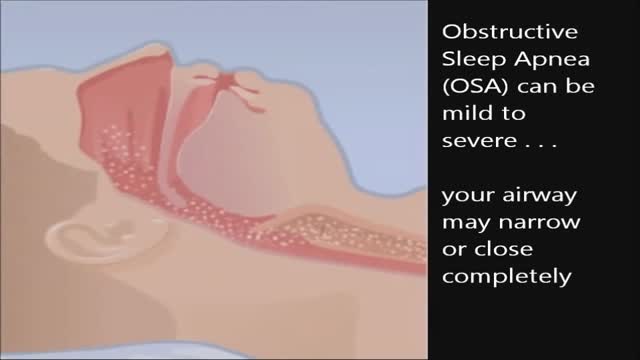
CPAP, or continuous positive airway pressure, is a treatment that uses mild air pressure to keep the airways open. CPAP typically is used by people who have breathing problems, such as sleep apnea. CPAP also may be used to treat preterm infants whose lungs have not fully developed.
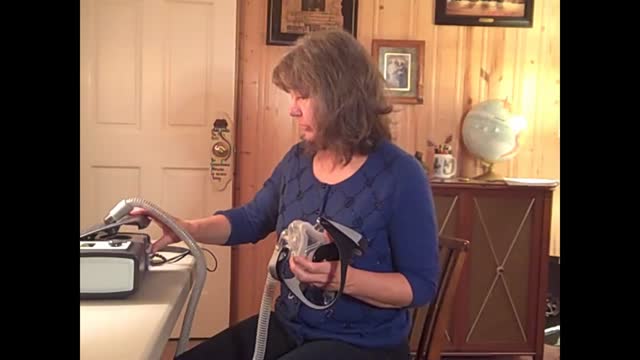
CPAP is a treatment that uses mild air pressure to keep your breathing airways open. It involves using a CPAP machine that includes a mask or other device that fits over your nose or your nose and mouth, straps to position the mask, a tube that connects the mask to the machine’s motor, and a motor that blows air into the tube. CPAP is used to treat sleep-related breathing disorders including sleep apnea. It also may be used to treat preterm infants who have underdeveloped lungs.

Cardiovascular disease (CVD) is a general term that describes a disease of the heart or blood vessels. Blood flow to the heart, brain or body can be reduced as the result of a blood clot (thrombosis), or by a build-up of fatty deposits inside an artery that cause the artery to harden and narrow (atherosclerosis).
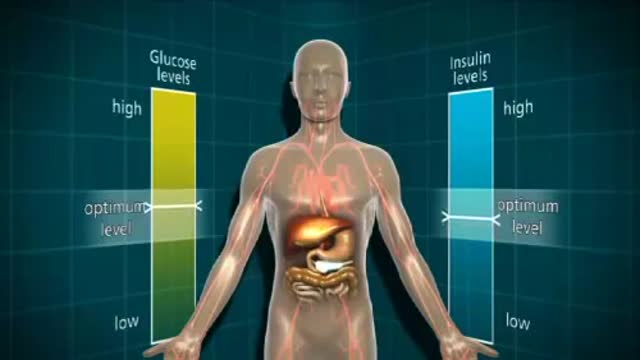
a disease in which the body’s ability to produce or respond to the hormone insulin is impaired, resulting in abnormal metabolism of carbohydrates and elevated levels of glucose in the blood and urine.
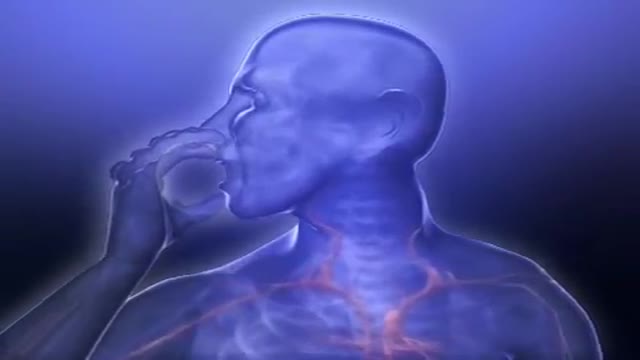
Recommended range without diabetes is 70 to 130mg/dL. (The standard for measuring blood glucose is "mg/dL" which means milligrams per deciliter.) If your blood glucose level is above 130mg/dL, that's fasting hyperglycemia. Fasting hyperglycemia is a common diabetes complication.
The usual reason given for people getting fat is that they eat too much and/or exercise too little. That reflects one of the basic laws of thermodynamics—I forget which one. The amount of energy you put into a system minus the energy you take out has to be stored somewhere i.e. FAT! This formulation—true though it is—does not entirely explain obesity since some people seem to eat more than fat people and exercise no more than these same fat people, and yet they are not fat! Chalking this fact up to the general perversity of the universe is not sufficient explanation. Other factors must come into play. I mention below some of the ideas thoughtful people have proposed to explain why fat people become fat:
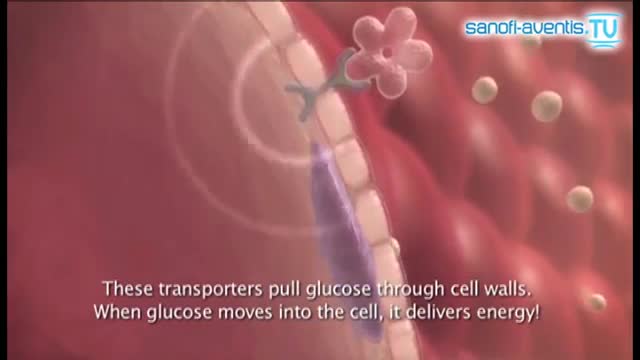
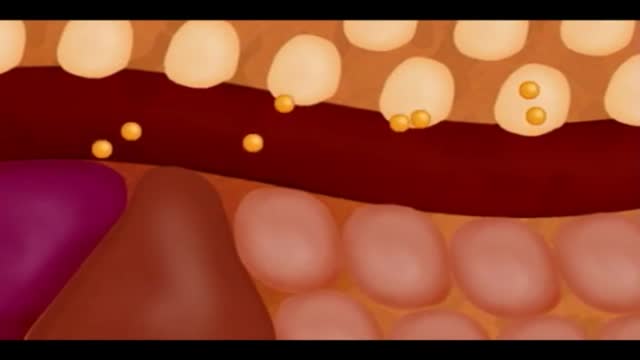
Insulin is a hormone made naturally in the pancreas that helps move sugar into the cells of your body. Your cells use the sugar as fuel to make energy. Without enough insulin, sugar stays in your bloodstream, raising your blood sugar. High blood sugar, or hyperglycemia, can lead to the signs and symptoms of diabetes:
