
- Physical Examination
- Surgical Examination
- Ophthalmology
- Clinical Skills
- Orthopedics
- Surgery Videos
- Laparoscopy
- Pediatrics
- Funny Videos
- Cardiothoracic Surgery
- Nursing Videos
- Plastic Surgery
- Otorhinolaryngology
- Histology and Histopathology
- Neurosurgery
- Dermatology
- Pediatric Surgery
- Urology
- Dentistry
- Oncology and Cancers
- Anatomy Videos
- Health and Fitness
- Radiology
- Anaesthesia
- Physical Therapy
- Pharmacology
- Interventional Radiology
- Cardiology
- Endocrinology
- Gynecology
- Emergency Medicine
- Psychiatry and Psychology
- Childbirth Videos
- General Medical Videos
- Nephrology
- Physiology
- Diet and Food Health
- Diabetes Mellitus
- Neurology
- Women Health
- Osteoporosis
- Gastroenterology
- Pulmonology
- Hematology
- Rheumatology
- Toxicology
- Nuclear Medicine
- Infectious Diseases
- Vascular Disease
- Reproductive Health
- Burns and Wound Healing
- Other
Latest videos


Liposuction is a surgical procedure that is done to remove fat deposits from underneath the skin. Common areas that are treated: the abdomen, buttocks, thighs, upper arms, chest and neck. (use medical graphic of body with labeled parts) The procedure is usually done as an outpatient under some combination of local anesthesia and/or sedation:. This means you are awake but relaxed and pain free. Depending on the number of areas to be treated and the specific technique selected, it may take from one to several hours. A small incision (cut) is made through the skin near the area of the fat deposit. Multiple incisions may be needed if a wide area or multiple areas are being done. A long hollow tube called a cannula will be inserted through this incision. Prior to inserting the cannula, the doctor may inject a solution of salt water that contains an anesthetic (numbing) medication and another medication to decrease bleeding. The cannula is then inserted and moved under the skin in a way to loosen the fat deposits so they may be suctioned out. Because a significant amount of body fluid is removed with the fat, an intravenous (through the veins) fluid line will be kept going during the procedure.
A recent technique called “ultrasound-assisted lipoplasty” uses a special cannula that liquefies the fat cells with ultrasonic energy. You should ask your doctor which technique he/she will use and how it will affect the type of anesthesia you will need and the length of the procedure.
Why is this procedure performed?
Liposuction is done to restore a more normal contour to the body. The procedure is sometimes described as body sculpting. It should be limited to fat deposits that are not responsive to diet and exercise. It is suggested that you should be within 20of your ideal body weight at the time of surgery. If you are planning to lose weight you should delay this procedure. This is not obesity surgery. The maximum amount of fat that can be removed is usually less than 10 pounds. The best results are achieved in people who still have firm and elastic skin. Although rare, there are risks and complications that can occur with liposuction. You should be aware that all the complications are increased if you are a smoker. You will need to quit smoking or at least avoid smoking for a month before and after surgery. If you have had prior surgeries near any of the areas to be treated, this may increase the risk of complications and you should discuss this with your doctor. Any history of heart disease, diabetes, bleeding problems or blood clots in your legs may make you more prone to post-operative problems and you should discuss these with your doctor. Finally, as with any cosmetic procedure it is important to have realistic expectations. The goals, limitations, and expectations of the procedure should be discussed openly and in detail with your doctor. Most insurance companies do not cover cosmetic surgery.
What should I expect during the post-operative period?
After surgery you should be able to go home but you will need someone to drive you. In the first few days after surgery it is common for the incisions to drain fluid and you will have to change dressings frequently. Fresh blood is not usual and if you have any bleeding you should call your doctor immediately. In some cases a small tube may have been placed through the skin to allow drainage. You will be limited to sponge baths until the drains and dressings are removed. After that you may take showers but no baths for 2 weeks. You may experience pain, burning, and numbness for a few days. Take pain medicine as prescribed by your doctor. You may notice a certain amount of bruising and swelling. The bruising will disappear gradually over 1 to 2 weeks. Some swelling may last for up to 6 months. If you have skin sutures they will be removed in 7 to 10 days. You should be able to be up and moving around the house the day after surgery but avoid any strenuous activity for about 1
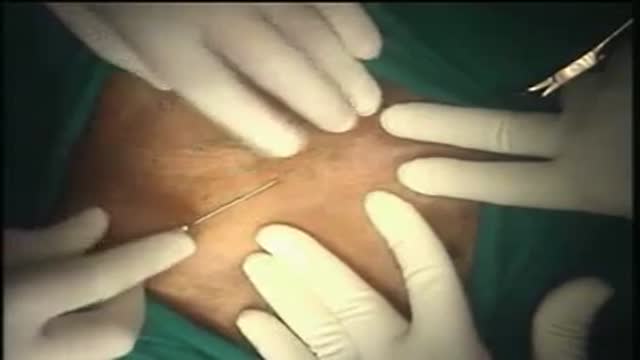
Hernia Repair with Prolene Hernia System
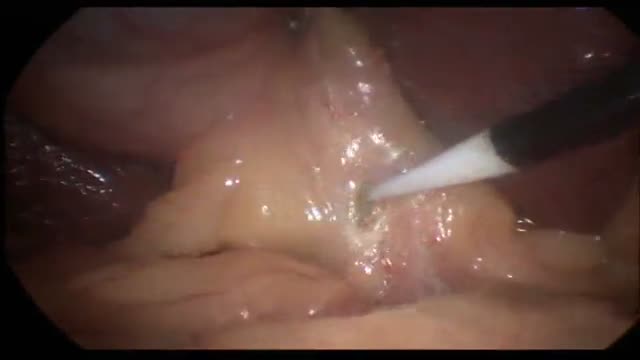
腹腔镜联合胆囊+阑尾切除术——普外寰潮网,汕头市第二人民医院
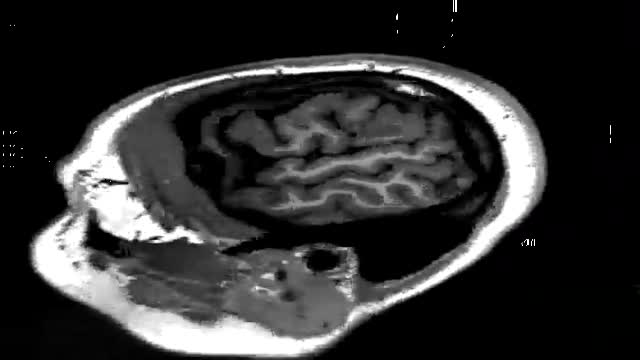
An animated video showing an MRI of the brain
A new well designed randomized study has suggested that long term baby aspirin usage may aid in fight against cancer. The suggested mechanism is that cancers induce inflammatory responses so the anti-inflammatory mechanism of prostaglandins inhibitors may cease the progress of many cancers. There are some concerns about the study because despite the well-designed randomized study; the study didn't include a satisfying number of female participants. The study was also conducted on esophageal, colorectal and lung cancers.
M. D. Anderson Cancer Center provides a basic education on cancer.
A very funny video showing the other non-bright side of being a doctor
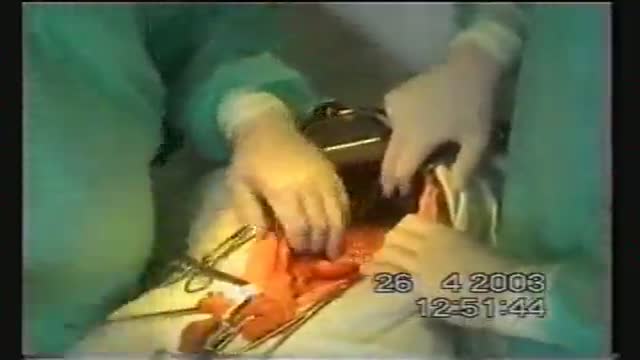
Combined Complete Total Gastrectomy with Left Hemipancreatectomy, Splenectomy, Resection of Mesocolon, D3-Lymphadenectomy for Local Advanced Gastric Cancer with Stage IV (T4N2M0).

LIS Closed done at 5 O clock position, using Scalpel blade 15. After feeling the groove between internal and external anal sphincter, the blade is passed in and the lower 1/2 of Internal anal sphincter is cut. Remain below dentate line. If anal mucosa is accidently cut suture with 4-0 rapid vicryl. In event of bleeding, pinchcock for 5 minutes.

Medispa offers Titan Skin tightening, laser skin tightening, eyetight laser blepharoplasty in NJ, Monmouth, and Shrewsbury. For more information on Titan Laser visit www.bnbmedispa.com
Worldclass Lasik offers cataract surgery eye center, LASIK surgical excellence, New York Lasik surgery, vision correction surgery, state of the art surgical laser technology.
New York Lasik
heart wound repair
Thai traditional massage is world renowned to the point of being a global brand
Thailand is the global leader for sex change operations.
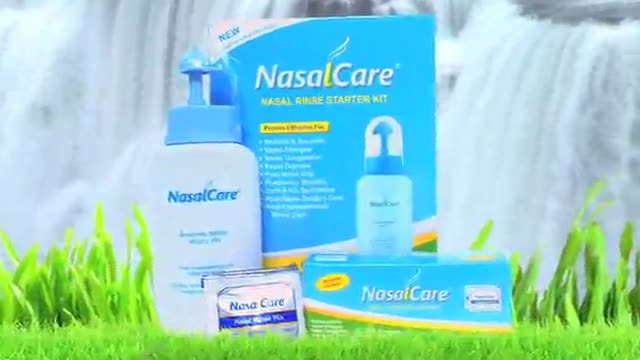
Are you seeking sinus, allergy, or nasal congestion relief? Nasal irrigation, also known as nasal rinsining, is your solution! Nasal Care's nasal irrigation system is an all-natural, simple, and easy sinus and allergy treatment that brings gentle and soothing sinus relief. Visit www.nasalcleanse.com to learn more about the safe, simple and all-natural relief you can experience with NasalCare's nasal irrigation system.
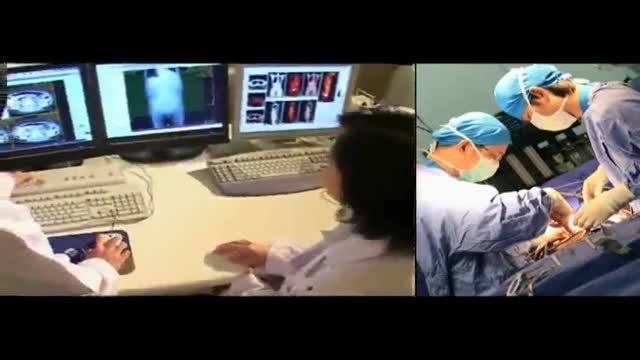
Heart surgery in Thailand is world class and affordable.
Thailand has top-notch, fast and efficient emergency care

Thailand is the established leader in dental tourism- putting the smile back on faces all over the world
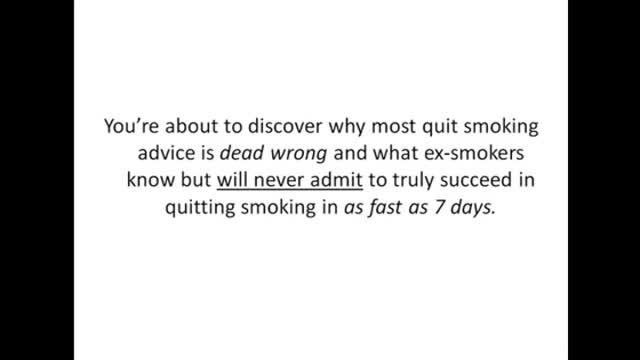
http://smoking-videos.plus101.com
Quit Smoking Forever Formula Videos - How To Quit Smoking In As Fast As 1 Week Without Agitation, Cravings Or Withdrawal Symptoms.You're about to uncover the 3 elements that will rapidly boost your chances of success to quit smoking and not only that, you'll learn ways to escape cravings and how to avoid a relapse that can happen in the future even to people with the most willpower.
Full Body Centric is a video introduction to homeopathy from the perspective of patients newly using this form of treatment. Neither condemning conventional medicine or homeopathic medicine, it explores the philosophies and techniques behind homeopathy. Interviews include a range of experts and doctors from varying backgrounds and answers many of the questions that arise when starting any new path. What are the similarities and differences between the homeopathy and conventional medicine? What are in remedies and how are they made? Is this something that is useful for everyone?
