
- Physical Examination
- Surgical Examination
- Ophthalmology
- Clinical Skills
- Orthopedics
- Surgery Videos
- Laparoscopy
- Pediatrics
- Funny Videos
- Cardiothoracic Surgery
- Nursing Videos
- Plastic Surgery
- Otorhinolaryngology
- Histology and Histopathology
- Neurosurgery
- Dermatology
- Pediatric Surgery
- Urology
- Dentistry
- Oncology and Cancers
- Anatomy Videos
- Health and Fitness
- Radiology
- Anaesthesia
- Physical Therapy
- Pharmacology
- Interventional Radiology
- Cardiology
- Endocrinology
- Gynecology
- Emergency Medicine
- Psychiatry and Psychology
- Childbirth Videos
- General Medical Videos
- Nephrology
- Physiology
- Diet and Food Health
- Diabetes Mellitus
- Neurology
- Women Health
- Osteoporosis
- Gastroenterology
- Pulmonology
- Hematology
- Rheumatology
- Toxicology
- Nuclear Medicine
- Infectious Diseases
- Vascular Disease
- Reproductive Health
- Burns and Wound Healing
- Kidney Zone Podcast
- Other
Latest videos
The newest additions to the MedicalVideos.com library — freshly curated medical and surgery videos, explainers, and lectures from educators and institutions worldwide.

Foreign body bronchus removal
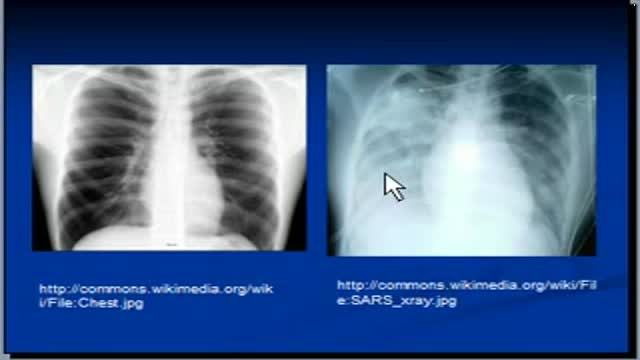
The video will describe how lung consolidation appears on a chest x-ray. Please see my website for disclaimer.
Intestinal Resection with FIbrin Glue Abdominal Repair
Laparostomy is a surgical condition in which the abdomen is left open to contrast a condition named Abdominal Compartment Syndrome
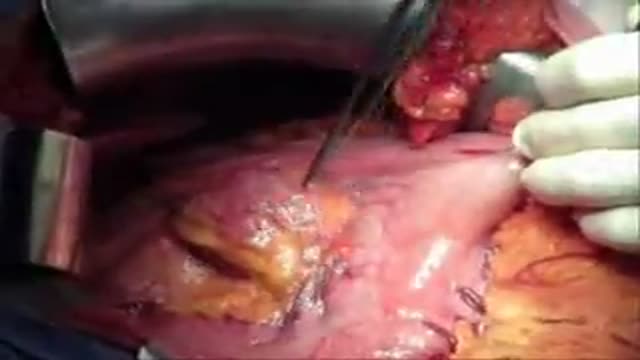
Wedge Resection of a gastric GIST
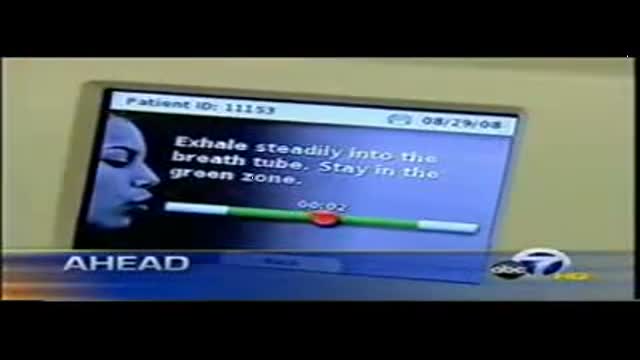
The video is a clip from ABC 7 News, KGO-TV. The video details the new FDA approved device Insight eNO system which uses exhaled nitric oxide for effective asthma management, in both adults and children.
Insight eNO has revolutionized asthma treatment. Apieron’s asthma products help in managing asthma for patients suffering from acute asthma attacks by detecting exhaled nitric oxide (eNO) present in the human breath.
Third video about sarcoidosis. Please see my website for disclaimer.

A very funny video by Michael Moore showing a brief history of America
Surgery to treat men with prostate cancer is often followed by months of difficulty controlling urine flow, a condition known as urinary incontinence. But new research suggests that this problem may go away more quickly if the men perform certain exercises to strengthen their pelvic floor muscles.
Researchers from the Kaiser Permanente Medical Center in Los Angeles, California, found that men who were taught how to perform pelvic floor exercises before and after surgery were more likely to have regained continence three months later.
Men Doing Pelvic Exercises Recover Earlier
In the current study, the researchers randomly assigned 38 men scheduled for radical prostatectomy to either a treatment group or a control group. The men in the treatment group were referred to a physical therapist. They were instructed how to do Pelvic Floor Exercises both before and after surgery, using biofeedback to ensure they were using the proper muscles. The control group did not receive any formal instruction. All of the men completed questionnaires regarding bladder function at regular intervals over the next year.
Overall, 82% of the patients had regained continence (defined as not needing to use any absorbent pads) by the end of the year, including about equal numbers in both groups. But on average the men who had been educated about Pelvic exercises regained continence about one month earlier than those in the control group (at 12 weeks vs. 16 weeks).
Most of the men who did not regain continence within a year were still using at least three absorbent pads a day, indicating continued severe incontinence. The study authors explained that these men probably had extensive damage to the bladder sphincter or severe dysfunction of the bladder after surgery, and the exercises alone were unable to compensate for this.
But the exercises seemed to be effective. Pelvic floor exercise and education initiated prior to surgery is an effective noninvasive intervention useful for improving early return of urinary continence, the authors concluded. It would certainly have a positive impact on our patients undergoing radical prostatectomy in an effort to improve quality of life after major urological surgery.
The results of the study were published in the Journal of Urology (Vol. 170, No. 1: 130-133)
In this podcast, CDC's Dr. Barbara Reynolds discusses best practices in crisis and emergency risk communication. She characterizes the initial phase of the crisis communication lifecycle and describes the five most common mistakes made in emergency communication to the public and how to counter them.
CDC's Dr. Joe Bresee describes how to prevent giving and getting novel H1N1 flu.

The video will describe how sarcoidosis my show up chest x-ray. Please see my website for disclaimer.
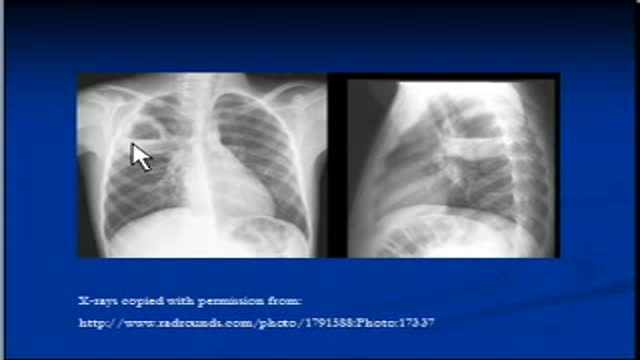
The video will describe how cavitating lesions appear on a chest x-ray. Please see my website for disclaimer.
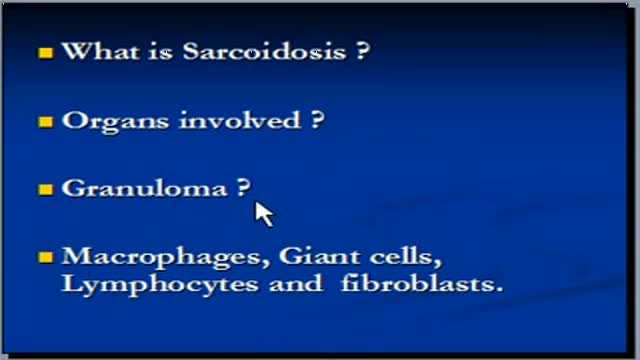
The video will describe what is sarcoidosis. Please see my website for disclaimer.
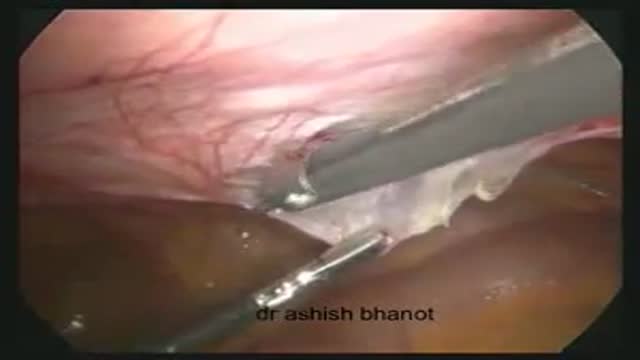
This video is showing the Laparoscopic transabdominal preperitoneal hernia repair for direct inguinal Hernia
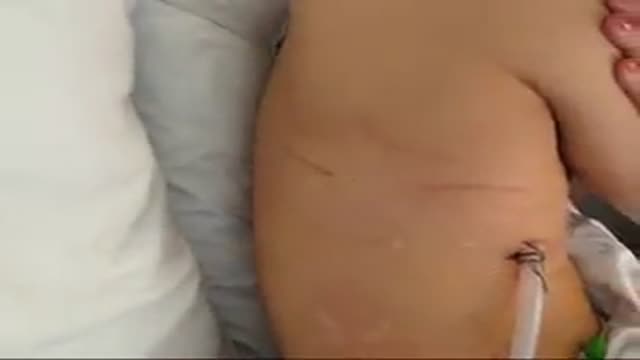
A video teaching how to remove a chest tube
Laparoscopic cornuotomy is
1. perfect for hemostasis
2. no adjuvant treatment
3. Probaility of preservation of cornua & tube
4. Possibility of vaginal delivery in Subsequent pregnancy
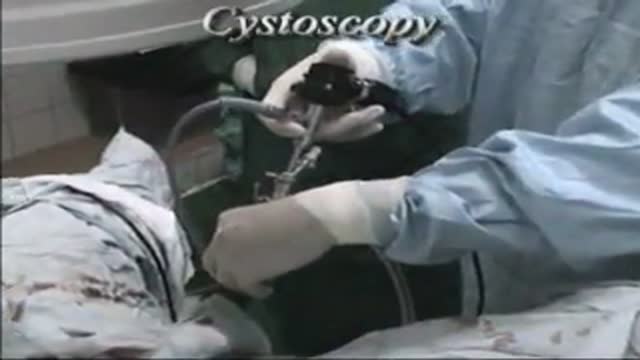
Minimally Invasive treatment of Ureteral stones after failed Extracorporeal Shockwave Lithotripsy
Endoscopic footage shows a transurethral resection of the prostate (TURP). Through a resectoscope, the obstructing lobes of the prostate are removed as tissue chips to relieve bladder outlet obstruction. The silent recording is presented for education in urology surgery. The recording runs close to ten minutes in total.
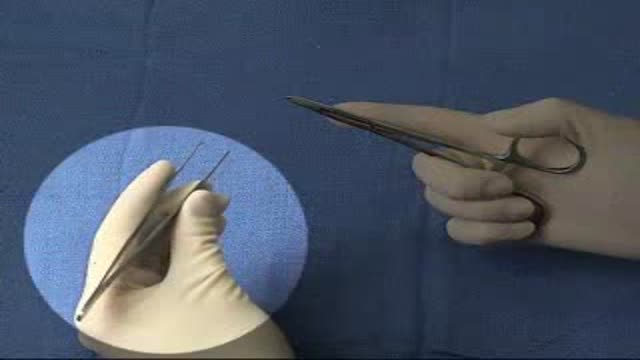

Wound suturing technique is demonstrated in this emergency medicine recording. The presenter works through how a wound is closed with sutures, with attention to healing and cosmetic outcome. It is a training resource for students learning basic wound closure skills. It is part of the site's library of recorded clinical and educational material.
Medical Videos
Free medical and surgery videos for patients, students and professionals — trusted since 2007.
Founded by Dr. Mohamed Ibrahim, MD, PhD — physician-scientist.
Follow us on Facebook · Instagram