
- Physical Examination
- Surgical Examination
- Ophthalmology
- Clinical Skills
- Orthopedics
- Surgery Videos
- Laparoscopy
- Pediatrics
- Funny Videos
- Cardiothoracic Surgery
- Nursing Videos
- Plastic Surgery
- Otorhinolaryngology
- Histology and Histopathology
- Neurosurgery
- Dermatology
- Pediatric Surgery
- Urology
- Dentistry
- Oncology and Cancers
- Anatomy Videos
- Health and Fitness
- Radiology
- Anaesthesia
- Physical Therapy
- Pharmacology
- Interventional Radiology
- Cardiology
- Endocrinology
- Gynecology
- Emergency Medicine
- Psychiatry and Psychology
- Childbirth Videos
- General Medical Videos
- Nephrology
- Physiology
- Diet and Food Health
- Diabetes Mellitus
- Neurology
- Women Health
- Osteoporosis
- Gastroenterology
- Pulmonology
- Hematology
- Rheumatology
- Toxicology
- Nuclear Medicine
- Infectious Diseases
- Vascular Disease
- Reproductive Health
- Burns and Wound Healing
- Other
Top videos
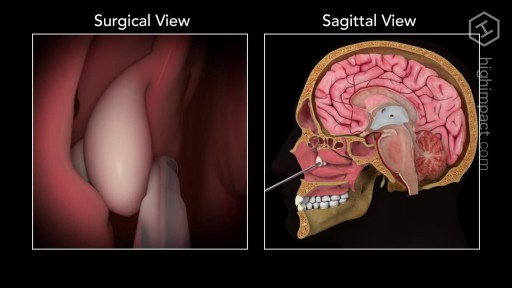

Nasal polyps are associated with inflammation of the lining of your nasal passages and sinuses that lasts more than 12 weeks (chronic rhinosinusitis, also known as chronic sinusitis). However, it's possible — and even somewhat more likely — to have chronic sinusitis without nasal polyps. Nasal polyps themselves are soft and lack sensation, so if they're small you may not be aware you have them. Multiple growths or a large polyp may block your nasal passages and sinuses.

Breast abscesses are often linked to mastitis – a condition that causes breast pain and swelling (inflammation), and usually affects women who are breastfeeding. Infections can occur during breastfeeding if bacteria enter your breast tissue, or if the milk ducts (tiny tubes) become blocked. This can cause mastitis which, if not treated, can result in an abscess forming. Women who aren't breastfeeding can also develop mastitis if bacteria enter the milk ducts through a sore or cracked nipple, or a nipple piercing. White blood cells are sent to attack the infection, which causes tissue at the site of the infection to die. This creates a small, hollow area that fills with pus (an abscess).
Breast implants do not last forever, and during its lifetime, it may rupture. Dr. Linder, Beverly Hills breast surgeon specialist, breaks down how removing breast implants works. To learn more about Dr. Stuart Linder and his expertise, Visit: www.drlinder.com
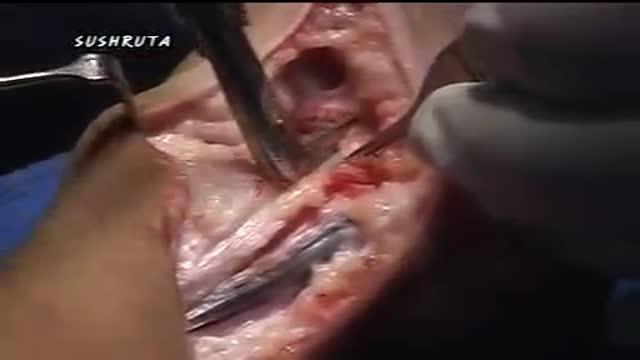
BACKGROUND: Clubfoot occurs in approximately one in 1000 live births and is one of the most common congenital birth defects. Although there have been several reports of successful treatment of idiopathic clubfoot with the Ponseti method, the use of this method for the treatment of other forms of clubfoot has not been reported. The purpose of the present study was to evaluate the early results of the Ponseti method when used for the treatment of clubfoot associated with distal arthrogryposis. METHODS: Twelve consecutive infants (twenty-four feet) with clubfoot deformity associated with distal arthrogryposis were managed with the Ponseti method and were retrospectively reviewed at a minimum of two years. The severity of the foot deformity was classified according to the grading system of Diméglio et al. The number of casts required to achieve correction was compared with published data for the treatment of idiopathic clubfoot. Recurrent clubfoot deformities or complications during treatment were recorded. RESULTS: Twenty-two clubfeet in eleven patients were classified as Diméglio grade IV, and two clubfeet in one patient were classified as Diméglio grade II. Initial correction was achieved in all clubfeet with a mean of 6.9 +/- 2.1 casts (95% confidence interval, 5.6 to 8.3 casts), which was significantly greater than the mean of 4.5 +/- 1.2 casts (95% confidence interval, 4.3 to 4.7 casts) needed in a cohort of 219 idiopathic clubfeet that were treated during the same time period by the senior author with use of the Ponseti method (p = 0.002). Six feet in three patients had a relapse after initial successful treatment. All relapses were related to noncompliance with prescribed brace wear. Four relapsed clubfeet in two patients were successfully treated with repeat casting and/or tenotomy; the remaining two relapsed clubfeet in one patient were treated with extensive soft-tissue-release operations.
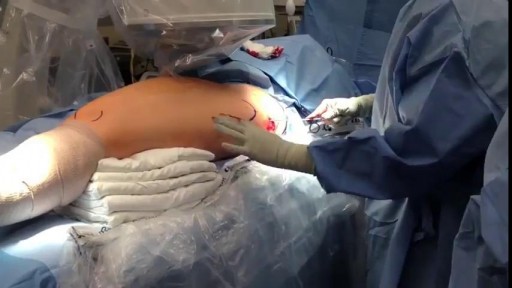
This is an example of a surgery to fix a femur (thigh bone) fracture utilizing an intramedullary nail. This is a minimally invasive way of fixing this surgical problem and allows for immediate range of motion and full weight-bearing.
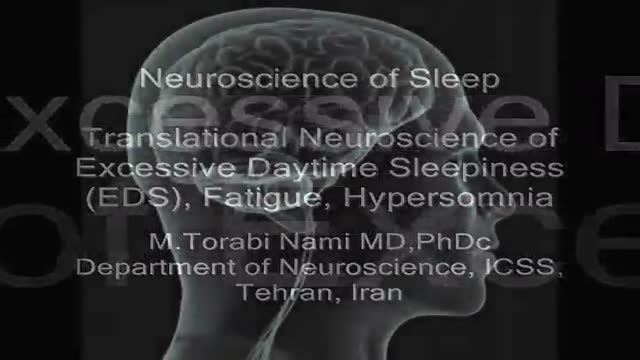
M.Torabi Nami MD, PhDc Department of Neuroscience Institute for Cognitive Science Studies (ICSS), Tehran 15948 Iran Torabi_m@iricss.org Abstract Sleepiness, tiredness and fatigue are complaints which must be thoroughly analyzed to eliminate blur and ambiguity. Physiological sleepiness (“sleep pressure”) increases while being awake and additionally underlies the circadian rhythm with a lower threshold to fall asleep during night time. Excessive daytime sleepiness (EDS) is considered normal only after sleep deprivation. Clinically, EDS manifests by frequents daytime napping and/or reduced alertness with automatic behavior or - in its extreme form - in recurrent attacks of sudden, uncontrollable compulsion to sleep also in inappropriate situations (= “sleep attacks”). EDS is “objectively” addressed by measuring the mean sleep latency to four to five nap opportunities throughout the day using the multiple sleep latency test (MSLT) or the maintenance of wakefulness test (MWT). EDS denotes both, a ready entrance into sleep as well as difficulty in staying awake during daytime or accordingly in inappropriate situations. These two partially independent aspects of EDS are separately assessed by the “passive” MSLT and the “active” MWT respectively. For that reason the MSLT and MWT only weakly correlate with each other when tested over a broad range of patients with EDS. It is important to keep in mind, that these tests are importantly influenced by a great variety of factors such as mood, anxiety, and motivation. “Vigilance” comprises wakefulness, alertness and attention and therefore is more than just the reciprocal to sleepiness. Cognitive performance tasks such as Steer Clear Reaction Time Test (SCRTT) or driving simulators require the complete integrity of vigilance to achieve normal results. Hypersomnia is usually broadly defined as the combination of abnormally prolonged night-time sleep (regularly >10 h) with EDS during ≥1 months. On the other hand, the term hypersomnia has also been used in a narrower scene for the isolated abnormality of a prolonged night-time sleep need (>10 h). “Tiredness”, also in colloquial language often used for sleepiness, in a broader sense also describes the feeling of lack of energy, motivation and initiative. These patients seek rest rather than sleep. They often cannot fall asleep when given the opportunity in spite of feeling tired, and hence, in an MSLT, do not show an abnormally short sleep latency. Furthermore, tiredness (and fatigue) as opposed to sleepiness has a mental (“central”) and physiological (bodily or “peripheral”) component, which the patients can readily distinguish. Patients with insomnia, mild sleep apnea syndrome, or depression rather suffer from mental tiredness than sleepiness during the day. The simple subjective self-assessment using the Epworth Sleepiness Scale (ESS) quite reliably differentiates between sleepiness and mental tiredness (without sleepiness), which makes it a widely used test. The term “fatigue” is also heterogeneously used. In physiology the “fatigue” implied a “time on task performance decrement” to describe decreasing muscle force during a sustained physical effort. In clinical medicine one distinguishes physical (“peripheral”) from mental (“central”) fatigue and the term usually denotes a chronic and more abnormal situation than tiredness. In a broad sense “fatigue” implies a deficiency in coping satisfactorily with mental and physical work load. The chronic fatigue syndrome entails both mental as well as a physical fatigue (so called “leaden paralysis” of limbs). Depressive states are often associated with insomnia and fatigue, but there are also cases with hypersomnia rather than insomnia ( non organic hypersomnia , “atypical depression” or “hypersom
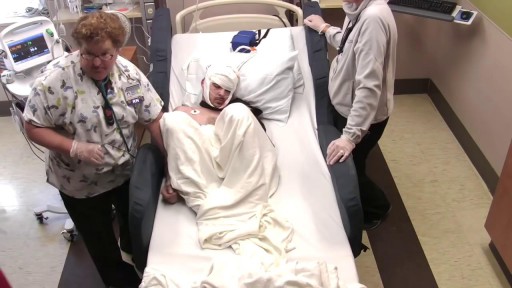
A grand mal seizure causes a loss of consciousness and violent muscle contractions. It's the type of seizure most people picture when they think about seizures. A grand mal seizure — also known as a generalized tonic-clonic seizure — is caused by abnormal electrical activity throughout the brain. Usually, a grand mal seizure is caused by epilepsy. But sometimes, this type of seizure can be triggered by other health problems, such as extremely low blood sugar, a high fever or a stroke. Many people who have a grand mal seizure never have another one and don't need treatment. But someone who has recurrent seizures may need treatment with daily anti-seizure medications to control and prevent future grand mal seizures
3D Medical

Grisp Reflex

Medication Use During Pregnancy
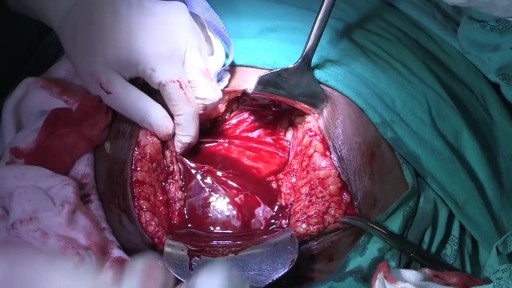
This video is a teaching aid for use in conjunction with broader surgical training
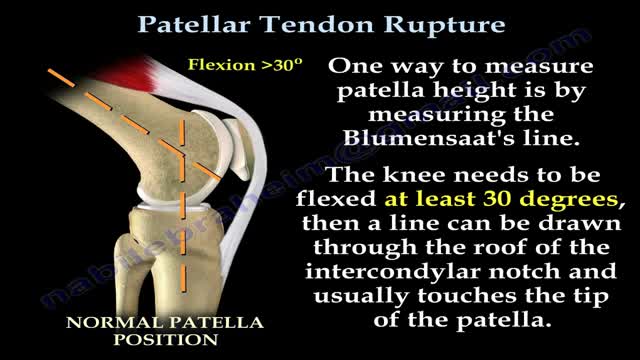
Patellar tendon rupture is a rupture of the tendon that connects the patella to the tibia. The superior portion of the patellar tendon attaches on the posterior portion of the patella, and the posterior portion of the patella tendon attaches to the tibial tubercle on the front of the tibia.
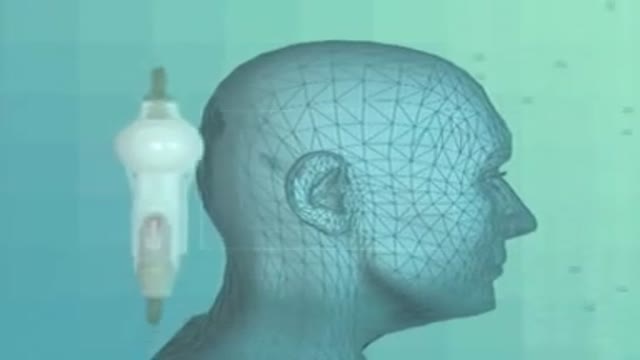
Good abdominal wall closure is one of the basic surgical skills and is a common feature of almost all modern-day CSF shunt operations. The fact that some patients require multiple abdominal operations highlights the need for a simple and effective technique for peritoneal catheter insertion through the abdominal wall and abdominal wall closure. Although technically simple, abdominal wall closure becomes more complex when combined with the requirement to maintain CSF shunt function in cases in which the shunt catheter passes through the abdominal wall into the peritoneal cavity. In this report, the authors describe a simple technique for passing the peritoneal catheter of a ventriculoperitoneal shunt through the abdominal wall on a pathway separate from the fascial opening. This technique minimizes the risk of abdominal wall-related complications and is especially important in high-risk patients such as those with obesity and/or diabetes and in children.
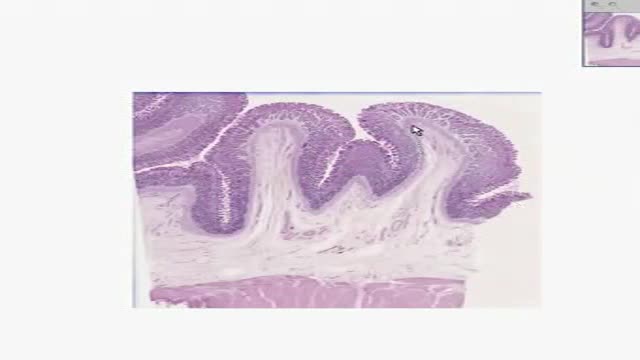
Histology of Gastric Fundus
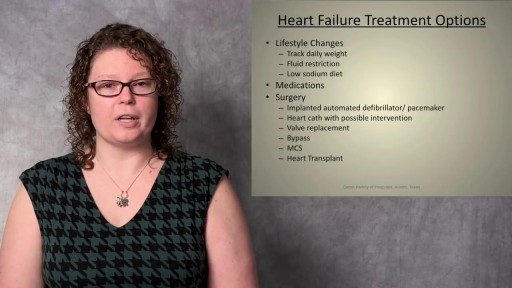
Although individual surgeons and centers employ different methods to insert a left ventricular assist device (LVAD), the fundamental concepts remain true for all. That is, most devices use the apex of the left ventricle (LV) as the inflow site to the pump, which subsequently gives off an outflow graft to the aorta, thus bypassing the ailing LV. Currently available devices do not differ significantly with regard to general implantation technique. The sequence of implantation can vary also from patient to patient, depending on the particular situation. In some cases, concomitant procedures may be performed in conjunction with LVAD implantation without adversely affecting outcome.
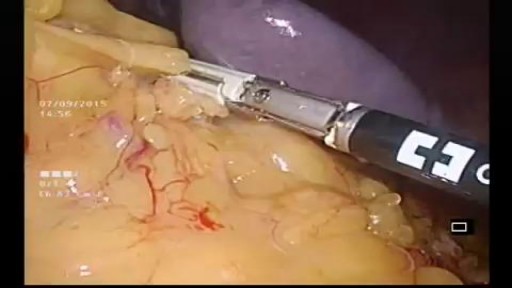
Case of ITP with persistent very low platelet count despite best medical management
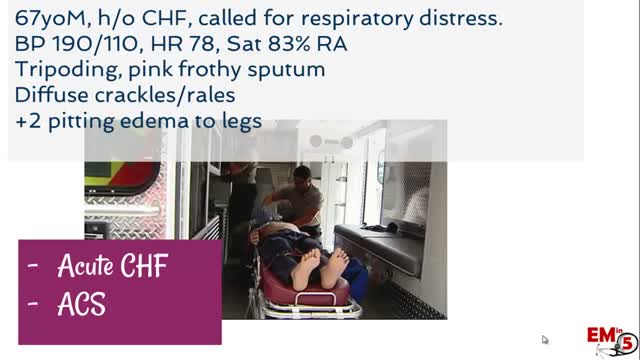
Hypertensive urgency must be distinguished from hypertensive emergency. Urgency is defined as severely elevated blood pressure (ie, systolic >220 mm Hg or diastolic >120 mm Hg) with no evidence of target organ damage.
The best way to prevent hepatitis A is through vaccination with the hepatitis A vaccine. Vaccination is recommended for all children age 12 months or older, for travelers to certain countries, and for people at high risk for infection with the virus. The hepatitis A vaccine is given as two shots, six months apart.
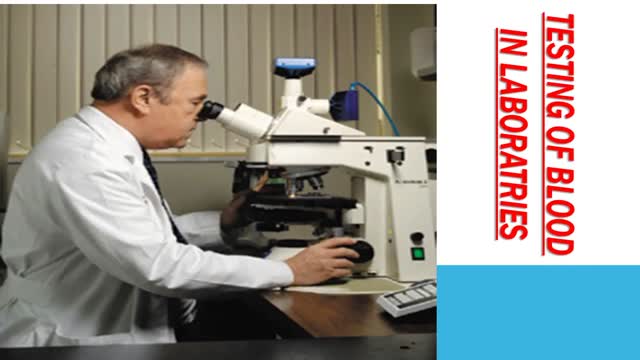
COMMON BLOOD DISORDERS

all pregnant women be screened for Chlamydia at the first prenatal visit. Women under age 25 and those at increased risk for chlamydia! Infection should have repeat testing in the third trimester. Chlamydia endometritis during pregnancy can lead to chorioamnionitis and premature delivery of the fetus. Untreated infection during pregnancy can also lead to conjunctivitis (ophthalmia neonatorum) and pneumonia in the newborn baby
