
סרטונים מובילים


If you suspect that you have sleep apnea, the usual first step is to discuss your suspicions with your primary care physician. If you don’t have a primary care physician, you can go directly to a clinician who is a sleep specialist. But check your health care insurance coverage first. Some policies require you to see a primary care physician first, and some policies limit the sleep centers and testing facilities whose services they will pay for. Unfortunately, you may discover that your policy offers limited or no coverage for the diagnosis and treatment of sleep apnea, in which case you may wish to switch insurers if and when you can.

Things Every New Mother Needs to Know


http://www.landging.com/expo2010_case_2.html
Airplane perspective animation, 3d aviation animation, developed for Expo 2010 Shanghai Aviation Pavilion.
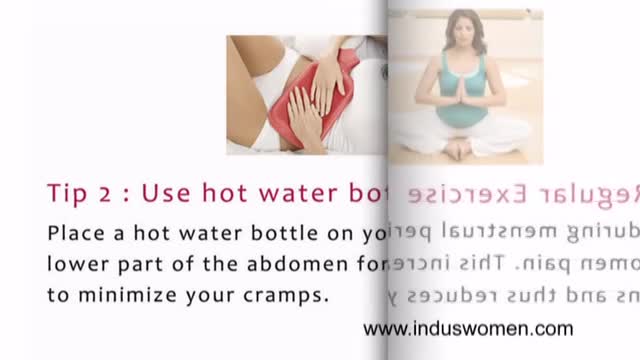
To relieve mild menstrual cramps: Take aspirin or another pain reliever, such as Tylenol (acetaminophen), Motrin (ibuprofen) or Aleve (naproxen). (Note: For best relief, you must take these medications as soon as bleeding or cramping starts.) Place a heating pad or hot water bottle on your lower back or abdomen

Charlotte NC
Best facial cosmetic surgeons Best facial plastic surgeon Browlift Charlotte endoscopic brow lift Charlotte’s top facial plastic surgeon Facial plastic surgeons Facial plastic surgery Face lifts Facial mini-tuck Lip enhancement Lip augmentation Nose job Nose job cost Nose surgery Rhinoplasty Rhinoplasty Expert Rhinoplasty and teens Revision rhinoplasty Teen Rhinoplasty, Charlotte Teen Rhinoplasty, North Carolina Teen Rhinoplasty Expert Top rhinoplasty surgeons Best Charlotte rhinoplasty surgeons: C local listings,#8, 9 organic listings Most experienced rhinoplasty surgeons

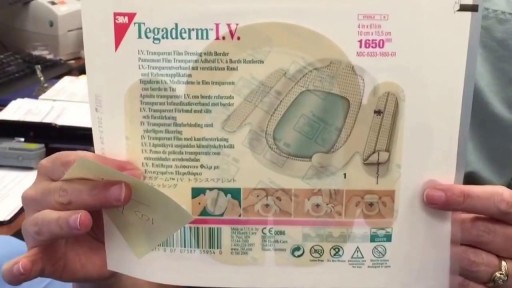
In emergencies (eg, asystole), transcutaneous pacing should be tried first. If transvenous pacing is tried, the catheter should be advanced during asynchronous pacing at maximum output until the ventricle has been captured and a palpable pulse is detected in the patient.

A new treatment option for men suffering from a fatal form of prostate cancer.

uses video of babies and toddlers to show the communication milestones expected in typically developing children. She also discusses what parents should do if they suspect their child is developmentally delayed

Bone fractures are generally caused by injury, such as a fall, car accident, or sports injury, however, bone fractures can also be caused by osteoporosis. If you have a bone fracture, you must get immediate medical attention and keep the fracture immobilized until you can get help. After the fracture has been immobilized, you can then begin natural remedies to help heal broken bones fast.
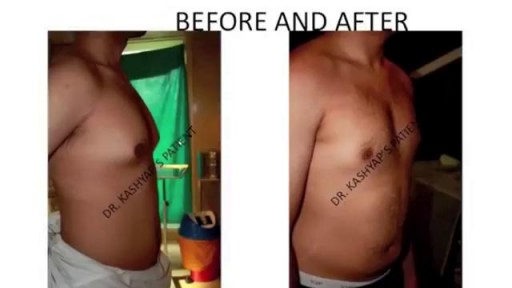
PREPARING FOR GYNECOMASTIA SURGERY - This maybe the first time you are planning to undergo surgery. It's natural to feel little anxious about the whole process. Get more information www.bestbreastsurgeryindia.com | www.themedspa.us/cosmetic-surgery/male-breast-reduction.html
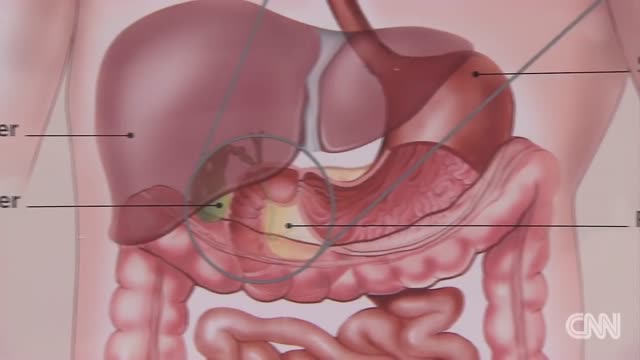
Irritable bowel syndrome (IBS) is a common disorder that affects the large intestine (colon). Irritable bowel syndrome commonly causes cramping, abdominal pain, bloating, gas, diarrhea and constipation. IBS is a chronic condition that you will need to manage long term. Even though signs and symptoms are uncomfortable, IBS — unlike ulcerative colitis and Crohn's disease, which are forms of inflammatory bowel disease — doesn't cause changes in bowel tissue or increase your risk of colorectal cancer. Only a small number of people with irritable bowel syndrome have severe signs and symptoms. Some people can control their symptoms by managing diet, lifestyle and stress. Others will need medication and counseling.
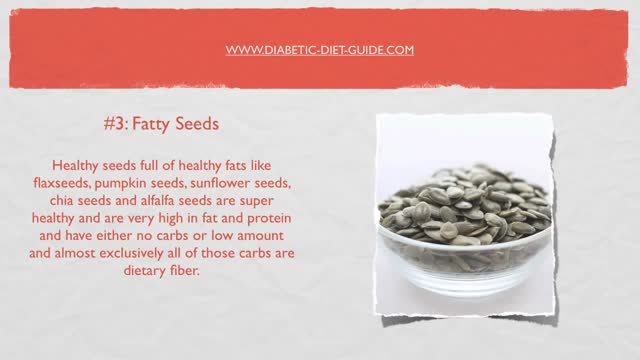
Such foods include carrots, eggplant, cauliflower, green beans, broccoli, peppers, onions, lettuce, zucchini, tomatoes, peanuts and walnuts. These foods are generally safe for you to eat at each meal without spiking your blood sugar.
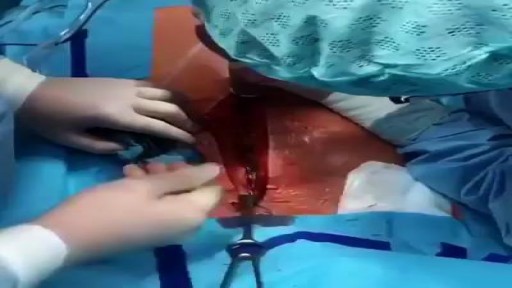
Median Sternotomy performed before open heart surgery !

Learn about the exciting results Baptist Healthcare System is experiencing with McKesson enterprise intelligence solutions in this video testimonial.

Most condoms are made of latex rubber, but they can also be made from lamb cecum or polyurethane. In addition to their contraceptive value, condom use has been found effective in preventing the spread of sexually transmitted diseases.
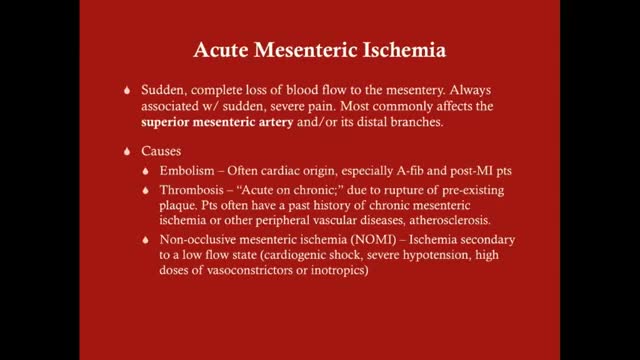
Acute mesenteric ischemia (AMI) is a syndrome caused by inadequate blood flow through the mesenteric vessels, resulting in ischemia and eventual gangrene of the bowel wall. Although relatively rare, it is a potentially life-threatening condition. Broadly, AMI may be classified as either arterial or venous. AMI as arterial disease may be subdivided into nonocclusive mesenteric ischemia (NOMI) and occlusive mesenteric arterial ischemia (OMAI); OMAI may be further subdivided into acute mesenteric arterial embolism (AMAE) and acute mesenteric arterial thrombosis (AMAT). AMI as venous disease takes the form of mesenteric venous thrombosis (MVT).
