
- Physical Examination
- Surgical Examination
- Ophthalmology
- Clinical Skills
- Orthopedics
- Surgery Videos
- Laparoscopy
- Pediatrics
- Funny Videos
- Cardiothoracic Surgery
- Nursing Videos
- Plastic Surgery
- Otorhinolaryngology
- Histology and Histopathology
- Neurosurgery
- Dermatology
- Pediatric Surgery
- Urology
- Dentistry
- Oncology and Cancers
- Anatomy Videos
- Health and Fitness
- Radiology
- Anaesthesia
- Physical Therapy
- Pharmacology
- Interventional Radiology
- Cardiology
- Endocrinology
- Gynecology
- Emergency Medicine
- Psychiatry and Psychology
- Childbirth Videos
- General Medical Videos
- Nephrology
- Physiology
- Diet and Food Health
- Diabetes Mellitus
- Neurology
- Women Health
- Osteoporosis
- Gastroenterology
- Pulmonology
- Hematology
- Rheumatology
- Toxicology
- Nuclear Medicine
- Infectious Diseases
- Vascular Disease
- Reproductive Health
- Burns and Wound Healing
- Other
Top videos

My baby is breech. Is it okay to get an external cephalic version (ECV)?


Best facial cosmetic surgeons B
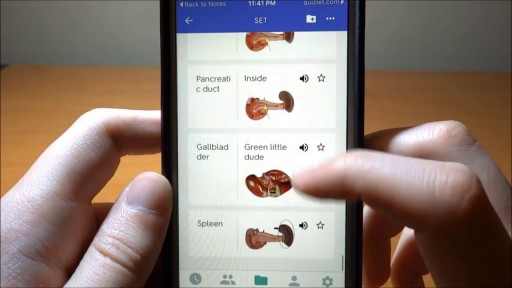
Watch that video to know How to Learn Human Anatomy Quickly and Efficiently?

People with serious comprehension difficulties have what is called Wernicke’s aphasia and: Often say many words that don’t make sense. May fail to realize they are saying the wrong words; for instance, they might call a fork a “gleeble.” May string together a series of meaningless words that sound like a sentence but don’t make sense. Have challenges because our dictionary of words is shelved in a similar region of the left hemisphere, near the area used for understanding words.
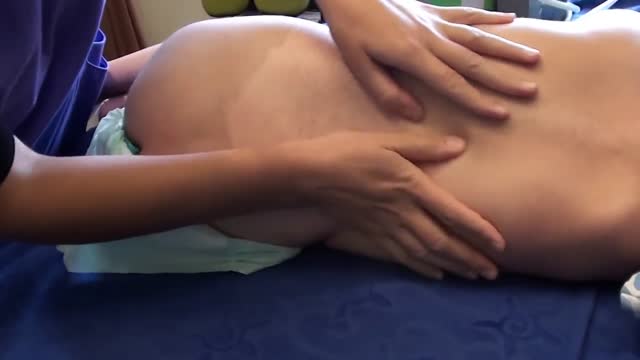
Pediatric Massage
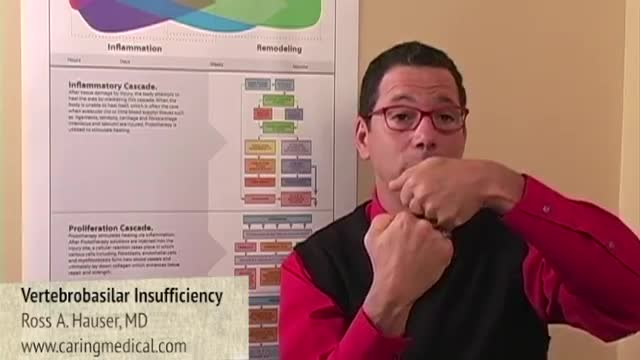
Vertebrobasilar insufficiency is typically secondary to emboli, thrombi, or arterial dissection. The labyrinth and brainstem are commonly affected, and symptoms may include vertigo, dizziness, dysarthria, diplopia, and numbness.
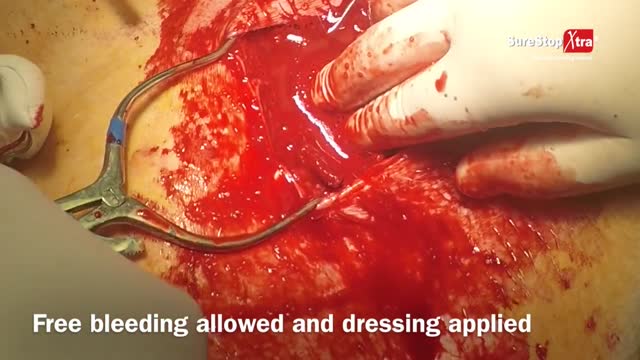
If the artery were severed, blood would flow out unimpeded, although the artery wall would contract in an effort to stop the bleeding. After losing >30% of one's blood volume blood pressure would start dropping, and with less pressure the rate of bleeding would go down. At this stage if the blood loss wasn't replaced the person could die. Losing halve to two thirds of one's blood volume is considered to be fatal even if later on blood transfusion is attempted. One's total blood volume at 70ml/kg is estimated to be between 5 to 7 liters, so that makes a blood loss of between 2,5 to 4,7 L.
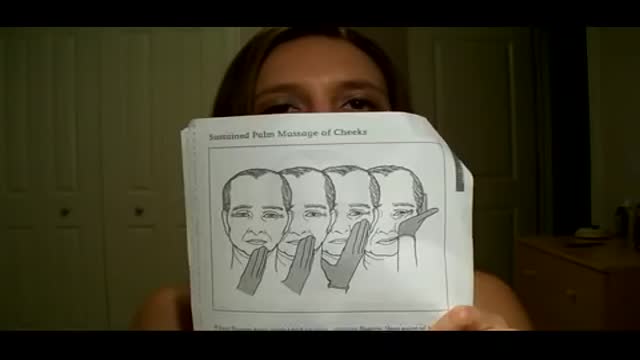
Bell's palsy is a form of facial paralysis resulting from damage or trauma to the facial nerves. The facial nerve-also called the 7th cranial nerve-travels through a narrow, bony canal (called the Fallopian canal) in the skull, beneath the ear, to the muscles on each side of the face. For most of its journey, the nerve is encased in this bony shell. Each facial nerve directs the muscles on one side of the face, including those that control eye blinking and closing, and facial expressions such as smiling and frowning. Additionally, the facial nerve carries nerve impulses to the lacrimal or tear glands, the saliva glands, and the muscles of a small bone in the middle of the ear called the stapes. The facial nerve also transmits taste sensations from the tongue. When Bell's palsy occurs, the function of the facial nerve is disrupted, causing an interruption in the messages the brain sends to the facial muscles. This interruption results in facial weakness or paralysis. Bell's palsy is named for Sir Charles Bell, a 19th century Scottish surgeon who described the facial nerve and its connection to the condition. The disorder, which is not related to stroke, is the most common cause of facial paralysis. Generally, Bell's palsy affects only one of the paired facial nerves and one side of the face, however, in rare cases, it can affect both sides.
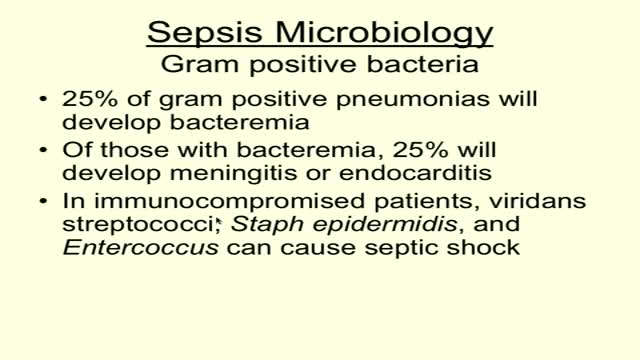
Sepsis is a potentially life-threatening complication of an infection. Sepsis occurs when chemicals released into the bloodstream to fight the infection trigger inflammatory responses throughout the body. This inflammation can trigger a cascade of changes that can damage multiple organ systems, causing them to fail. If sepsis progresses to septic shock, blood pressure drops dramatically, which may lead to death. Anyone can develop sepsis, but it's most common and most dangerous in older adults or those with weakened immune systems. Early treatment of sepsis, usually with antibiotics and large amounts of intravenous fluids, improves chances for survival. Symptoms & causes Symptoms Many doctors view sepsis as a three-stage syndrome, starting with sepsis and progressing through severe sepsis to septic shock. The goal is to treat sepsis during its early stage, before it becomes more dangerous. Sepsis To be diagnosed with sepsis, you must exhibit at least two of the following symptoms, plus a probable or confirmed infection: Body temperature above 101 F (38.3 C) or below 96.8 F (36 C) Heart rate higher than 90 beats a minute Respiratory rate higher than 20 breaths a minute Severe sepsis Your diagnosis will be upgraded to severe sepsis if you also exhibit at least one of the following signs and symptoms, which indicate an organ may be failing: Significantly decreased urine output Abrupt change in mental status Decrease in platelet count Difficulty breathing Abnormal heart pumping function Abdominal pain Septic shock To be diagnosed with septic shock, you must have the signs and symptoms of severe sepsis — plus extremely low blood pressure that doesn't adequately respond to simple fluid replacement. When to see a doctor Most often sepsis occurs in people who are hospitalized. People in the intensive care unit are especially vulnerable to developing infections, which can then lead to sepsis. If you get an infection or if you develop signs and symptoms of sepsis after surgery, hospitalization or an infection, seek medical care immediately. Causes While any type of infection — bacterial, viral or fungal — can lead to sepsis, the most likely varieties include: Pneumonia Abdominal infection Kidney infection Bloodstream infection (bacteremia) The incidence of sepsis appears to be increasing in the United States. The causes of this increase may include: Aging population. Americans are living longer, which is swelling the ranks of the highest risk age group — people older than 65. Drug-resistant bacteria. Many types of bacteria can resist the effects of antibiotics that once killed them. These antibiotic-resistant bacteria are often the root cause of the infections that trigger sepsis. Weakened immune systems. More Americans are living with weakened immune systems, caused by HIV, cancer treatments or transplant drugs. Risk factors Sepsis is more common and more dangerous if you: Are very young or very old Have a compromised immune system Are already very sick, often in a hospital's intensive care unit Have wounds or injuries, such as burns Have invasive devices, such as intravenous catheters or breathing tubes Complications Sepsis ranges from less to more severe. As sepsis worsens, blood flow to vital organs, such as your brain, heart and kidneys, becomes impaired. Sepsis can also cause blood clots to form in your organs and in your arms, legs, fingers and toes — leading to varying degrees of organ failure and tissue death (gangrene). Most people recover from mild sepsis, but the mortality rate for septic shock is nearly 50 percent. Also, an episode of severe sepsis may place you at higher risk of future infections.
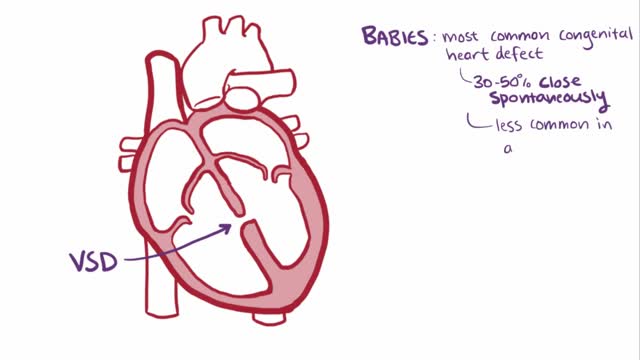
A ventricular septal defect (VSD), a hole in the heart, is a common heart defect that's present at birth (congenital). The hole occurs in the wall that separates the heart's lower chambers (septum) and allows blood to pass from the left to the right side of the heart. The oxygen-rich blood then gets pumped back to the lungs instead of out to the body, causing the heart to work harder. A small ventricular septal defect may cause no problems, and many small VSDs close on their own. Larger VSDs need surgical repair early in life to prevent complications.
Pomada Para Herpes, Como Curar Herpes, Imagenes De Herpes Labial, Como Curar Un Herpes.
http://como-curar-el-herpes.good-info.co
Y aquí hay un hecho que probablemente no sabías:
No hay mucha diferencia con el herpes..
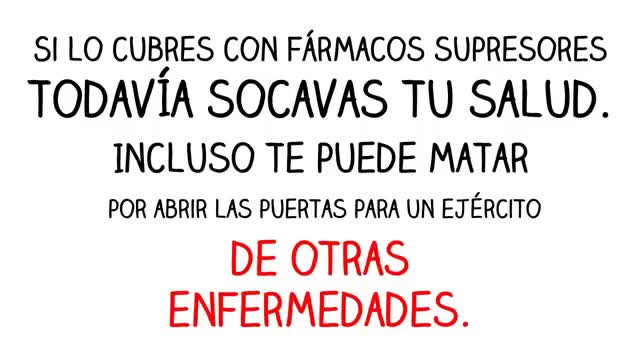
Si lo cubres con fármacos supresores todavía socavas tu salud.
Incluso te puede matar por abrir las puertas para un ejército de otras enfermedades. Por ejemplo...
Tienes de 2 a 4 veces más probabilidades de contraer HIV de acuerdo a la Universidad de Washintong
¿Y qué pasa con las convulsiones e hinchazón del tejido de tu cerebro, que de tan malo puede hacer estallar tu cráneo?
Lo que suena como el guión de una película de terror se llama "meningitis". Mata al 11% de sus víctimas
Para mas información
http://como-curar-el-herpes.good-info.co
Suscríbete A nuestro Canal
https://www.youtube.com/watch?v=4qxFM-3kF8k
Visita Nuestro Blog
http://que-es-el-herpes.blogspot.com/
Pomada Para Herpes, Como Curar Herpes, Imagenes De Herpes Labial, Como Curar Un Herpes, causas herpes simple, fotos herpes labial, como es el herpes en la piel, como curar un herpes en la boca, forma de contagio del herpes, tratamiento natural para el herpes, herpes labial medicina, herpes bucal causas, tratamiento del herpes bucal, como curar un herpes, herpes oral causas, herpes tratamiento medico, herpes viral tratamiento, herpes boca causas, tratamiento del herpes zoster
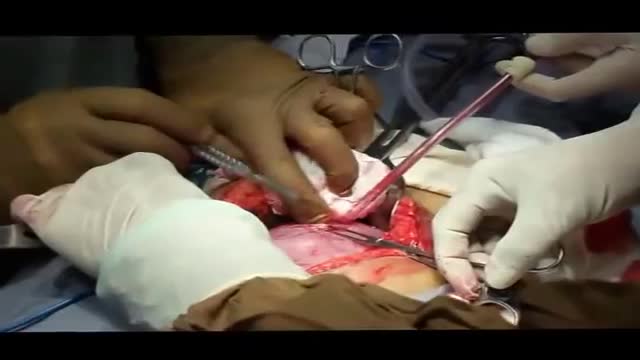
Emergency C Section for a Bleeding Placenta
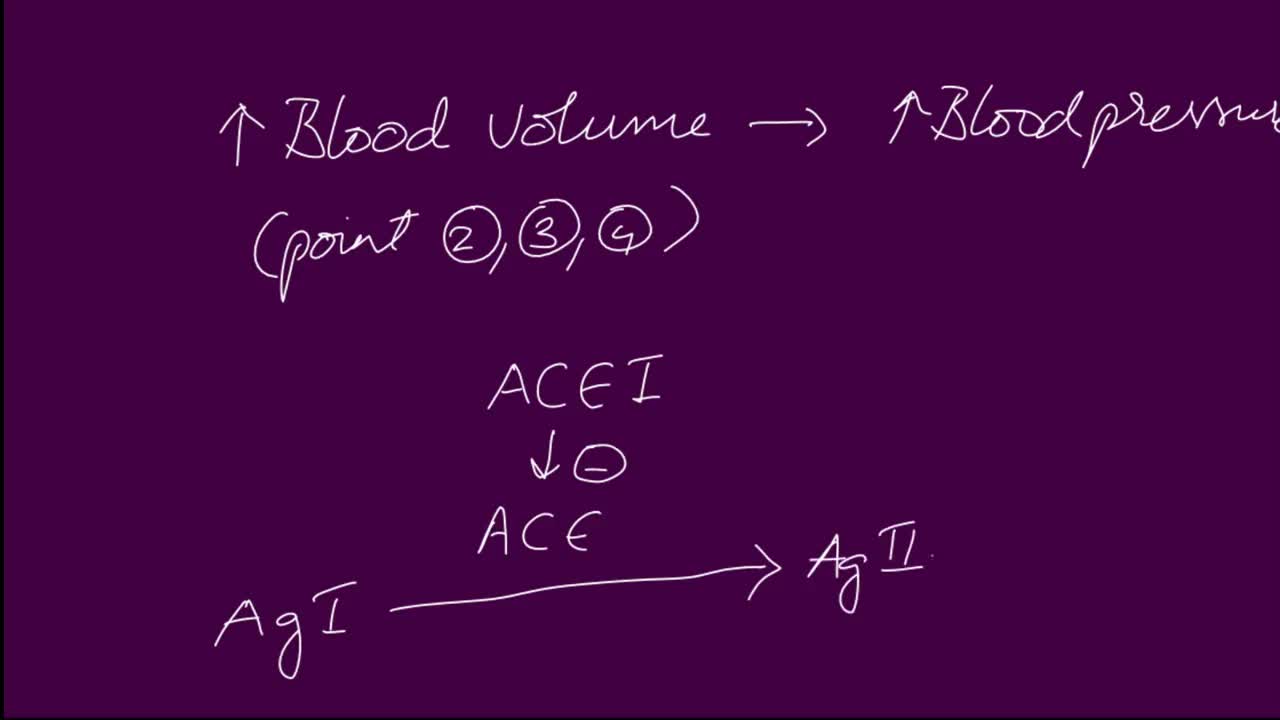
ACE Inhibitor Mechanisms. Angiotensin converting enzyme (ACE) inhibitors are agents used to relax blood vessels and lower blood pressure. They prevent an enzyme from producing angiotensin II, which narrows blood vessels and raises blood pressure, meaning the heart has to work harder to pump blood around the body.

How To Lose Weight In A Week, How To Lose Fat Without Exercise, Diets That Work Fast
http://lose-weight-without-gym.info-pro.co
3 Ways For Fast Weight Loss
There are many people who would like to reduce their weight very fast sitting at home; cost is a constraint when it comes to reducing your weight, so membership in a health club or a weight reduction center is out of question for many people.
The ways of weight loss at home fast is not a rocket science exertion rather it’s like an open book. The most important rules are taking a balanced diet which is rich in fiber, cutting of carbohydrates from the meals and planning out exercises and work outs properly.
The following section discusses these 3 simple yet effective ways of weight loss.
How to train your brain to lose pounds
Click Here: http://lose-weight-without-gym.info-pro.co
Click The Link Below To Check It Out
http://lose-weight-without-gym.info-pro.co
Subscribe To Our Channel
https://www.youtube.com/user/NaturalFatBurners1
https://www.youtube.com/watch?v=EcicJ5J-C7U
How To Lose Weight In A Week, How To Lose Fat Without Exercise, Diets That Work Fast,
gym workout to lose weight,
how to lose weight in gym,
losing weight at the gym,
best workout for losing weight,
best gym workout to lose weight,
how to lose weight permanently,
how can you lose weight in a week,
great exercises to lose weight,
what is the best workout to lose weight,
what are the best exercises to lose weight

This device can detect several diseases from a single drop of blood.

Laser lipo, or SmartLipo at SafeSculpt Laser Liposuction is the most advanced method for removing unwanted areas of fat from the body.
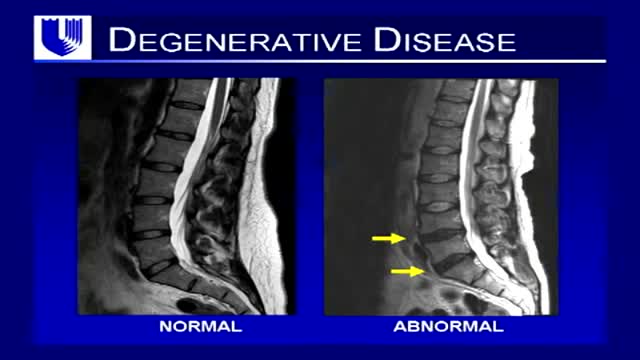
Neck pain is a common complaint. Neck muscles can be strained from poor posture — whether it's leaning over your computer or hunching over your workbench. Osteoarthritis also is a common cause of neck pain. Rarely, neck pain can be a symptom of a more serious problem. Seek medical care if your neck pain is accompanied by numbness or loss of strength in your arms or hands or if you have shooting pain into your shoulder or down your arm
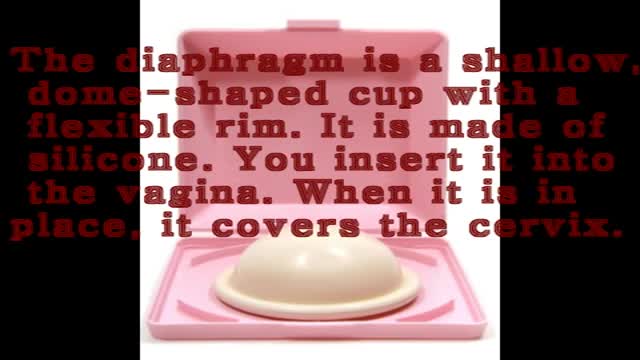
SEX WITH DIAPHRAGM TO CONTROL UNWANTED PREGNANCY
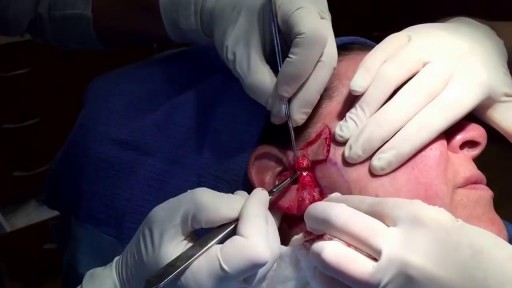
Mini Face Lift Surgery -- Short Scars -- No Anesthesia
