
- Physical Examination
- Surgical Examination
- Ophthalmology
- Clinical Skills
- Orthopedics
- Surgery Videos
- Laparoscopy
- Pediatrics
- Funny Videos
- Cardiothoracic Surgery
- Nursing Videos
- Plastic Surgery
- Otorhinolaryngology
- Histology and Histopathology
- Neurosurgery
- Dermatology
- Pediatric Surgery
- Urology
- Dentistry
- Oncology and Cancers
- Anatomy Videos
- Health and Fitness
- Radiology
- Anaesthesia
- Physical Therapy
- Pharmacology
- Interventional Radiology
- Cardiology
- Endocrinology
- Gynecology
- Emergency Medicine
- Psychiatry and Psychology
- Childbirth Videos
- General Medical Videos
- Nephrology
- Physiology
- Diet and Food Health
- Diabetes Mellitus
- Neurology
- Women Health
- Osteoporosis
- Gastroenterology
- Pulmonology
- Hematology
- Rheumatology
- Toxicology
- Nuclear Medicine
- Infectious Diseases
- Vascular Disease
- Reproductive Health
- Burns and Wound Healing
- Kidney Zone Podcast
- Other
Top videos
The most-watched medical videos on MedicalVideos.com — ranked by views from our community of medical students, healthcare professionals, and patients learning how the body works.
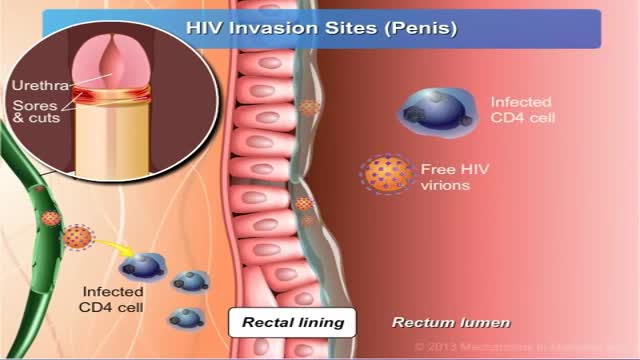

HIV is spread only in certain body fluids from a person infected with HIV. These fluids are blood, semen, pre-seminal fluids, rectal fluids, vaginal fluids, and breast milk. In the United States, HIV is spread mainly by having sex or sharing injection drug equipment, such as needles, with someone who has HIV. To reduce your risk of HIV infection, use condoms correctly every time you have vaginal, oral, or anal sex. Don’t inject drugs. If you do, use only sterile injection equipment and water and never share your equipment with others. Pre-exposure prophylaxis (PrEP) is an HIV prevention option for people who don’t have HIV but who are at high risk of becoming infected with HIV. PrEP involves taking a specific HIV medicine every day. PrEP should always be combined with other prevention options, such as condoms.
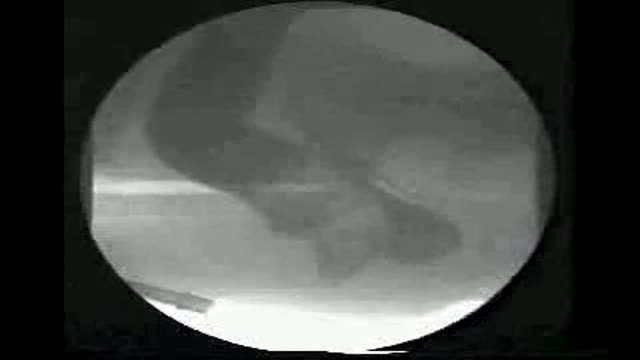
Defecography showing Rectocele

Video shows how fast patient recovers after inguinal hernia repair without mesh by Dr.Desarda technique. Patient normally can drive car and go to office within 3-4 days.No recurrence, no pain.
A STORY OF MR. DAVID FROM USA LOS ANGELES IS WORTH LISTENING:
Mr. David said that he did not wish to insert a foreign body like mesh in his body for hernia repair. He had heard from his friends and well wishers and also read and learnt from the internet about complications of a foreign body or mesh and the chances of recurrences after mesh repair. He made an immense research on the internet for any available technique of hernia repair that does not use mesh. He found to his amazement that there are only two centers all over the world which specialize in pure tissue repair of hernia. One is ‘Shouldice center’ in Canada and another is ‘Desarda Center’ in India. This is how he came to know about ‘Desarda’s Repair’ while searching on internet and liked it because it is without mesh or any foreign body and virtually free from recurrences thereafter.
David Williamson, a 37 years patient from Los Angeles, USA came to Pune to Dr. Desarda for getting operated for his groin hernia. Mr. David flew from USA and reached Mumbai and then Pune at 4AM in the morning on 7.10.2007. He was operated at 11 AM in Poona Hospital on the same day and was allowed to move out of bed and go to bathroom within 4-5 hours after surgery. He was permitted to move freely all around as and when he wanted. There were no restrictions. He was freely moving all around the ward on second day. He came down the staircase on third day with his hand bag luggage, took auto-rickshaw and went on his own to ATM centre to withdraw the money. On 4th day he went to Rajneesh Oschio Ashram and spent whole day there to attend there various course activities. A local patient is discharged from the hospital on the same day or next day morning and he is advised to attend all his routine work without any restrictions thereafter.
The story of Mr. Ted and Mr. Ron who also came to India for their hernia surgery is also similar to this story. If American surgeons had adopted this technique in their practice, many patients like David who wish to have no foreign body inserted for hernia repair could get easily operated there and could avoid this long distance journey and other hassles of going to some other country for such operation.
“Complete cure from groin hernia is now possible with Dr.Desarda's repair technique.......”
Mesh is a foreign body. Therefore, its use in hernia repairs is known to cause all sorts of complications like pain, recurrence, infection etc. We have developed an innovative new technique of inguinal hernia repair without mesh. It uses your own body muscle for repair and gives virtually complete cure from inguinal hernia problem. An undetached strip of the external oblique aponeurosis is stitched on the weak area between the muscle arch and the inguinal ligament to form a new, strong and physiologically dynamic posterior wall that gives protection and prevents re-herniation. Normally patient goes home in a day after surgery and can drive car and go to office in 3-4 days time. This "Dr.Desarda's hernia repair" is now followed in many countries all over the world. We are surprised to see the enquiries from many patients in the developed countries asking for this repair in their country. This is because this operation does not use any foreign body like mesh for repair and therefore there are no complications that are seen in mesh repairs. A visit to Topix or other hernia forums show thousands of posts showing sufferings of many patients due to mesh repairs. But still why surgeons from developed countries are interested in mesh repairs is a big question for us.
Please visit our website for more details: http://herniasurgery.tripod.com Our cell number: +91 9373322178
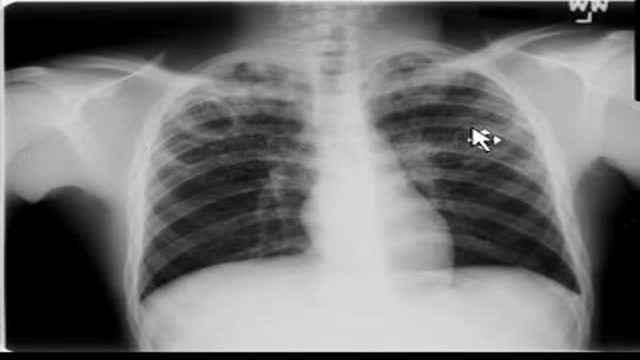
The video will show features of tuberculosis on chest x-ray. Please see disclaimer on my website www.academyofprofessionals.com
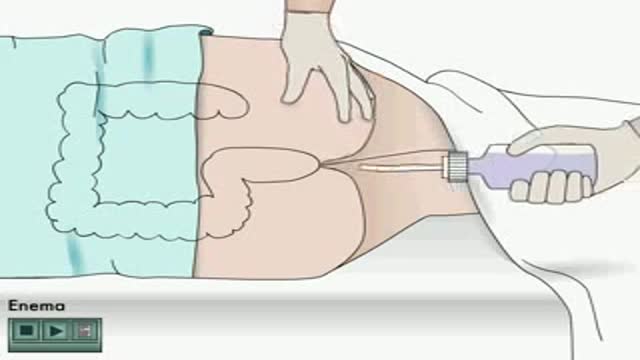
Enema how to apply Animation
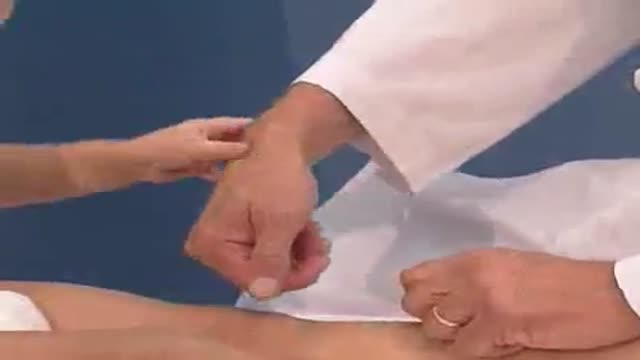

Pediatric examination of muscle strength and muscle tone
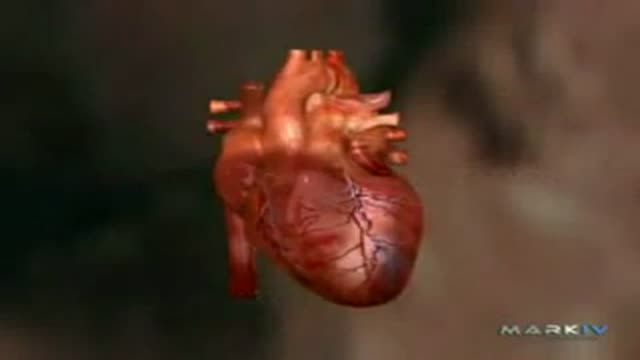
Acute Myocardial Infarction - Heart Attack
LASER SURGERY Pilonidal Cyst removal
A ventricular septal defect (VSD) is an opening or hole in the wall that separates the two lower chambers of the heart. This wall is called the ventricular septum. The hole causes oxygen-rich blood to leak from the left side of the heart to the right side. This causes extra work for the right side of the heart, since more blood than necessary is flowing through the right ventricle to the lungs.
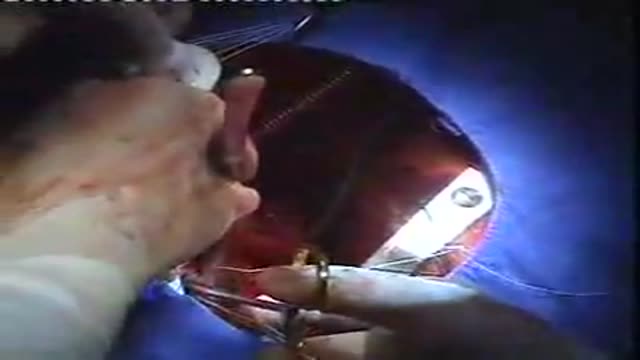
mitral valve replacement surgery
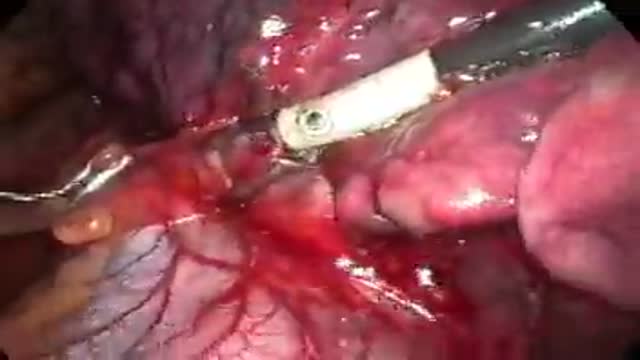
A 49-year old female patient complainig of cough. X-ray and chest CTscan showed a 2.5cm nodule in the left upper lobe. Transthoracic biopsy was consistent with adenocarcinoma. PET-Scan and CT Scan showed no mediastinal disease. The procedure was performed through three incisions.
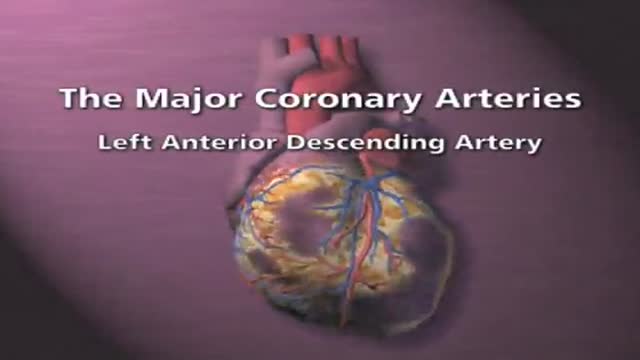
Overview of Coronary Artery Disease
Animation 3D

Ptosis is when the upper eyelid droops over the eye. The eyelid may droop just a little, or so much that it covers the pupil (the black dot at the center of your eye that lets light in). Ptosis can limit or even completely block normal vision. Children and adults can have ptosis. Fortunately, this condition can be treated to improve vision as well as appearance.
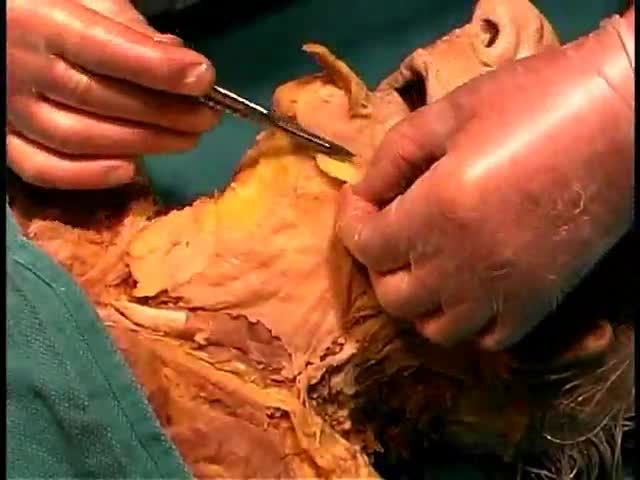
Anatomy of The Superficial Face

SCOOP transtracheal oxygen is indicated for patients with chronic hypoxemia which persists in spite of optimal medical therapy. Arterial blood gases obtained while breathing room air should show a PaO2< 55 mm Hg. SCOOP transtracheal oxygen is also indicated for patients with a PaO2 of 56-59 mm Hg ...
if they also have: 1) dependent edema suggesting congestive heart failure, 2) "P" pulmonale on EKG (P wave greater than 3mm in standard leads II, III or AVF), or 3) erythrocythemia with a hematocrit of >55%.
How to read ECG Part 2:
1-All
2-Myocardial Ischaemia
3-Ectopics, Sinus Pause
4-Atrial Arrhythmias
5-Ventricular Arrhythmia
6-A-V Block
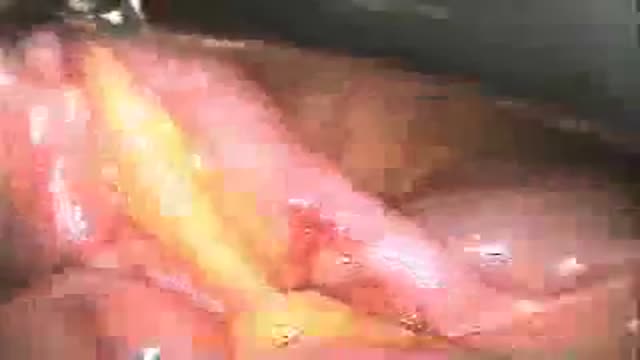
Traditionally, the appendix is removed through an incision in the right lower abdominal wall. In most laparoscopic appendectomies, surgeons operate through 3 small incisions (each ¼ to ½ inch) while watching an enlarged image of the patient's internal organs on a television monitor
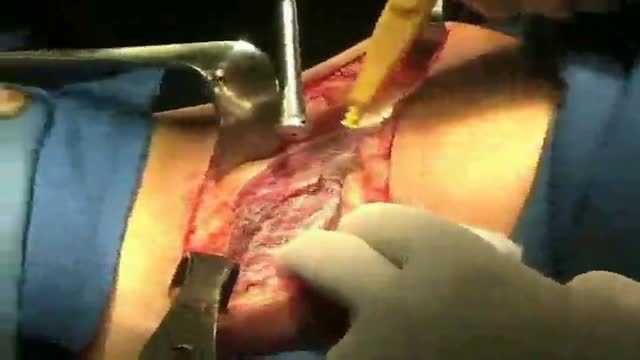
51 yr old female with right flank pain and recurrent UTI. IVP showed a UPJ calculus on the right.
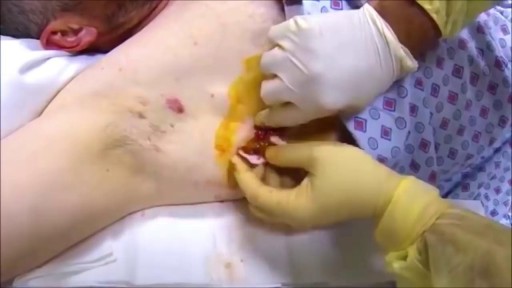
Armpit Abscess Drainage
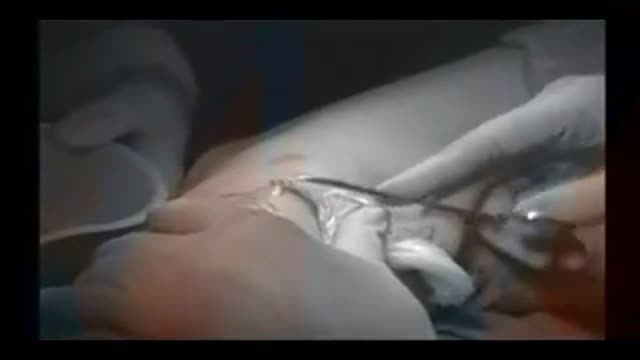
varicose vein surgery stab and avulsion technique
Medical Videos
Free medical and surgery videos for patients, students and professionals — trusted since 2007.
Founded by Dr. Mohamed Ibrahim, MD, PhD — physician-scientist.
Follow us on Facebook · Instagram