
- Physical Examination
- Surgical Examination
- Ophthalmology
- Clinical Skills
- Orthopedics
- Surgery Videos
- Laparoscopy
- Pediatrics
- Funny Videos
- Cardiothoracic Surgery
- Nursing Videos
- Plastic Surgery
- Otorhinolaryngology
- Histology and Histopathology
- Neurosurgery
- Dermatology
- Pediatric Surgery
- Urology
- Dentistry
- Oncology and Cancers
- Anatomy Videos
- Health and Fitness
- Radiology
- Anaesthesia
- Physical Therapy
- Pharmacology
- Interventional Radiology
- Cardiology
- Endocrinology
- Gynecology
- Emergency Medicine
- Psychiatry and Psychology
- Childbirth Videos
- General Medical Videos
- Nephrology
- Physiology
- Diet and Food Health
- Diabetes Mellitus
- Neurology
- Women Health
- Osteoporosis
- Gastroenterology
- Pulmonology
- Hematology
- Rheumatology
- Toxicology
- Nuclear Medicine
- Infectious Diseases
- Vascular Disease
- Reproductive Health
- Burns and Wound Healing
- Other
Top videos
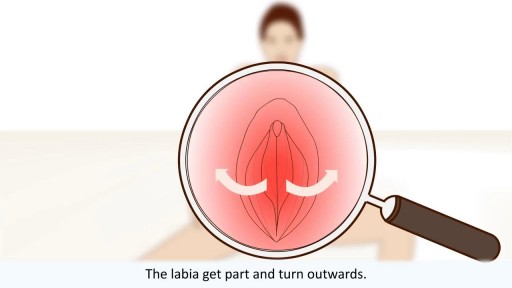

Watch that video to learn everything about the female orgasm

Robotic-assisted endoscopic thyroid surgery using the daVinci® Surgical System can safely and effectively offer those needing thyroid surgery relief without neck incisions. Dr. Ron Kuppersmith and Dr. Andrew deJong are now performing this procedure at the College Station Medical Center in Texas.

Laparoscopic Tubal Reversal of fallopian tubes after ligation
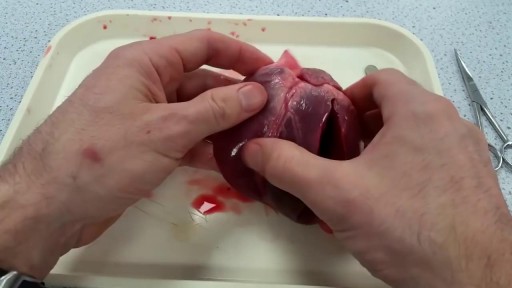
Heart dissection Explaination

Neck vessels examination,neck viens and arteries
A video of a surgery of corneal graft transplantation
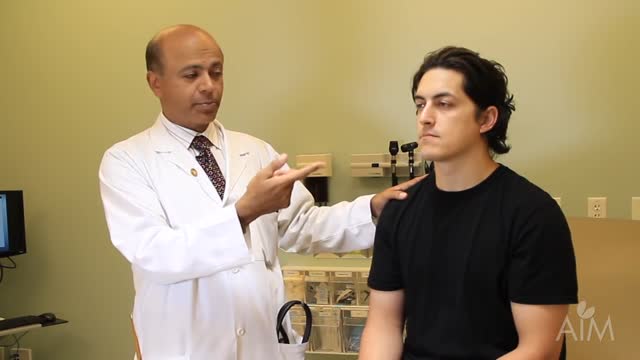
Definition. The principal signs of cerebellar dysfunction are the following: Ataxia: unsteadiness or incoordination of limbs, posture, and gait. A disorder of the control of force and timing of movements leading to abnormalities of speed, range, rhythm, starting, and stopping.

Home > Baby > Breastfeeding > Top 10 Tips for Boosting Your Breast Milk Supply Top 10 Tips for Boosting Your Breast Milk Supply COMMENTS () | PRINT A nursing mom’s biggest worry is whether or not she’s making enough milk. We’ve gathered 10 tips to help you bump up your milk production. This gallery is not intended to substitute medical advice. If you have any concerns, contact a lactation consultant or your healthcare provider immediately. 1. Nurse, Nurse, Nurse Breasts work on demand. The more your little one nurses, the more milk your body will create. When your little one is going through a growth spurt, it’s easy to fall into thinking, “my baby is so hungry I must not have enough milk.” What’s really happening is your baby is priming your body to have enough milk to support how big your baby will be after the spurt. The worst thing for your supply is to supplement with formula during a growth spurt. It can be hard to devote most of your day to nursing, but it’s the best thing for your baby, and your supply.
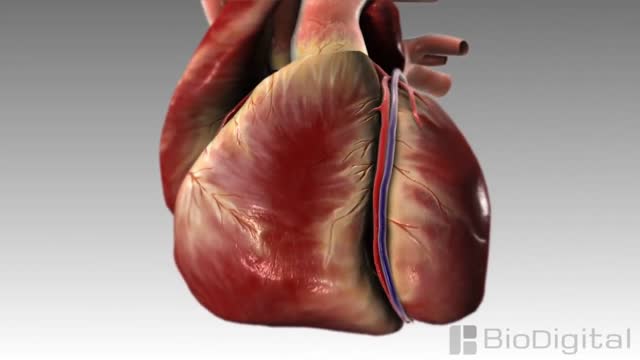
A heart attack is a frightening, confusing and stressful experience. Life after a heart attack isn’t easy, but we’re with you all the way on your journey toward recovery. Here you will find information about heart attack warning signs, risk factors, diagnosis, treatment, and life as a survivor or caregiver. You will also find heart attack tools and resources to help you get and stay healthy.
Ultrasound Guided Intravenous Peripheral Line Placement

Watch that video of Terrible Things Were Found Living Inside a Human Body
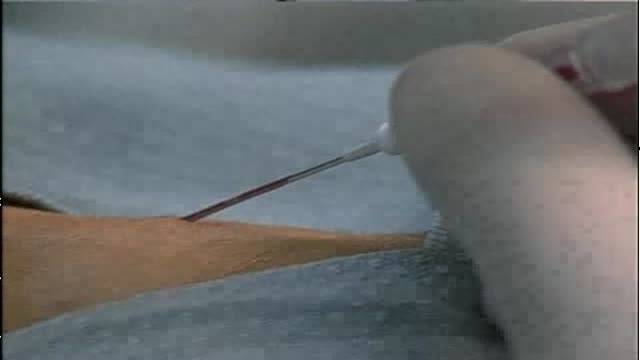
In human anatomy, the radial artery is the main blood vessel, with oxygenated blood, of the lateral aspect of the forearm.
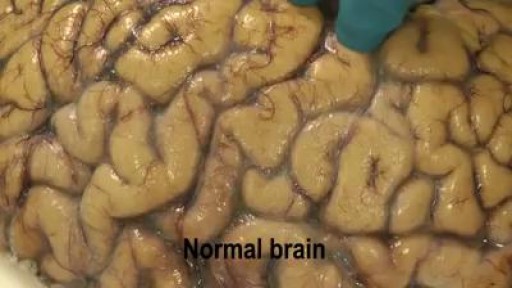
Have you ever seen Alzheimer's Brain Vs. Normal Brain?

A man gets a face transplant from a Hollywood Exec and it's caught on tape by the people of Boston Med on ABC
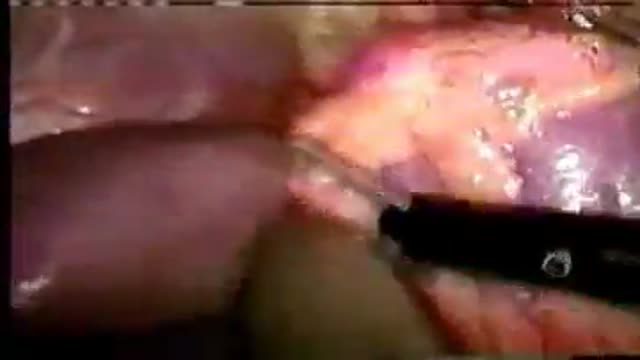
Hand Assisted Nephrectomy
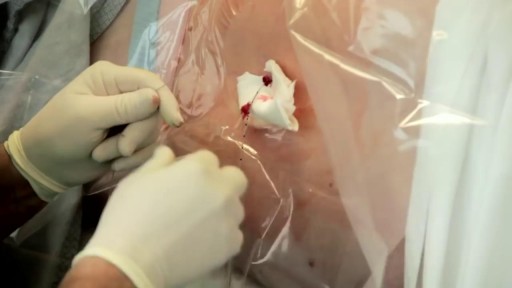
If you’re considering an epidural to help manage the pain of childbirth, you’re not alone. More than 60 percent of women delivering at hospitals elect for an epidural during labor. And with good reason: An epidural is considered one of the safest methods of pain control, with just one in 3,000 pregnancies experiencing serious complications. It’s also good for you, since you’ll remain awake and alert during the birth, as well as for your baby, since the drugs will barely reach your bloodstream (so they can’t get into hers).
The words “laparoscopic” and “open” appendectomy describes the techniques a surgeon uses to gain access to the internal surgery site. Most laparoscopic appendectomies start the same way. Using a cannula (a narrow tube-like instrument), the surgeon enters the abdomen. A laparoscope (a tiny telescope connected to a video camera) is inserted through a cannula, giving the surgeon a magnified view of the patient’s internal organs on a television monitor. Several other cannulas are inserted to allow the surgeon to work inside and remove the appendix. The entire procedure may be completed through the cannulas or by lengthening one of the small cannula incisions. A drain may be placed during the procedure. This will be removed later by your surgeon.

Spurting Gastric Varices (GOV 1), injected Cyanoacrylate (Histoacryl®).
Dr. Mohamed Abeid
From the " Endoscopy Atlas " :
http://www.facebook.com/group.php?gid=16900943915
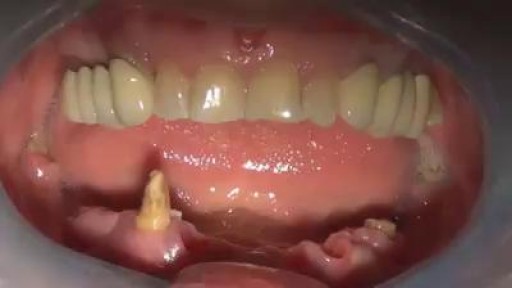
Pulling teeth with no numbing and bleeding
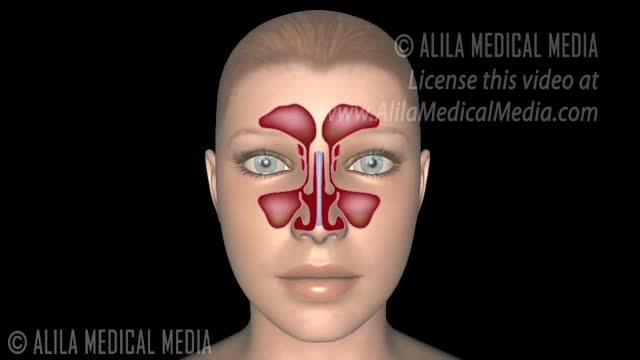
Sinusitis means your sinuses are inflamed. The cause can be an infection or another problem. Your sinuses are hollow air spaces within the bones surrounding the nose. They produce mucus, which drains into the nose. If your nose is swollen, this can block the sinuses and cause pain. There are several types of sinusitis, including Acute, which lasts up to 4 weeks Subacute, which lasts 4 to 12 weeks Chronic, which lasts more than 12 weeks and can continue for months or even years Recurrent, with several attacks within a year Acute sinusitis often starts as a cold, which then turns into a bacterial infection. Allergies, nasal problems, and certain diseases can also cause acute and chronic sinusitis. Symptoms of sinusitis can include fever, weakness, fatigue, cough, and congestion. There may also be mucus drainage in the back of the throat, called postnasal drip. Your health care professional diagnoses sinusitis based on your symptoms and an examination of your nose and face. You may also need imaging tests. Treatments include antibiotics, decongestants, and pain relievers. Using heat pads on the inflamed area, saline nasal sprays, and vaporizers can also help.
