
- Physical Examination
- Surgical Examination
- Ophthalmology
- Clinical Skills
- Orthopedics
- Surgery Videos
- Laparoscopy
- Pediatrics
- Funny Videos
- Cardiothoracic Surgery
- Nursing Videos
- Plastic Surgery
- Otorhinolaryngology
- Histology and Histopathology
- Neurosurgery
- Dermatology
- Pediatric Surgery
- Urology
- Dentistry
- Oncology and Cancers
- Anatomy Videos
- Health and Fitness
- Radiology
- Anaesthesia
- Physical Therapy
- Pharmacology
- Interventional Radiology
- Cardiology
- Endocrinology
- Gynecology
- Emergency Medicine
- Psychiatry and Psychology
- Childbirth Videos
- General Medical Videos
- Nephrology
- Physiology
- Diet and Food Health
- Diabetes Mellitus
- Neurology
- Women Health
- Osteoporosis
- Gastroenterology
- Pulmonology
- Hematology
- Rheumatology
- Toxicology
- Nuclear Medicine
- Infectious Diseases
- Vascular Disease
- Reproductive Health
- Burns and Wound Healing
- Kidney Zone Podcast
- Other


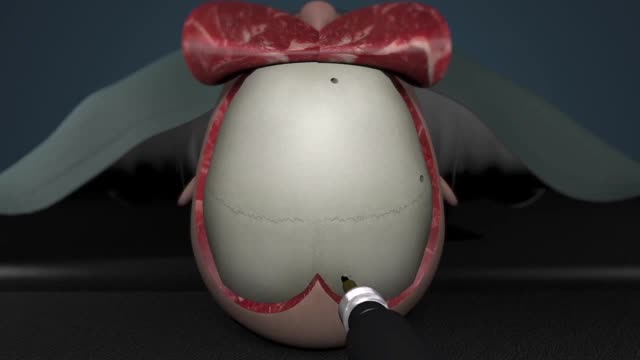





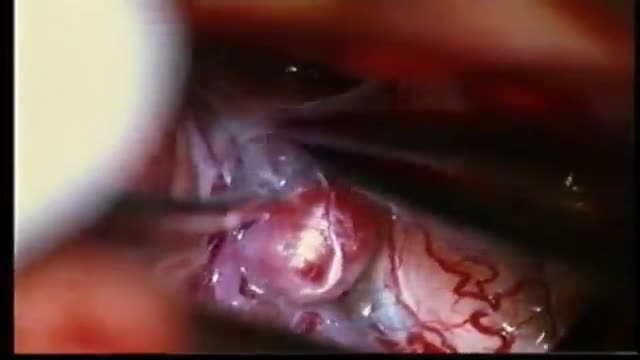
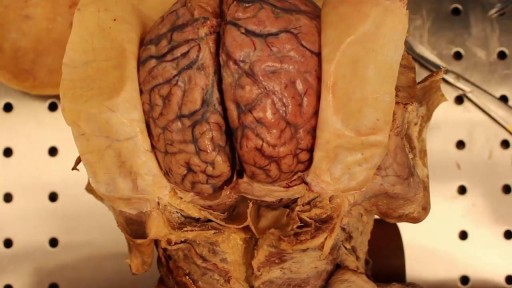


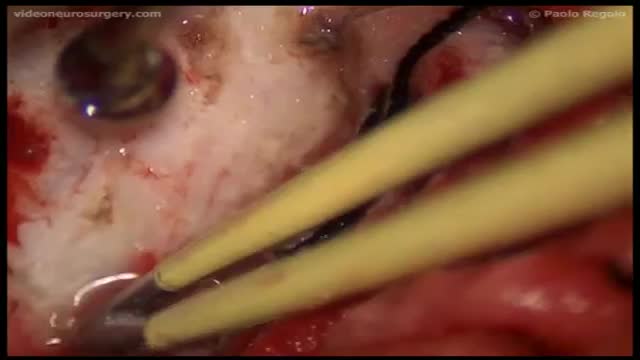
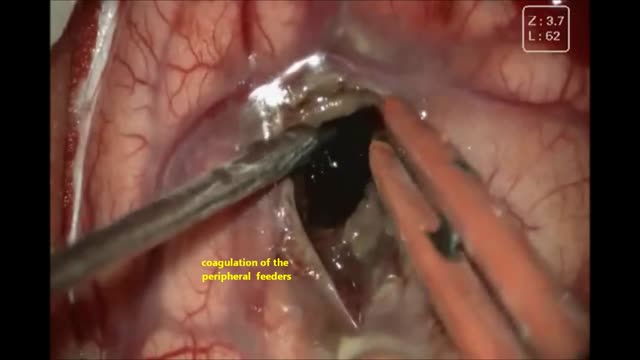
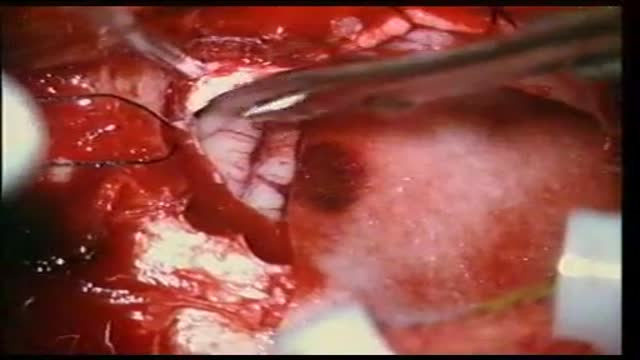

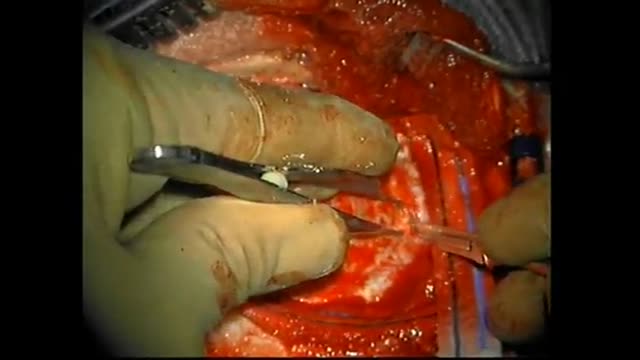


cauda equina schwannoma

Educational only: videos on MedicalVideos.com are for general information and are not medical advice. Always consult your own doctor about your health.
Schwannomas are usually located in the angle between the cerebellum and the pons, in the back of the skull (the posterior fossa). Description Schwannomas are usually very slow-growing. Symptoms Common symptoms of Schwannoma are one-sided hearing loss and buzzing or ringing in the ear. Dizziness may also occur, although it is less common. If the tumor affects the facial nerve (the 7th cranial nerve, which is located next to the 8th cranial nerve), facial paralysis may occur. Other symptoms include difficulty in swallowing, impaired eye movement, taste disturbances, and unsteadiness. Incidence Schwannomas account for about 8% of all primary brain tumors. They typically occur in middle-aged adults, and females are twice as likely as males to have this tumor. Cause Like many tumor types, the exact cause of Schwannoma is not known. However, it is believed to occur when there is a defect in a gene that normally prevents tumors from forming. Treatment Total removal using microsurgical techniques is often possible. Stereotactic radiosurgery may be used as an alternative to surgery in some patients.
This video in 30 seconds
This video presents schwannoma information under the title of a cauda equina schwannoma. The description gives a general overview of schwannomas as usually very slow-growing tumors, commonly located in the angle between the cerebellum and the pons, with symptoms including one-sided hearing loss, ringing in the ear and dizziness, and covers treatment by total removal using microsurgical techniques, with stereotactic radiosurgery as an alternative in some patients.
Key points
- Describes schwannomas as usually very slow-growing tumors
- Covers common symptoms including one-sided hearing loss and ringing in the ear
- Notes facial nerve involvement and other symptoms as described
- Covers total removal by microsurgical techniques and stereotactic radiosurgery as an alternative
Video Overview
This video presents “cauda equina schwannoma” — Schwannomas are usually located in the angle between the cerebellum and the pons, in the back of the skull (the posterior fossa). Description Schwannomas are usually very slow-growing. Symptoms Common symptoms of Schwannoma are. Whether you are preparing for a procedure, studying the technique, or learning how a condition is assessed, the recording shows the process as it is performed in practice.
Other: part of the MedicalVideos.com library of free educational medical and surgery videos. Browse this category →
Educational content only — not a substitute for professional medical advice.
Medical Videos
Free medical and surgery videos for patients, students and professionals — trusted since 2007.
Founded by Dr. Mohamed Ibrahim, MD, PhD — physician-scientist.
Follow us on Facebook · Instagram
SORT BY-
Top Comments
-
Latest comments