
- Physical Examination
- Surgical Examination
- Ophthalmology
- Clinical Skills
- Orthopedics
- Surgery Videos
- Laparoscopy
- Pediatrics
- Funny Videos
- Cardiothoracic Surgery
- Nursing Videos
- Plastic Surgery
- Otorhinolaryngology
- Histology and Histopathology
- Neurosurgery
- Dermatology
- Pediatric Surgery
- Urology
- Dentistry
- Oncology and Cancers
- Anatomy Videos
- Health and Fitness
- Radiology
- Anaesthesia
- Physical Therapy
- Pharmacology
- Interventional Radiology
- Cardiology
- Endocrinology
- Gynecology
- Emergency Medicine
- Psychiatry and Psychology
- Childbirth Videos
- General Medical Videos
- Nephrology
- Physiology
- Diet and Food Health
- Diabetes Mellitus
- Neurology
- Women Health
- Osteoporosis
- Gastroenterology
- Pulmonology
- Hematology
- Rheumatology
- Toxicology
- Nuclear Medicine
- Infectious Diseases
- Vascular Disease
- Reproductive Health
- Burns and Wound Healing
- Kidney Zone Podcast
- Other







Hernia

Educational only: videos on MedicalVideos.com are for general information and are not medical advice. Always consult your own doctor about your health.
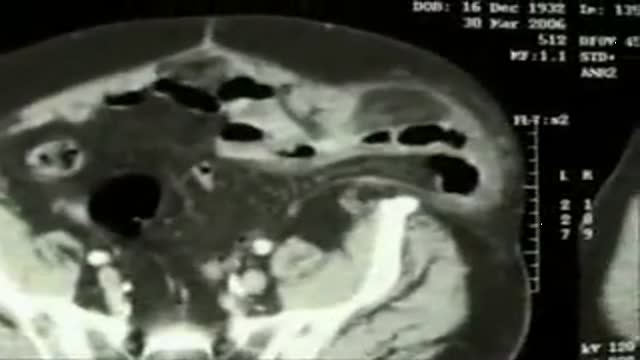
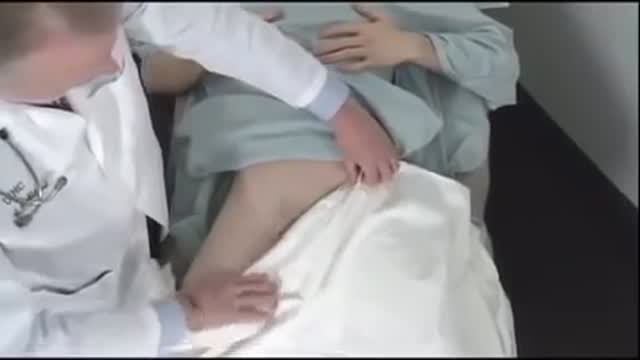
A hernia occurs when an organ or fatty tissue squeezes through a weak spot in a surrounding muscle or connective tissue called fascia. The most common types of hernia are inguinal (inner groin), incisional (resulting from an incision), femoral (outer groin), umbilical (belly button), and hiatal (upper stomach).
This video in 30 seconds
This patient-information narration explains hernias, centred on the inguinal hernia in the groin. It describes how tissue pushes through a weakness in the muscle wall, why strangulation of trapped tissue is an emergency, and the surgical options of open repair reinforced with mesh or laparoscopic keyhole repair. It also notes the small possibility of the hernia returning after surgery.
Key points
- A hernia is described as tissue bulging through a weakness in the muscle wall
- The inguinal hernia in the groin is presented as the most common form
- Strangulation, where blood supply to trapped tissue is cut off, is described as an emergency
- Open repair reinforced with mesh is described
- Laparoscopic keyhole repair and the possibility of recurrence are discussed
Chapters
- 0:03 — What a hernia is
- 0:19 — The inguinal hernia
- 0:50 — Strangulation as an emergency
- 1:05 — Surgical treatment options
- 1:29 — Keyhole repair and recurrence
Video Transcript
A patient-information narration about hernias, centred on the inguinal hernia. It explains how a hernia forms, why strangulation of the trapped tissue is an emergency, and the surgical options — open repair reinforced with mesh, or laparoscopic keyhole repair — along with the small risk of the hernia coming back.
Read the full transcript
When part of the inside of the body pushes through a weakness in the surrounding muscle or tissue wall, it can cause a bulge under the skin. This is a hernia.
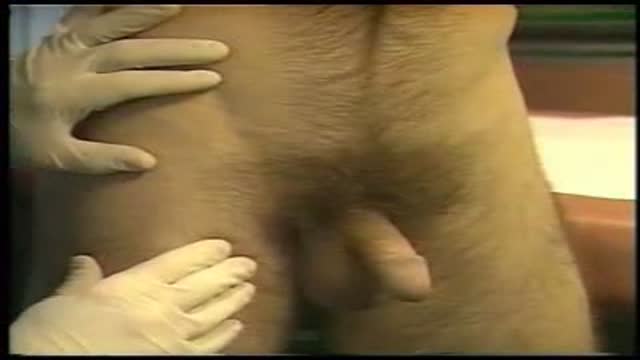
Hernias are usually found in the abdomen. The most common form is known as an inguinal hernia, where part of the bowel pushes through a weakness in the groin, called the inguinal canal. This is a passageway from the abdomen to the scrotum. Inguinal hernias mostly affect men and are increasingly commonly older you get. However, they can also affect infant boys.
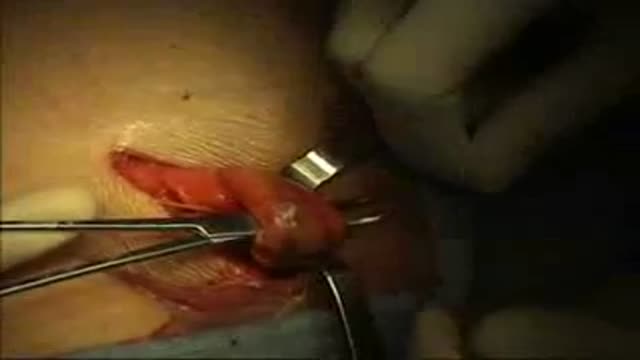
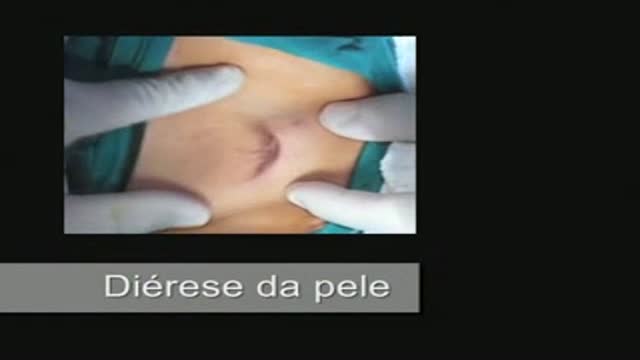
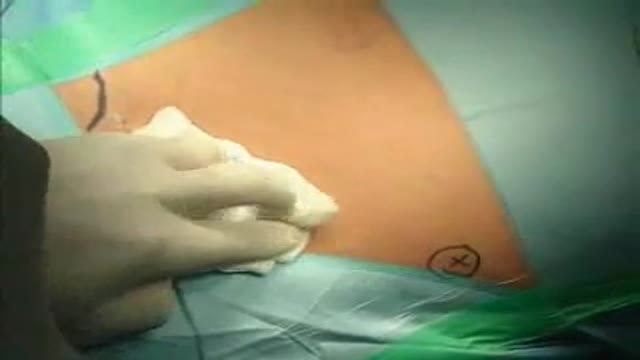
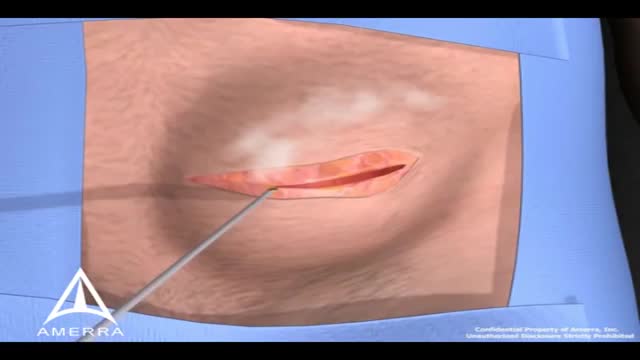
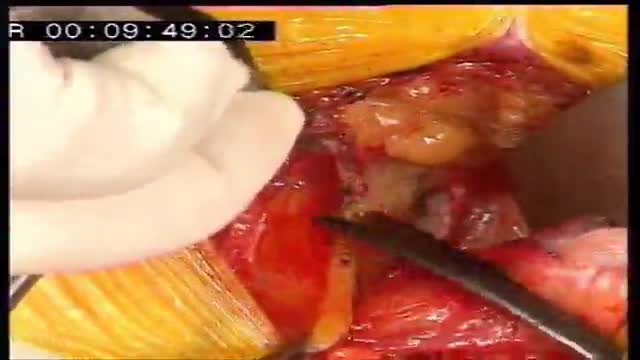
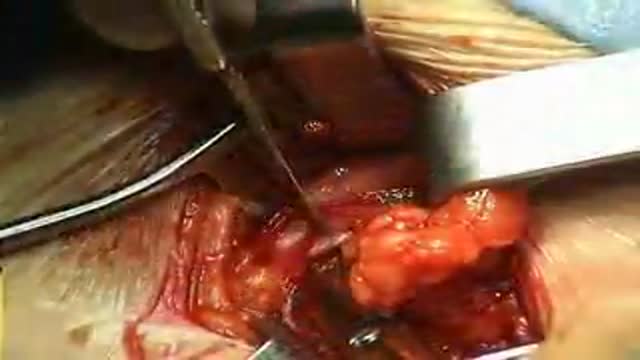
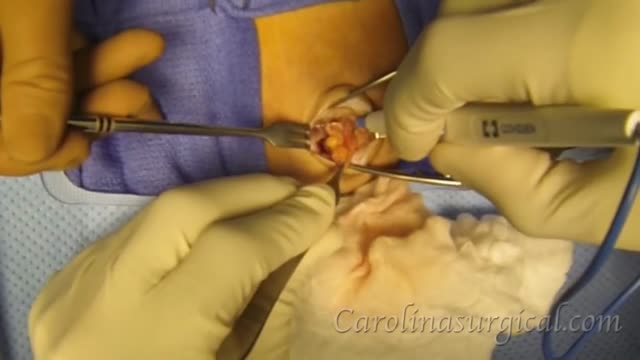
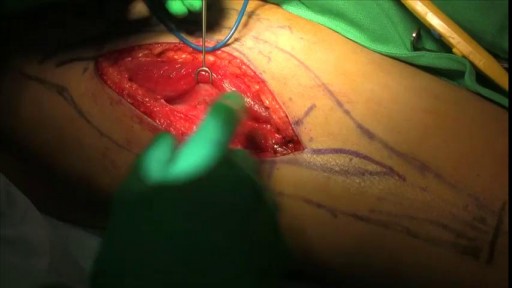
Untreated hernias usually get bigger and more painful with time, especially when lifting. Eventually, the muscle around the hernia may become so tight that the blood supply to the tissues inside the hernia is cut off. This is known as strangulation and requires emergency surgery. Hernia treatment usually involves some form of surgical operation and your doctor may give you an option between open or keyhole surgery. In open surgery, your surgeon will make a cut in your groin and push the bulge back through the weak spot. The muscle wall is then reinforced with a mesh patch.
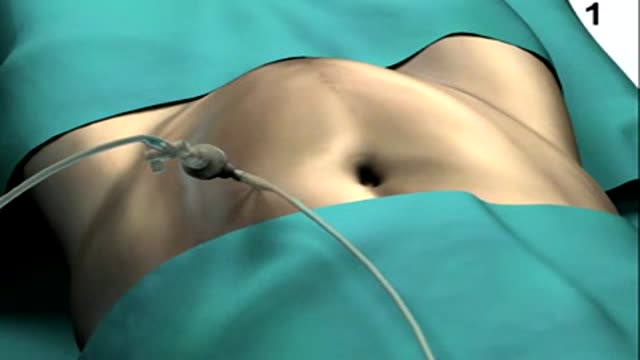
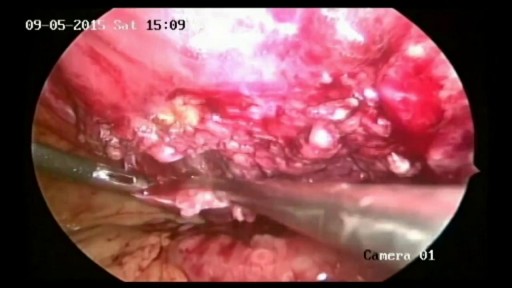
In keyhole or laparoscopic surgery, your surgeon will make smaller cuts and use special instruments to repair the hernia. There are two main types of laparoscopic surgery. In one, the muscular weakness is repaired by inserting mesh through the lining of the abdominal wall. The other form of keyhole surgery repairs the muscular weakness without going through this lining. After surgery, there is a chance that your inguinal hernia may come back. However, the risk is very small.
Transcript auto-generated from the video’s audio for accessibility and study. Educational content only — not medical advice.
Video Overview
From our Anatomy Videos collection: Anatomy videos: 3D human anatomy, dissections and body systems explained clearly for medical students and curious minds. Browse all Anatomy Videos videos →
Medical Videos
Free medical and surgery videos for patients, students and professionals — trusted since 2007.
Founded by Dr. Mohamed Ibrahim, MD, PhD — physician-scientist.
Follow us on Facebook · Instagram
SORT BY-
Top Comments
-
Latest comments