- Physical Examination
- Surgical Examination
- Ophthalmology
- Clinical Skills
- Orthopedics
- Surgery Videos
- Laparoscopy
- Pediatrics
- Funny Videos
- Cardiothoracic Surgery
- Nursing Videos
- Plastic Surgery
- Otorhinolaryngology
- Histology and Histopathology
- Neurosurgery
- Dermatology
- Pediatric Surgery
- Urology
- Dentistry
- Oncology and Cancers
- Anatomy Videos
- Health and Fitness
- Radiology
- Anaesthesia
- Physical Therapy
- Pharmacology
- Interventional Radiology
- Cardiology
- Endocrinology
- Gynecology
- Emergency Medicine
- Psychiatry and Psychology
- Childbirth Videos
- General Medical Videos
- Nephrology
- Physiology
- Diet and Food Health
- Diabetes Mellitus
- Neurology
- Women Health
- Osteoporosis
- Gastroenterology
- Pulmonology
- Hematology
- Rheumatology
- Toxicology
- Nuclear Medicine
- Infectious Diseases
- Vascular Disease
- Reproductive Health
- Burns and Wound Healing
- Kidney Zone Podcast
- Other
Sebaceous Glands
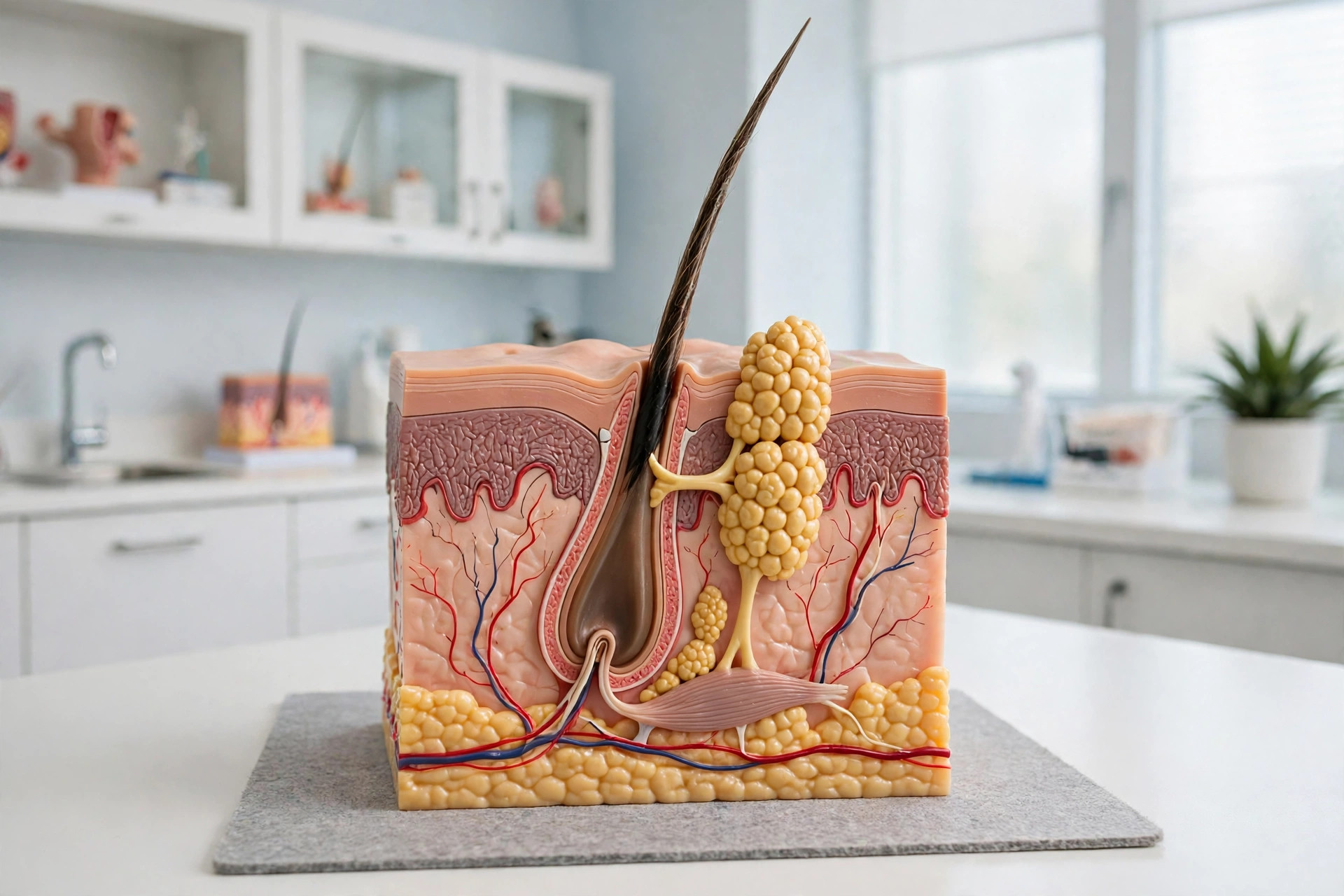
AI-generated anatomical illustration
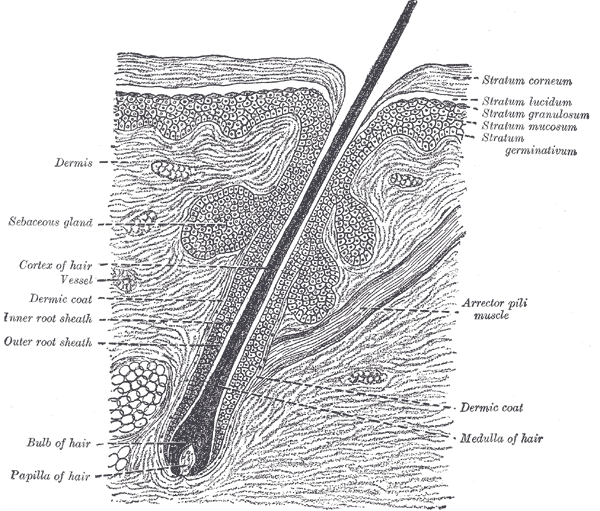
Sebaceous glands are the skin's oil glands, opening into hair follicles over most of the body (and directly onto the surface of the lips and eyelids). They secrete sebum — a mixture of lipids — by disintegrating their own cells; sebum waterproofs the skin and hair, keeps them supple and mildly inhibits bacteria and fungi. The glands are most numerous and largest on the face, scalp and upper back, and they switch on under androgen hormones at puberty.
Key facts
- Sebum production peaks in adolescence and declines gradually with age, more steeply in women after menopause.
- The glands on the eyelid rim (meibomian glands) oil the tear film and slow its evaporation.
- Blocked glands form the whiteheads and blackheads of acne when combined with a plug of dead skin.
- Newborns may have enlarged glands from maternal hormones — the tiny white spots called milia.
What can go wrong
Overactive, blocked sebaceous glands are at the centre of acne, where sebum, dead cells and Cutibacterium acnes inflame the follicle. Enlarged glands in older skin (sebaceous hyperplasia) form harmless yellowish bumps often mistaken for skin cancer. Inflamed eyelid glands cause styes and chalazia; dysfunctional meibomian glands are a major cause of dry eyes.
Related procedures & tests
Related symptoms
Frequently asked questions
Is oily skin a sign of poor hygiene?
No — sebum output is set by hormones and genetics, not cleanliness; over-washing can irritate skin and worsen acne by damaging the barrier.
What is a chalazion?
A firm lump in the eyelid from a blocked meibomian (oil) gland whose contents inflame the surrounding tissue; many settle with warm compresses over weeks.
Educational information only. This atlas explains normal anatomy and describes conditions in general terms; it is not medical advice and does not replace assessment by a qualified clinician. If you have symptoms that worry you, seek medical care.