
- Physical Examination
- Surgical Examination
- Ophthalmology
- Clinical Skills
- Orthopedics
- Surgery Videos
- Laparoscopy
- Pediatrics
- Funny Videos
- Cardiothoracic Surgery
- Nursing Videos
- Plastic Surgery
- Otorhinolaryngology
- Histology and Histopathology
- Neurosurgery
- Dermatology
- Pediatric Surgery
- Urology
- Dentistry
- Oncology and Cancers
- Anatomy Videos
- Health and Fitness
- Radiology
- Anaesthesia
- Physical Therapy
- Pharmacology
- Interventional Radiology
- Cardiology
- Endocrinology
- Gynecology
- Emergency Medicine
- Psychiatry and Psychology
- Childbirth Videos
- General Medical Videos
- Nephrology
- Physiology
- Diet and Food Health
- Diabetes Mellitus
- Neurology
- Women Health
- Osteoporosis
- Gastroenterology
- Pulmonology
- Hematology
- Rheumatology
- Toxicology
- Nuclear Medicine
- Infectious Diseases
- Vascular Disease
- Reproductive Health
- Burns and Wound Healing
- Kidney Zone Podcast
- Other
Addison's Disease
Addison's disease is a condition in which the adrenal glands do not make enough cortisol and usually not enough aldosterone, two hormones the body needs every day. This page explains its symptoms, causes, and treatment in plain language, with videos to help.
✓ Medically reviewed by Dr. Mohamed Ibrahim, MD, PhD — physician-scientist · Last reviewed: November 2026
In short: In Addison's disease, damaged adrenal glands underproduce cortisol and aldosterone, causing tiredness, weight loss, low blood pressure, and salt craving. It is treated with daily hormone replacement. Illness or missed doses can trigger a dangerous adrenal crisis needing emergency treatment.
Watch: Addison's Disease videos


Read: the plain-language guide
Overview
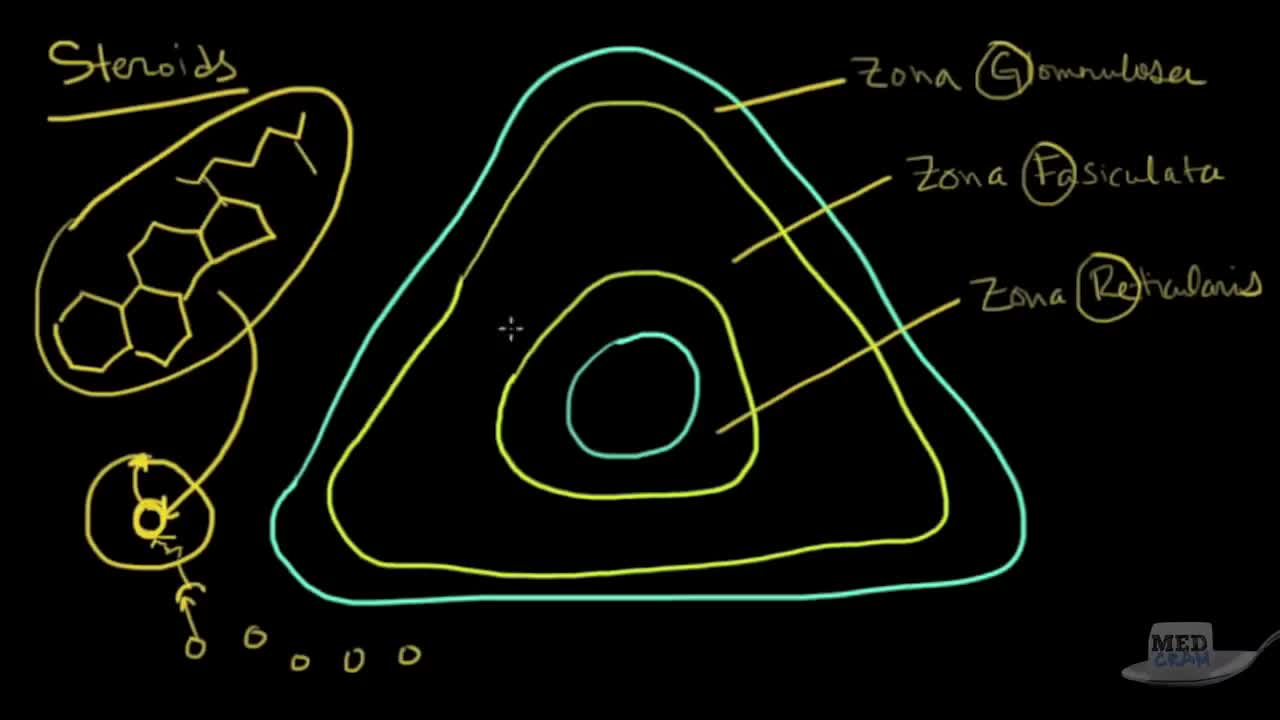
The adrenal glands sit above the kidneys and produce hormones that regulate energy, blood pressure, salt and water balance, and the stress response. In Addison's disease, the outer part of the glands is damaged and hormone output falls. Symptoms build slowly over months, which makes early recognition difficult, because tiredness and weight loss have many causes. With daily replacement of the missing hormones, most people live a normal lifespan and stay active. The condition requires lifelong treatment and careful planning for illness, surgery, and other physical stress.
Symptoms
Persistent tiredness and muscle weakness are common, along with loss of appetite, weight loss, nausea, abdominal discomfort, and sometimes diarrhea. Low blood pressure can cause dizziness on standing, and craving for salty foods is a characteristic clue. Skin may darken, including in scars, skin creases, and inside the mouth, because the pituitary signal that rises when cortisol is low also stimulates pigment. Low mood, irritability, joint aches, and loss of body hair in women may occur. Symptoms often worsen noticeably during infections or other illnesses.
Causes & risk factors
The most common cause in many countries is autoimmune damage, in which the immune system gradually destroys the adrenal cortex. Infections such as tuberculosis historically caused many cases and still do in some regions. Other causes include bleeding into the glands, cancer spread, certain medicines that block hormone production, and inherited conditions affecting the glands. Addison's disease can occur alongside other autoimmune conditions, such as thyroid disease, vitiligo, or type one diabetes. Sudden withdrawal after long term steroid treatment causes a related insufficiency, managed differently from gland damage itself.
How it's diagnosed
Doctors consider Addison's disease when tiredness, weight loss, low blood pressure, and skin darkening occur together. Blood tests typically show low cortisol alongside a high pituitary signal hormone, and may reveal low sodium, high potassium, and low blood sugar. A stimulation test, in which cortisol is measured before and after a synthetic signal hormone, confirms whether the glands can respond. Tests for autoimmune antibodies and imaging of the glands help find the cause. Because a crisis can develop during assessment, treatment may start before every result is available.
Treatment overview
Treatment replaces the missing hormones with daily tablets: a glucocorticoid for cortisol and usually a mineralocorticoid for aldosterone, taken for life. Doses are adjusted using symptoms, blood pressure, and blood tests, and most people feel substantially better once replacement is established. During fever, infection, injury, or surgery, the body needs extra cortisol, so patients are taught sick day rules to increase doses and seek help early. Carrying steroid emergency information and an emergency injection kit, where provided, is standard safety advice from specialist teams.
When to seek care
An adrenal crisis is an emergency: severe weakness, vomiting, abdominal pain, confusion, dizziness, or collapse in someone with Addison's disease needs emergency care and urgent steroid treatment. Do not wait for symptoms to pass, and tell emergency staff immediately that the person has adrenal insufficiency.
Frequently asked questions
What is an adrenal crisis?
An adrenal crisis is a life threatening worsening of adrenal insufficiency, usually triggered by infection, injury, surgery, or missed hormone doses. It causes severe weakness, vomiting, abdominal pain, low blood pressure, confusion, or collapse, and needs emergency steroid treatment in hospital without delay.
Can people with Addison's disease live a normal life?
With daily hormone replacement, regular follow up, and a clear plan for increasing doses during illness, most people with Addison's disease work, exercise, travel, and live a normal lifespan. The key skills are never missing doses and acting early when unwell.
Why does the skin darken in Addison's disease?
When cortisol is low, the pituitary gland releases more of its signal hormone, and that signal also stimulates the skin pigment cells. The resulting darkening often shows in scars, skin creases, gums, and areas exposed to the sun, and it fades gradually with treatment.
What should happen when someone with Addison's disease gets ill?
Fever, infection, vomiting, or injury increases the body's need for cortisol, so replacement doses are usually increased following the sick day plan agreed with the specialist team. Vomiting that prevents keeping tablets down, worsening weakness, or dizziness needs urgent medical help.
More in Hormones & Metabolism
Related topics on MedicalVideos.com
Sources & further reading
Authoritative references for readers who want to go deeper:
This page is for general education only and is not medical advice. Vomiting, severe weakness, or collapse in someone with Addison's disease may be an adrenal crisis and needs emergency steroid treatment, not watchful waiting at home.