
- Physical Examination
- Surgical Examination
- Ophthalmology
- Clinical Skills
- Orthopedics
- Surgery Videos
- Laparoscopy
- Pediatrics
- Funny Videos
- Cardiothoracic Surgery
- Nursing Videos
- Plastic Surgery
- Otorhinolaryngology
- Histology and Histopathology
- Neurosurgery
- Dermatology
- Pediatric Surgery
- Urology
- Dentistry
- Oncology and Cancers
- Anatomy Videos
- Health and Fitness
- Radiology
- Anaesthesia
- Physical Therapy
- Pharmacology
- Interventional Radiology
- Cardiology
- Endocrinology
- Gynecology
- Emergency Medicine
- Psychiatry and Psychology
- Childbirth Videos
- General Medical Videos
- Nephrology
- Physiology
- Diet and Food Health
- Diabetes Mellitus
- Neurology
- Women Health
- Osteoporosis
- Gastroenterology
- Pulmonology
- Hematology
- Rheumatology
- Toxicology
- Nuclear Medicine
- Infectious Diseases
- Vascular Disease
- Reproductive Health
- Burns and Wound Healing
- Kidney Zone Podcast
- Other
Cushing Syndrome
Cushing syndrome is a condition in which the body is exposed to too much cortisol, a hormone made by the adrenal glands, for too long. This page explains its symptoms, causes, and treatment in plain language, with videos to help you follow the key points.
✓ Medically reviewed by Dr. Mohamed Ibrahim, MD, PhD — physician-scientist · Last reviewed: November 2026
In short: Excess cortisol in Cushing syndrome changes body shape, skin, muscles, bones, blood pressure, and blood sugar over time. The most common cause is steroid medicine taken for other conditions. Finding and treating the source usually improves many features, although recovery can be gradual.
Watch: Cushing Syndrome videos


Read: the plain-language guide
Overview
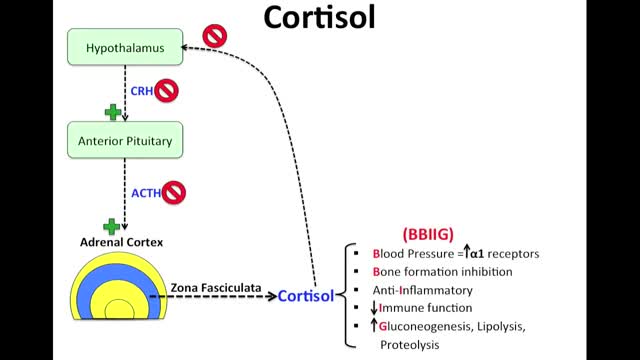
Cortisol helps the body respond to stress, maintain blood pressure, and regulate how energy from food is stored and used. Levels normally follow a daily rhythm, guided by signals from the pituitary gland to the adrenal glands. In Cushing syndrome, that control is lost or overridden, and tissues are exposed to excess hormone for months or longer. Weight distribution, skin, muscle strength, mood, and immunity are all affected. The pattern develops gradually, so changes are sometimes attributed to ordinary weight gain.
Symptoms
Weight tends to collect around the abdomen, face, and upper back, while the arms and legs may look thinner from muscle loss. The skin becomes thin and bruises easily, and wide purple stretch marks may appear on the abdomen, thighs, or breasts. Other features include a rounded face, acne, excess hair growth in women, weakness climbing stairs or rising from a chair, tiredness, and low mood. Blood pressure and blood sugar often rise, periods may become irregular, and infections may occur more easily or heal slowly.
Causes & risk factors
The most common cause overall is long term use of corticosteroid medicines, prescribed for conditions such as asthma, arthritis, and immune disorders, which act like cortisol in the body. Less commonly, the body itself makes too much cortisol. A usually benign pituitary tumor can overproduce the signal hormone that drives the adrenals, a pattern called Cushing disease. Tumors of an adrenal gland, or rarely tumors elsewhere that mimic the pituitary signal, can also be responsible. Distinguishing these sources is essential because treatment differs for each one.
How it's diagnosed
Diagnosis begins with tests confirming that cortisol is truly excessive, since symptoms overlap with common conditions. Urine collected over a full day, late night saliva samples, and blood tests after a small dose of a steroid medicine are standard approaches, often repeated to confirm the pattern. Once excess is proven, blood levels of the pituitary signal hormone help locate the source. Imaging of the pituitary and adrenal glands follows, and specialist testing is sometimes needed. Reviewing all prescribed and non prescribed steroid exposure is an essential early step.
Treatment overview
Treatment aims to return cortisol to a healthy level and address complications such as high blood pressure, diabetes, and bone thinning. When steroid medicine is the cause, the prescriber may reduce or change it carefully, never stopping it abruptly without advice. Tumors are usually treated with surgery to remove the pituitary or adrenal source where feasible, sometimes followed by radiotherapy or medicines that reduce cortisol production or block its effects. Recovery takes time, and replacement cortisol may be needed while the body readjusts its own production under specialist supervision.
When to seek care
Seek prompt care for severe infection, uncontrolled blood sugar, chest pain, breathlessness, leg swelling with pain, or sudden severe low mood in someone with Cushing syndrome. People reducing long term steroid treatment who develop vomiting, severe weakness, dizziness, or collapse need urgent assessment for adrenal insufficiency.
Frequently asked questions
What is the difference between Cushing syndrome and Cushing disease?
Cushing syndrome is the general term for illness caused by too much cortisol from any source, including steroid medicines and adrenal tumors. Cushing disease is the specific form caused by a pituitary tumor that overproduces the hormone signal driving the adrenal glands.
Can steroid medicines cause Cushing syndrome?
Long term corticosteroid treatment is the most common cause of Cushing syndrome, because these medicines act like cortisol in the body. Anyone prescribed them should not stop suddenly; dose changes need medical supervision because the body may temporarily be unable to make enough cortisol.
Do the body changes reverse after treatment?
Many features improve once cortisol returns to normal, including weight distribution, blood pressure, blood sugar, and skin changes, although recovery is gradual and muscle strength takes time to rebuild. Some effects, such as bone thinning, need separate monitoring and treatment during recovery.
Why are several tests needed to diagnose it?
Symptoms overlap with common problems such as ordinary weight gain and high blood pressure, and cortisol naturally varies through the day and with illness or stress. Repeating complementary tests confirms genuine excess and helps locate the source before surgery or other treatment is planned.
More in Hormones & Metabolism
Related topics on MedicalVideos.com
Sources & further reading
Authoritative references for readers who want to go deeper:
This page is for general education only and is not medical advice. Never stop long term corticosteroid medicine suddenly because of concern about Cushing syndrome; abrupt withdrawal can trigger a dangerous drop in cortisol and needs a supervised plan.