
- Physical Examination
- Surgical Examination
- Ophthalmology
- Clinical Skills
- Orthopedics
- Surgery Videos
- Laparoscopy
- Pediatrics
- Funny Videos
- Cardiothoracic Surgery
- Nursing Videos
- Plastic Surgery
- Otorhinolaryngology
- Histology and Histopathology
- Neurosurgery
- Dermatology
- Pediatric Surgery
- Urology
- Dentistry
- Oncology and Cancers
- Anatomy Videos
- Health and Fitness
- Radiology
- Anaesthesia
- Physical Therapy
- Pharmacology
- Interventional Radiology
- Cardiology
- Endocrinology
- Gynecology
- Emergency Medicine
- Psychiatry and Psychology
- Childbirth Videos
- General Medical Videos
- Nephrology
- Physiology
- Diet and Food Health
- Diabetes Mellitus
- Neurology
- Women Health
- Osteoporosis
- Gastroenterology
- Pulmonology
- Hematology
- Rheumatology
- Toxicology
- Nuclear Medicine
- Infectious Diseases
- Vascular Disease
- Reproductive Health
- Burns and Wound Healing
- Kidney Zone Podcast
- Other
Alzheimer's Disease
Alzheimer's disease is the most common cause of dementia, a decline in memory and thinking that interferes with daily life. It develops gradually and worsens over time. This guide explains Alzheimer's symptoms, causes, diagnosis and care in plain language, with videos to help families understand what to expect.
✓ Medically reviewed by Dr. Mohamed Ibrahim, MD, PhD — physician-scientist · Last reviewed: November 2026
In short: Alzheimer's disease damages brain cells over time, causing progressive problems with memory, thinking, language and eventually everyday tasks. It is not a normal part of aging. There is no cure yet, but medicines and supportive care can help some symptoms, and planning ahead helps.
Watch: Alzheimer's Disease videos



Read: the plain-language guide
Overview
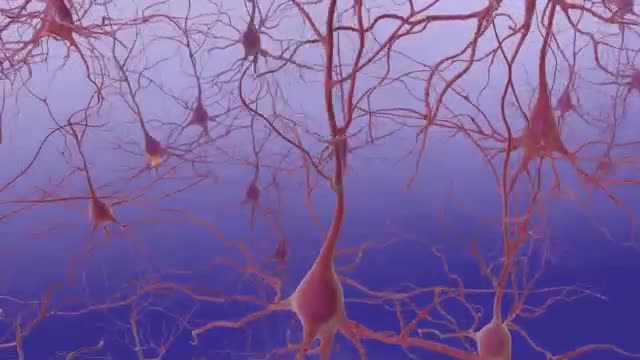
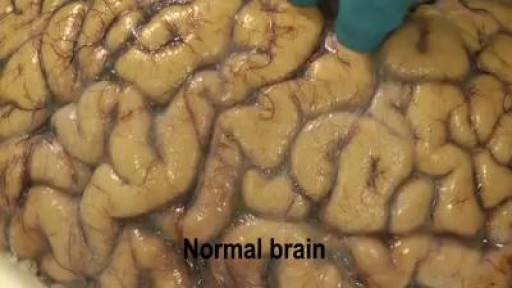
In Alzheimer's disease, abnormal protein deposits build up in the brain, and brain cells gradually lose their connections and die. Changes usually begin years before symptoms appear, often in areas involved in memory. Early on, a person may repeat questions, misplace things or struggle to find words, while still managing many daily activities. Over time, difficulties grow: getting lost in familiar places, trouble handling money, and changes in mood or behavior. Later, people need help with basic care.
Symptoms
The most common early symptom is difficulty remembering recent events or conversations, beyond ordinary forgetfulness. Other signs include trouble planning or solving problems, confusion about time or place, difficulty completing familiar tasks, and problems with language, such as stopping mid-sentence. Misplacing items without being able to retrace steps, poor judgment, withdrawal from social activities, and changes in mood or personality can also occur. Getting lost in a familiar neighborhood is more concerning than ordinary forgetfulness.
Causes & risk factors
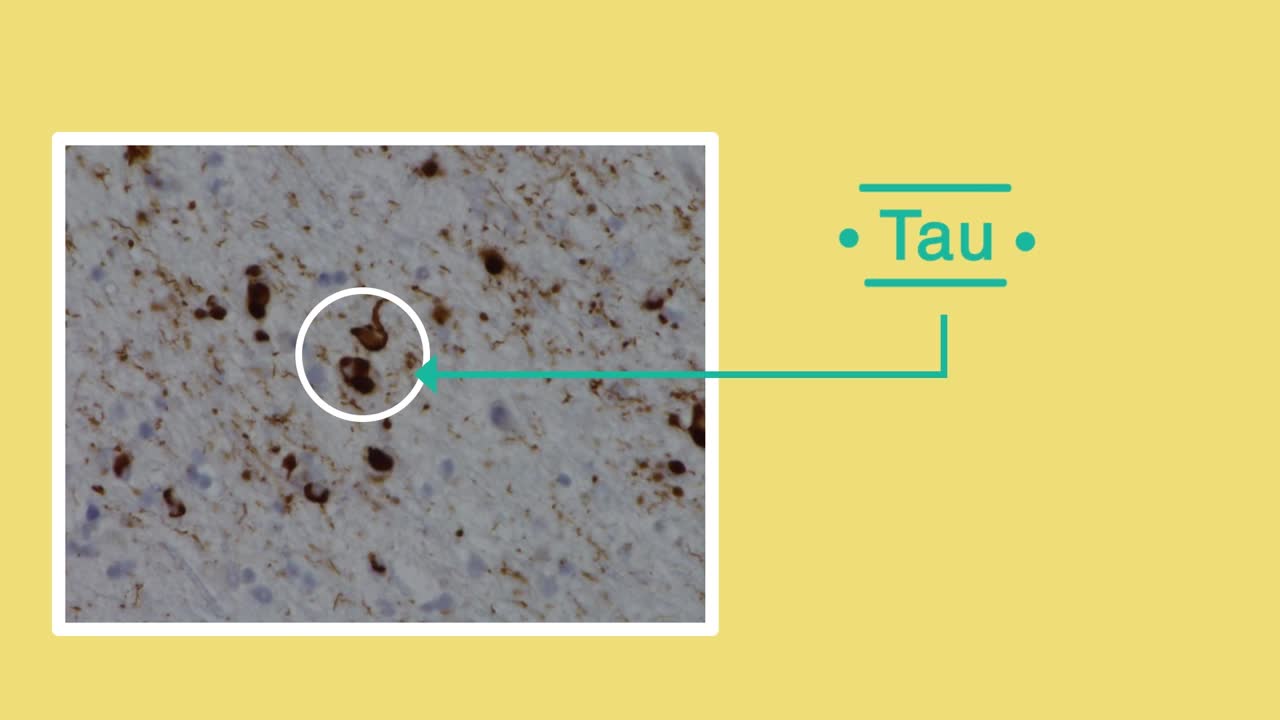
Alzheimer's disease is linked to abnormal build-up of proteins called amyloid and tau in the brain, which disrupt how brain cells work and communicate. Why this happens is not fully understood. Age is the strongest risk factor. Family history and certain genes can raise risk, and a specific gene variant increases the chance of developing the disease without guaranteeing it. Factors affecting heart and blood vessel health, such as high blood pressure, diabetes and smoking, also appear to influence risk.
How it's diagnosed
A clinician takes a history from the person and often from a family member, and uses memory and thinking tests to assess different abilities. Blood tests help rule out other causes, such as thyroid disorders or vitamin deficiency. Brain scans may look for shrinkage in memory areas or exclude problems such as stroke. In some settings, specialized spinal fluid tests or imaging can detect Alzheimer's-related proteins. Early assessment helps with planning and support.
Treatment overview
There is currently no cure for Alzheimer's disease, and available medicines do not stop its progression. Some medicines can modestly help memory and thinking symptoms for a time in some people, and newer antibody treatments aimed at amyloid are used in carefully selected early cases in some countries, with important safety considerations. Much of care focuses on support: keeping routines, staying active and connected, treating depression or sleep problems, and making the home safer. Support for family caregivers is central.
When to seek care
Arrange an assessment when memory or thinking problems interfere with daily life, keep getting worse, or worry family members. Seek prompt help for sudden confusion, which may signal delirium from infection or another treatable cause. Urgent care is needed if a person becomes unsafe, for example wandering away or leaving cooking unattended.
Frequently asked questions
Is Alzheimer's the same as dementia?
Dementia is a general term for decline in memory and thinking severe enough to affect daily life. Alzheimer's disease is the most common cause of dementia, but not the only one. Identifying the specific cause matters because treatment, likely course and support needs can differ.
Is Alzheimer's disease hereditary?
Most cases are not directly inherited. Having a close relative with Alzheimer's raises risk somewhat, and certain gene variants increase risk without guaranteeing the disease. Rare inherited forms caused by single genes exist and usually start younger.
Can Alzheimer's be prevented?
No method is proven to prevent Alzheimer's disease. However, habits that protect heart and blood vessel health are associated with lower risk: regular activity, not smoking, controlling blood pressure and diabetes, a balanced diet, good sleep and staying mentally and socially active.
How can families support someone with Alzheimer's?
Simple routines, clear communication, written reminders and a calm, safe home help. Encouraging activities the person still enjoys, supporting independence where possible, and planning ahead for legal, financial and care decisions are all valuable. Caregivers also need support themselves.
More in Brain & Nerves
Related topics on MedicalVideos.com
Sources & further reading
Authoritative references for readers who want to go deeper:
This page is for general education only and is not medical advice. Sudden confusion is not typical Alzheimer's progression and needs prompt assessment, as it often has a treatable cause such as infection.