
- Physical Examination
- Surgical Examination
- Ophthalmology
- Clinical Skills
- Orthopedics
- Surgery Videos
- Laparoscopy
- Pediatrics
- Funny Videos
- Cardiothoracic Surgery
- Nursing Videos
- Plastic Surgery
- Otorhinolaryngology
- Histology and Histopathology
- Neurosurgery
- Dermatology
- Pediatric Surgery
- Urology
- Dentistry
- Oncology and Cancers
- Anatomy Videos
- Health and Fitness
- Radiology
- Anaesthesia
- Physical Therapy
- Pharmacology
- Interventional Radiology
- Cardiology
- Endocrinology
- Gynecology
- Emergency Medicine
- Psychiatry and Psychology
- Childbirth Videos
- General Medical Videos
- Nephrology
- Physiology
- Diet and Food Health
- Diabetes Mellitus
- Neurology
- Women Health
- Osteoporosis
- Gastroenterology
- Pulmonology
- Hematology
- Rheumatology
- Toxicology
- Nuclear Medicine
- Infectious Diseases
- Vascular Disease
- Reproductive Health
- Burns and Wound Healing
- Kidney Zone Podcast
- Other
Parkinson's Disease
Parkinson's disease is a progressive condition of the brain that mainly affects movement, causing tremor, stiffness and slowness. Symptoms develop gradually and vary widely between people. This guide explains Parkinson's symptoms, causes, diagnosis and treatment in plain language, with videos showing how the condition is managed.
✓ Medically reviewed by Dr. Mohamed Ibrahim, MD, PhD — physician-scientist · Last reviewed: November 2026
In short: Parkinson's disease occurs when brain cells that make dopamine, a chemical needed for smooth movement, gradually stop working. This leads to tremor, stiffness, slow movement and balance problems, plus non-movement symptoms. There is no cure, but medicines, therapy and exercise can control symptoms well.
Watch: Parkinson's Disease videos



Read: the plain-language guide
Overview
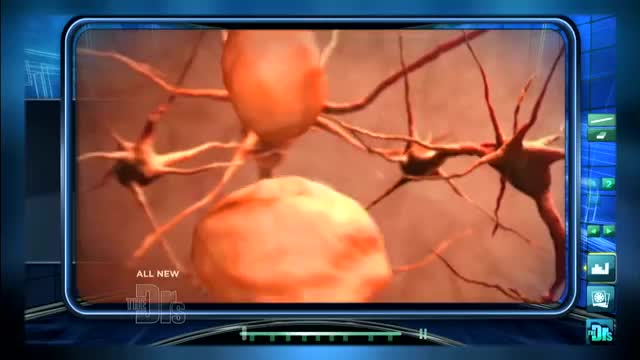
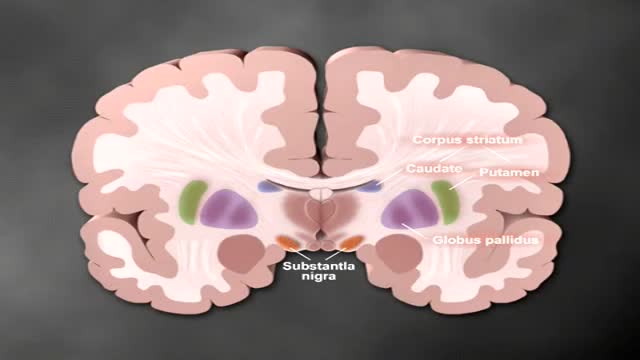
Parkinson's disease develops when nerve cells in a small area deep in the brain slowly break down. These cells produce dopamine, a chemical messenger that helps coordinate movement. As dopamine levels fall, movements become slower and less automatic. Symptoms usually begin on one side of the body and gradually spread, and the condition progresses over years. Parkinson's is about more than movement: many people also experience constipation, loss of smell, sleep disturbance, depression and thinking changes.
Symptoms
The main movement symptoms are tremor, often starting in a hand at rest; slowness of movement, called bradykinesia, which makes tasks like buttoning clothes take longer; and stiffness in the limbs or trunk. Balance problems and a shuffling walk can develop, and handwriting often becomes small. The face may show less expression and the voice may soften. Non-movement symptoms are common and can appear early: loss of smell, constipation, acting out dreams during sleep, low mood and fatigue.
Causes & risk factors
The exact cause of Parkinson's disease is unknown. It involves the loss of dopamine-producing brain cells and the build-up of an abnormal protein called alpha-synuclein. A combination of genetic and environmental influences is thought to be responsible. Most cases are not directly inherited, although some gene changes can increase risk and rare inherited forms exist. Age is the strongest risk factor, with most people developing symptoms in later life. No single exposure explains most cases, and Parkinson's is not contagious.
How it's diagnosed
There is no single test for Parkinson's disease. A clinician, often a neurologist, diagnoses it mainly from the medical history and a neurological examination, looking for the characteristic pattern of tremor, slowness and stiffness, often beginning on one side. Response to Parkinson's medicines can support the diagnosis. Blood tests or brain scans may be arranged to rule out other conditions that can look similar. Because early symptoms can be subtle, diagnosis sometimes takes time and follow-up visits.
Treatment overview
Treatment cannot cure Parkinson's or stop its progression, but it can control symptoms effectively. The main medicines replace or mimic dopamine; levodopa is the most effective and widely used, and several other medicine classes can smooth out its effects or be used in earlier stages. Choices are individual and change over time, balanced with a clinician against side effects. Physical therapy, occupational therapy and speech therapy help with movement, daily tasks and communication. Regular exercise is strongly encouraged.
When to seek care
See a clinician about a new tremor, increasing stiffness, slowness or changes in walking, especially if symptoms affect one side more than the other. Seek prompt help for falls, choking or swallowing problems, sudden confusion or hallucinations, or severe low mood. Regular follow-up matters, because medicines often need adjustment as symptoms change.
Frequently asked questions
Does everyone with Parkinson's have a tremor?
No. Tremor is common and often the first noticed symptom, but some people with Parkinson's have little or no tremor and mainly experience slowness and stiffness. Conversely, not every tremor is Parkinson's; other conditions, such as essential tremor, are more common causes.
Is Parkinson's disease fatal?
Parkinson's itself is not considered directly fatal, and many people live a near-normal lifespan with treatment. However, complications in later stages, such as falls and swallowing difficulties leading to chest infections, can seriously affect health. Good follow-up care helps reduce these risks.
Can exercise help Parkinson's symptoms?
Yes. Regular exercise is one of the most helpful non-drug measures. It supports mobility, balance, strength, mood and sleep. Activities such as walking, cycling, tai chi, dance and targeted physical therapy programs are commonly recommended, ideally discussed with a clinician or physical therapist.
What is the difference between Parkinson's and essential tremor?
Parkinson's tremor typically occurs when the hand is at rest and eases with movement, and it comes with slowness and stiffness. Essential tremor mainly appears during action, such as holding a cup or writing, without the other Parkinson's features. The two are managed differently.
More in Brain & Nerves
Related topics on MedicalVideos.com
Sources & further reading
Authoritative references for readers who want to go deeper:
- MedlinePlus: Parkinson's Disease
- NHS: Parkinson's Disease
- Parkinson's Foundation: Parkinson's Disease (Parkinson's Foundation)
This page is for general education only and is not medical advice. Swallowing problems, repeated falls or sudden confusion in someone with Parkinson's should be assessed promptly rather than assumed to be part of the condition.