
- Physical Examination
- Surgical Examination
- Ophthalmology
- Clinical Skills
- Orthopedics
- Surgery Videos
- Laparoscopy
- Pediatrics
- Funny Videos
- Cardiothoracic Surgery
- Nursing Videos
- Plastic Surgery
- Otorhinolaryngology
- Histology and Histopathology
- Neurosurgery
- Dermatology
- Pediatric Surgery
- Urology
- Dentistry
- Oncology and Cancers
- Anatomy Videos
- Health and Fitness
- Radiology
- Anaesthesia
- Physical Therapy
- Pharmacology
- Interventional Radiology
- Cardiology
- Endocrinology
- Gynecology
- Emergency Medicine
- Psychiatry and Psychology
- Childbirth Videos
- General Medical Videos
- Nephrology
- Physiology
- Diet and Food Health
- Diabetes Mellitus
- Neurology
- Women Health
- Osteoporosis
- Gastroenterology
- Pulmonology
- Hematology
- Rheumatology
- Toxicology
- Nuclear Medicine
- Infectious Diseases
- Vascular Disease
- Reproductive Health
- Burns and Wound Healing
- Kidney Zone Podcast
- Other
Epilepsy
Epilepsy is a condition of the brain that causes recurring seizures. Seizures vary widely, from brief staring spells to convulsions affecting the whole body. This guide explains epilepsy symptoms, causes, diagnosis and treatment in plain language, with videos that show what seizures look like and how they are managed.
✓ Medically reviewed by Dr. Mohamed Ibrahim, MD, PhD — physician-scientist · Last reviewed: November 2026
In short: Epilepsy means a tendency to have unprovoked seizures caused by abnormal electrical activity in the brain. A single seizure does not necessarily mean epilepsy. Many people control their seizures fully with medicines, and safety planning, follow-up and knowing seizure first aid make daily life safer.
Watch: Epilepsy videos
 Epilepsy and Paroxysmal Tonic Upgaze -- Part 3 of 5
15,439 views
 What to do if someone is having a seizure
12,559 views
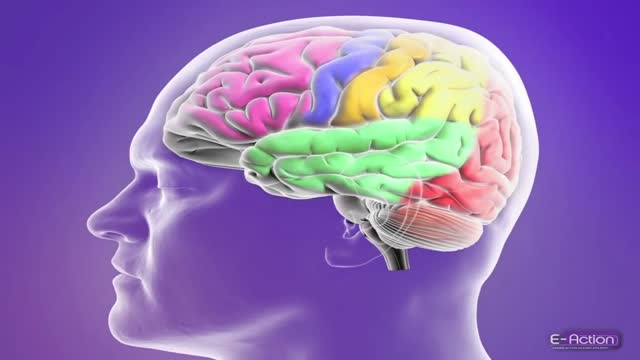 Classification of Epileptic Seizures
12,209 views
 A Stimulating Discovery: VNS Stimulator for Epilepsy
11,400 views
 Partial Seizure in 13 year old boy
10,633 views
 Casuality during Seizure
10,296 views
Read: the plain-language guide
Overview
The brain communicates through electrical signals, and a seizure happens when a sudden burst of abnormal activity disrupts normal function. Epilepsy is diagnosed when someone has recurring seizures not caused by a temporary trigger such as very low blood sugar. Focal seizures start in one area of the brain and may or may not affect awareness, while generalized seizures involve both sides from the start. Epilepsy can begin at any age. With treatment, many people have long periods without seizures.
Symptoms
Symptoms depend on the seizure type. Convulsive seizures cause loss of consciousness, body stiffening and jerking, sometimes with tongue biting or loss of bladder control, followed by confusion and tiredness. Focal seizures may cause unusual sensations, emotions or movements in one part of the body, or a period of unresponsiveness. Absence seizures are brief episodes of staring and unresponsiveness, most common in children, that can be mistaken for daydreaming. Some people get a warning sensation, called an aura.
Causes & risk factors
In many people, no clear cause for epilepsy is found. Known causes include genetic influences, important in several epilepsy types that begin in childhood. Brain injury from head trauma, stroke, infections such as meningitis, brain tumors, and problems with brain development before birth can all lead to epilepsy. In older adults, stroke is a more common cause. Certain situations can provoke seizures without being the underlying cause: missed medicine doses, lack of sleep, alcohol, illness with fever and, in a minority, flashing lights.
How it's diagnosed
Diagnosis starts with a detailed account of the events, ideally including a description from someone who witnessed a seizure, since the person having it often cannot recall it. An EEG, which records the brain's electrical activity through sensors on the scalp, can support the diagnosis and help classify seizure type. Brain imaging, usually an MRI scan, looks for structural causes. Blood tests may check for other explanations. Because fainting and other conditions can mimic seizures, careful assessment matters.
Treatment overview
The main treatment is anti-seizure medicine, taken daily to prevent seizures. Several medicine classes and many individual medicines exist, and the choice depends on seizure type, age, other conditions and personal factors, decided with a clinician. Treatment aims for full seizure control without troublesome side effects; if one medicine does not work, others can be tried. For some people whose seizures continue despite medicines, specialists may consider epilepsy surgery, implanted stimulation devices, or special diets, mainly in children.
When to seek care
Call emergency services for a seizure lasting longer than five minutes, repeated seizures without regaining consciousness, a seizure in water, a seizure in someone pregnant or with diabetes, or if the person is injured. A first-ever seizure always needs prompt medical assessment. People with known epilepsy should contact their clinician if seizures become more frequent.
Frequently asked questions
What should I do if someone has a convulsive seizure?
Stay calm, time the seizure and protect the person from injury by moving objects away and cushioning the head. Do not put anything in their mouth and do not restrain them. When the jerking stops, roll them gently onto their side and stay until they recover.
Does one seizure mean I have epilepsy?
Not necessarily. A single seizure can be provoked by temporary factors such as fever in children, very low blood sugar, alcohol withdrawal or lack of sleep. Epilepsy generally means recurring unprovoked seizures, or a high likelihood of recurrence. A clinician will assess the event before diagnosing.
Can people with epilepsy drive?
Driving rules for epilepsy are set by law and vary by country and region. Typically, a person must be seizure-free for a defined period before driving, and doctors may need to notify licensing authorities. People with epilepsy should check local rules and discuss their situation with their clinician.
Can epilepsy be cured?
Some childhood epilepsies are outgrown, and surgery can stop seizures for selected people whose epilepsy comes from a specific brain area. For most people, treatment controls rather than cures epilepsy. Many achieve long seizure-free periods on medicines, and some can eventually stop them under supervision.
More in Brain & Nerves
Related topics on MedicalVideos.com
Sources & further reading
Authoritative references for readers who want to go deeper:
This page is for general education only and is not medical advice. A seizure lasting longer than five minutes, or repeated seizures without regaining consciousness, is an emergency — call emergency services.