
- Physical Examination
- Surgical Examination
- Ophthalmology
- Clinical Skills
- Orthopedics
- Surgery Videos
- Laparoscopy
- Pediatrics
- Funny Videos
- Cardiothoracic Surgery
- Nursing Videos
- Plastic Surgery
- Otorhinolaryngology
- Histology and Histopathology
- Neurosurgery
- Dermatology
- Pediatric Surgery
- Urology
- Dentistry
- Oncology and Cancers
- Anatomy Videos
- Health and Fitness
- Radiology
- Anaesthesia
- Physical Therapy
- Pharmacology
- Interventional Radiology
- Cardiology
- Endocrinology
- Gynecology
- Emergency Medicine
- Psychiatry and Psychology
- Childbirth Videos
- General Medical Videos
- Nephrology
- Physiology
- Diet and Food Health
- Diabetes Mellitus
- Neurology
- Women Health
- Osteoporosis
- Gastroenterology
- Pulmonology
- Hematology
- Rheumatology
- Toxicology
- Nuclear Medicine
- Infectious Diseases
- Vascular Disease
- Reproductive Health
- Burns and Wound Healing
- Kidney Zone Podcast
- Other
Bipolar Disorder
Bipolar disorder is a mental health condition that causes marked shifts in mood, energy, and activity, ranging from highs to deep lows. This page explains its symptoms, causes, and treatment in plain language, with videos to help you follow the key points.
✓ Medically reviewed by Dr. Mohamed Ibrahim, MD, PhD — physician-scientist · Last reviewed: November 2026
In short: Bipolar disorder involves episodes of mania or hypomania, with unusually high energy and mood, and episodes of depression. With steady treatment, mood-stabilizing medicines, and support, many people manage the condition and reduce how often episodes occur.
Watch: Bipolar Disorder videos



Read: the plain-language guide
Overview
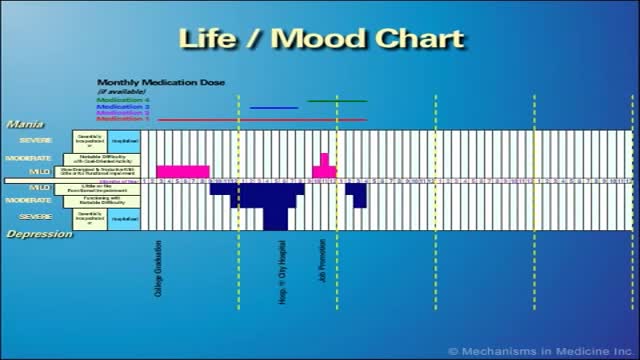
Bipolar disorder affects mood regulation, so a person experiences episodes that are very different from their usual self. During manic episodes, mood and energy rise abnormally; during depressive episodes, mood, energy, and motivation fall. Between episodes, many people feel well and function normally. The condition usually begins in younger adult life and continues long term, with episodes varying in frequency and severity. Bipolar disorder is a medical condition, not a personal failing, and it responds to treatment. Ongoing care, regular routines, and early recognition of warning signs help people stay well for longer.
Symptoms
During mania, a person may feel unusually elated or irritable, need far less sleep, talk rapidly, race through ideas, and take risks they would normally avoid. Hypomania is a milder form that may feel productive but still represents a clear change. During depression, mood is persistently low, with loss of interest, poor energy, disturbed sleep and appetite, difficulty concentrating, and feelings of worthlessness. Some episodes mix features of both states. Episodes last days to weeks or longer and affect work, relationships, judgment, and daily functioning in noticeable ways.
Causes & risk factors
The exact cause of bipolar disorder is not fully understood. Genes play a strong part, and the condition often runs in families. Differences in brain chemistry and in the circuits that regulate mood, sleep, and energy are also involved. Stressful life events, major sleep disruption, childbirth, and misuse of alcohol or recreational drugs can trigger episodes in someone who is vulnerable. Bipolar disorder is not caused by weakness or by anything a person has done wrong, and blame has no place in understanding or treating it.
How it's diagnosed
Diagnosis is made by a mental health professional through a detailed conversation about mood episodes, sleep, energy, behavior, and personal and family history. There is no blood test or brain scan that confirms bipolar disorder. Because depressive episodes are often reported while manic ones are overlooked, accounts from family members can be valuable. The clinician will also consider other explanations, such as thyroid problems, medicines, or substance use, and assess safety and physical health. An accurate history over time is the foundation of correct diagnosis and treatment planning.
Treatment overview
Long-term treatment usually centers on mood-stabilizing medicines, sometimes combined with other prescribed medicines during acute episodes. Psychological therapies help people recognize early warning signs, keep regular sleep and daily routines, and manage stress. A written plan for what to do when warning signs appear, agreed with the care team and family, can shorten or prevent episodes. Stopping treatment suddenly can trigger relapse, so changes should always be discussed first. With consistent care, many people achieve long periods of stability and lead full lives.
When to seek care
Seek urgent help through local emergency services or an emergency department if a person is acting in dangerous ways, has not slept for a long period with escalating behavior, or talks about harming themselves or others. New or worsening mood episodes should be discussed with the care team promptly.
Frequently asked questions
What is the difference between mania and hypomania?
Mania and hypomania share raised mood, energy, and reduced need for sleep, but mania is more severe. Mania clearly disrupts work, relationships, and judgment and may involve losing touch with reality. Hypomania is milder and shorter, though it is still an important warning sign.
Can bipolar disorder be cured?
Bipolar disorder is a long-term condition without a cure, but it can be managed effectively. Mood-stabilizing treatment, psychological support, regular sleep, and early action on warning signs reduce episodes and their severity. Many people stay well for long periods with consistent care.
Why is sleep so important in bipolar disorder?
Sleep disruption is closely linked to mood episodes in bipolar disorder. Losing sleep can trigger mania, and disturbed sleep often appears early in both highs and lows. Keeping a regular sleep routine is one of the most practical daily steps for staying stable.
Should I stop medication when I feel well?
Feeling well usually means treatment is working, not that it is no longer needed. Stopping mood-stabilizing medicine suddenly raises the risk of relapse, sometimes quickly. Always discuss changes with your prescriber, who can adjust treatment safely.
More in Mental Health
Related topics on MedicalVideos.com
Sources & further reading
Authoritative references for readers who want to go deeper:
This page is for general education only and is not medical advice. If a person with bipolar disorder seems at immediate risk of harming themselves or others, treat it as an emergency and contact local emergency services at once.