
- Physical Examination
- Surgical Examination
- Ophthalmology
- Clinical Skills
- Orthopedics
- Surgery Videos
- Laparoscopy
- Pediatrics
- Funny Videos
- Cardiothoracic Surgery
- Nursing Videos
- Plastic Surgery
- Otorhinolaryngology
- Histology and Histopathology
- Neurosurgery
- Dermatology
- Pediatric Surgery
- Urology
- Dentistry
- Oncology and Cancers
- Anatomy Videos
- Health and Fitness
- Radiology
- Anaesthesia
- Physical Therapy
- Pharmacology
- Interventional Radiology
- Cardiology
- Endocrinology
- Gynecology
- Emergency Medicine
- Psychiatry and Psychology
- Childbirth Videos
- General Medical Videos
- Nephrology
- Physiology
- Diet and Food Health
- Diabetes Mellitus
- Neurology
- Women Health
- Osteoporosis
- Gastroenterology
- Pulmonology
- Hematology
- Rheumatology
- Toxicology
- Nuclear Medicine
- Infectious Diseases
- Vascular Disease
- Reproductive Health
- Burns and Wound Healing
- Kidney Zone Podcast
- Other
Schizophrenia
Schizophrenia is a mental health condition that affects how a person thinks, perceives the world, and expresses emotions. This page explains its symptoms, causes, and treatment in plain language, with videos to help you follow the key points.
✓ Medically reviewed by Dr. Mohamed Ibrahim, MD, PhD — physician-scientist · Last reviewed: November 2026
In short: Schizophrenia can involve hearing voices, holding firmly fixed false beliefs, disorganized thinking, and withdrawal from everyday life. It is not a split personality. With medicines, psychological support, and rehabilitation, many people recover meaningful, stable lives.
Watch: Schizophrenia videos
Read: the plain-language guide
Overview
Schizophrenia usually begins in late adolescence or early adult life and follows a long-term course with episodes of worsening and periods of greater stability. It affects perception, thinking, motivation, and social functioning. During active episodes, a person may lose touch with reality in ways that are frightening for them and worrying for family. Between episodes, some symptoms may persist at a lower level, particularly low motivation and withdrawal. Schizophrenia is a brain-based medical condition, not a character flaw. Early, sustained treatment improves outcomes, and recovery is understood as living a meaningful life, not only removing symptoms.
Symptoms
Symptoms are often grouped into three kinds. Positive symptoms include hearing voices, holding fixed beliefs that are not shared by others, and disorganized speech or behavior. Negative symptoms include reduced emotional expression, loss of motivation, speaking less, and withdrawing from social contact and activities once enjoyed. Cognitive symptoms affect memory, concentration, planning, and the ability to organize daily tasks. Symptoms usually develop gradually, with early changes in sleep, self-care, and social interest before clearer signs appear. The combination and severity differ greatly from one person to another.
Causes & risk factors
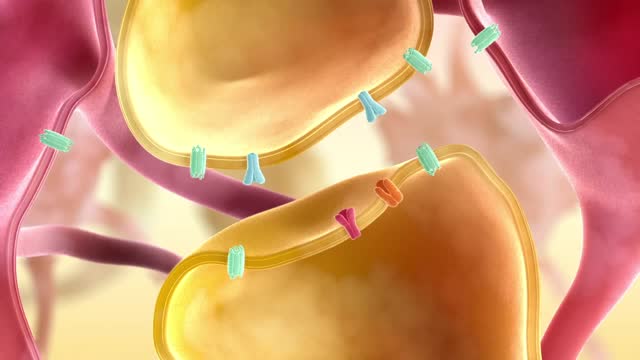
The causes of schizophrenia are not fully understood and involve a combination of genetic and environmental factors. Having a close relative with the condition increases risk, though most relatives never develop it. Differences in brain development and in chemical messengers such as dopamine are involved. Stressful life events, trauma, and heavy use of cannabis or other substances can contribute to onset or relapse in vulnerable people. Schizophrenia is not caused by bad parenting, personal weakness, or anything a family did wrong, and such blame is both inaccurate and harmful.
How it's diagnosed
A psychiatrist or mental health specialist diagnoses schizophrenia through detailed interviews about experiences, thinking, mood, behavior, and functioning over time, often including information from family. There is no single blood test or scan that confirms it. Physical examination and tests may rule out other causes of similar symptoms, such as thyroid disease, infection, substance use, or other mental health conditions. Because symptoms overlap with other disorders, diagnosis may take time and careful observation. Getting the diagnosis right matters, because it guides treatment, support, and realistic planning for recovery.
Treatment overview
Treatment usually combines antipsychotic medicines, which reduce symptoms such as voices and fixed beliefs, with psychological therapies, family support, and practical rehabilitation for work, study, and daily living skills. A coordinated care team helps monitor progress, side effects, and physical health, which needs regular attention. Stopping medicine suddenly often leads to relapse, so changes should be planned with the prescriber. Many people benefit from supported housing, employment programs, and peer support. Recovery takes time, but sustained, respectful care helps many people regain stability, independence, and quality of life.
When to seek care
Seek urgent help through local emergency services or an emergency department if a person is behaving in ways that put themselves or others at risk, is severely distressed by voices, or talks about self-harm. New confusion, refusal to eat or drink, or rapid worsening also needs prompt assessment.
Frequently asked questions
Does schizophrenia mean a split personality?
No. Schizophrenia does not mean a split or multiple personality; that is a different and much rarer condition. Schizophrenia affects perception, thinking, and motivation, causing symptoms such as hearing voices or holding fixed false beliefs. The idea is a misleading myth.
Can people with schizophrenia recover?
Many people with schizophrenia improve substantially and live meaningful lives, especially with early and sustained treatment. Recovery often means managing symptoms, rebuilding routines, relationships, and work, rather than a complete cure. Ongoing support from a care team and family makes a real difference.
Why is continuing medication important?
Antipsychotic medicines reduce symptoms and lower the chance of relapse. Stopping them suddenly, even when feeling well, commonly leads to symptoms returning within weeks or months. If side effects are troublesome, tell the prescriber, who can adjust the medicine or dose safely.
Are people with schizophrenia dangerous?
Most people with schizophrenia are not violent and are more likely to be victims than to harm others. Risk rises mainly when symptoms are untreated or combined with substance misuse. Factual understanding reduces stigma and encourages earlier treatment.
More in Mental Health
Related topics on MedicalVideos.com
Sources & further reading
Authoritative references for readers who want to go deeper:
This page is for general education only and is not medical advice. If a person with schizophrenia appears at immediate risk of harm, contact local emergency services or attend an emergency department rather than waiting for a routine appointment.