
- Physical Examination
- Surgical Examination
- Ophthalmology
- Clinical Skills
- Orthopedics
- Surgery Videos
- Laparoscopy
- Pediatrics
- Funny Videos
- Cardiothoracic Surgery
- Nursing Videos
- Plastic Surgery
- Otorhinolaryngology
- Histology and Histopathology
- Neurosurgery
- Dermatology
- Pediatric Surgery
- Urology
- Dentistry
- Oncology and Cancers
- Anatomy Videos
- Health and Fitness
- Radiology
- Anaesthesia
- Physical Therapy
- Pharmacology
- Interventional Radiology
- Cardiology
- Endocrinology
- Gynecology
- Emergency Medicine
- Psychiatry and Psychology
- Childbirth Videos
- General Medical Videos
- Nephrology
- Physiology
- Diet and Food Health
- Diabetes Mellitus
- Neurology
- Women Health
- Osteoporosis
- Gastroenterology
- Pulmonology
- Hematology
- Rheumatology
- Toxicology
- Nuclear Medicine
- Infectious Diseases
- Vascular Disease
- Reproductive Health
- Burns and Wound Healing
- Kidney Zone Podcast
- Other
Mononucleosis
Mononucleosis is a viral illness, most often caused by the Epstein-Barr virus, that causes sore throat, swollen glands, and marked tiredness. This page explains its symptoms, causes, and treatment in plain language, with videos to help you follow the key points.
✓ Medically reviewed by Dr. Mohamed Ibrahim, MD, PhD — physician-scientist · Last reviewed: November 2026
In short: Mononucleosis, sometimes called glandular fever, spreads mainly through saliva and mainly affects teenagers and young adults. There is no specific cure; rest, fluids, and time bring recovery, though tiredness can linger for weeks after other symptoms settle.
Watch: Mononucleosis videos


Read: the plain-language guide
Overview
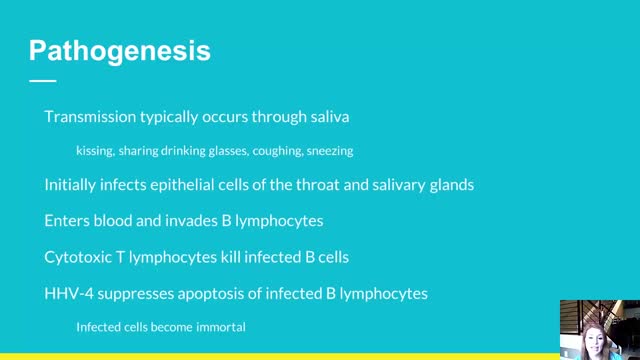
Mononucleosis is an infection most commonly caused by the Epstein-Barr virus, a widespread virus that many people catch in childhood without symptoms. When infection first occurs in the teenage or young adult years, it more often causes the full illness. The virus spreads mainly through saliva, which is why mononucleosis is sometimes nicknamed the kissing disease, though sharing drinks and utensils also passes it on. The illness typically lasts a few weeks, with fatigue sometimes persisting longer. Once infected, the virus stays in the body for life but usually remains dormant and harmless.
Symptoms
The hallmark symptoms are a severe sore throat, often with swollen tonsils, fever, and noticeably swollen glands in the neck. Profound tiredness is typical and can be out of proportion to the other symptoms. Headache, aching muscles, loss of appetite, night sweats, and a feeling of general unwellness are common. Some people develop a rash, particularly after taking certain antibiotics during the illness. The spleen and liver can become enlarged, which matters for activity advice. Symptoms build over several days, peak, and then gradually improve, except for tiredness, which fades more slowly.
Causes & risk factors
Mononucleosis is usually caused by the Epstein-Barr virus, spread through saliva from someone carrying the virus, including people with no symptoms. Kissing, sharing drinks, food, or utensils, and close contact can pass it on. A small number of cases are caused by other viruses that produce a similar illness. After recovery, the virus remains in the body and can occasionally be shed in saliva again, so a person can pass it on later without being ill. There is no vaccine, so hygiene around shared drinks is the main prevention.
How it's diagnosed
A clinician suspects mononucleosis from the combination of severe sore throat, swollen glands, fever, and exhaustion in a teenager or young adult. Examination may reveal enlarged tonsils, neck glands, and sometimes an enlarged spleen or liver. Blood tests can support the diagnosis by showing characteristic white blood cells and antibodies to the virus, and liver tests are often mildly abnormal. Throat swabs may be used to exclude streptococcal infection, which can look similar and needs antibiotics. Testing matters because management, especially activity and antibiotic choices, differs between the two conditions.
Treatment overview
There is no specific cure for mononucleosis, and antibiotics do not help unless a bacterial throat infection is also present. Rest, regular fluids, and painkillers for throat pain and fever form the core of care. Gargling and throat lozenges can ease soreness. Because the spleen may be enlarged and vulnerable, contact sports and heavy lifting should be avoided until a clinician advises it is safe, usually for at least several weeks. Most people recover steadily; returning to work or study gradually, with rest when needed, helps manage the lingering tiredness.
When to seek care
Seek urgent care for difficulty breathing or swallowing, inability to drink, severe abdominal pain (which can signal a spleen problem), yellowing of the eyes or skin, or a severe headache with neck stiffness. Otherwise, arrange review if symptoms are not improving after a couple of weeks.
Frequently asked questions
How long does mononucleosis last?
The worst symptoms, such as sore throat and fever, usually settle within a few weeks. Tiredness often lasts longer, sometimes for a couple of months, before energy fully returns. Gradual activity and good sleep help; most people recover completely.
Why must I avoid contact sports?
Mononucleosis can enlarge the spleen, making it more fragile and at risk of injury or rupture from a blow or heavy strain. Avoiding contact sports and heavy lifting until your clinician says it is safe protects against this serious complication.
Can I get mononucleosis more than once?
Symptoms from the Epstein-Barr virus usually occur only once, because the immune system controls the virus afterwards, even though it stays in the body for life. Similar illnesses can occasionally be caused by other viruses, which is why testing is used when symptoms recur.
How can I avoid spreading mononucleosis?
Avoid kissing and sharing drinks, food, and utensils while you are ill and for a while afterwards, since the virus spreads in saliva and can be shed after recovery. Cover coughs and wash hands regularly.
More in Infections
Related topics on MedicalVideos.com
Sources & further reading
Authoritative references for readers who want to go deeper:
This page is for general education only and is not medical advice. Severe abdominal pain during or after mononucleosis may signal a spleen injury and needs emergency assessment the same day.