
- Physical Examination
- Surgical Examination
- Ophthalmology
- Clinical Skills
- Orthopedics
- Surgery Videos
- Laparoscopy
- Pediatrics
- Funny Videos
- Cardiothoracic Surgery
- Nursing Videos
- Plastic Surgery
- Otorhinolaryngology
- Histology and Histopathology
- Neurosurgery
- Dermatology
- Pediatric Surgery
- Urology
- Dentistry
- Oncology and Cancers
- Anatomy Videos
- Health and Fitness
- Radiology
- Anaesthesia
- Physical Therapy
- Pharmacology
- Interventional Radiology
- Cardiology
- Endocrinology
- Gynecology
- Emergency Medicine
- Psychiatry and Psychology
- Childbirth Videos
- General Medical Videos
- Nephrology
- Physiology
- Diet and Food Health
- Diabetes Mellitus
- Neurology
- Women Health
- Osteoporosis
- Gastroenterology
- Pulmonology
- Hematology
- Rheumatology
- Toxicology
- Nuclear Medicine
- Infectious Diseases
- Vascular Disease
- Reproductive Health
- Burns and Wound Healing
- Kidney Zone Podcast
- Other
Lyme Disease
Lyme disease is an infection passed to people through the bite of an infected tick, most often after time outdoors in grassy or wooded areas. This page explains its symptoms, causes, and treatment in plain language, with videos to help you follow the key points.
✓ Medically reviewed by Dr. Mohamed Ibrahim, MD, PhD — physician-scientist · Last reviewed: November 2026
In short: Lyme disease often starts with an expanding red rash at the bite site, fever, tiredness, and aches. Caught early, it is treated effectively with antibiotics. Without treatment, it can later affect the joints, heart, and nervous system.
Watch: Lyme Disease videos

Read: the plain-language guide
Overview
Lyme disease is caused by bacteria carried by certain ticks. When an infected tick feeds on a person, the bacteria can pass into the skin and then spread through the body. The illness unfolds in stages. Early on, there is usually a distinctive expanding rash and flu-like symptoms. If untreated, infection can spread over weeks to months, affecting joints, the heart, and the nervous system. Risk rises with outdoor work and recreation in long grass, woodland, and areas with deer.
Symptoms
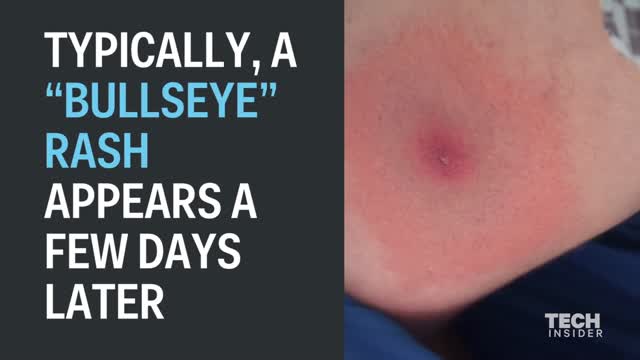
The classic early sign is an expanding red rash at the bite site that gradually grows, sometimes clearing in the center so it resembles a bull's-eye, though not everyone develops it. Fever, headache, tiredness, neck stiffness, and muscle and joint aches often accompany it. Later, untreated infection can cause multiple rashes, facial weakness on one side, painful swollen joints, palpitations or dizziness from heart involvement, and shooting pains or numbness from nerve involvement. Symptoms can come and go, and later stages may appear weeks or months after the original bite.
Causes & risk factors
Lyme disease is caused by bacteria transmitted through the bite of an infected tick, most often a small deer tick or sheep tick, depending on the region. Ticks pick up the bacteria when feeding on infected animals such as mice and deer. Transmission usually requires the tick to stay attached and feeding for a considerable time, so prompt removal lowers risk. Lyme disease does not spread from person to person through touch, coughing, or close contact. Pets can carry ticks indoors, so checking animals after walks also protects the household.
How it's diagnosed
When the typical expanding rash is present after possible tick exposure, clinicians can often diagnose Lyme disease on appearance alone and start treatment without waiting for tests. Otherwise, diagnosis combines the history of outdoor exposure and symptoms with blood tests that detect antibodies to the bacteria. Antibodies take time to develop, so early tests can be negative even when infection is present, and testing may be repeated. Clinicians also consider other tick-borne infections and conditions with similar symptoms, such as arthritis or viral illness, before settling on the diagnosis.
Treatment overview
Antibiotics are the main treatment for Lyme disease and are most effective when started early, often preventing later complications entirely. The choice of antibiotic and length of course depend on the stage of illness and which parts of the body are affected; joint, heart, or nervous system involvement may need specialist care and, occasionally, antibiotics given through a vein. Painkillers can ease aches and joint pain. Most people recover fully with treatment, though tiredness and aches can linger for some weeks. Prevention through clothing, repellent, and tick checks remains important after treatment.
When to seek care
Seek prompt medical advice if you develop an expanding rash after a tick bite, or fever and flu-like symptoms after time in tick areas. Get urgent care for facial weakness, a swollen painful joint, fainting, chest pain, or palpitations, as these can signal spread to the nervous system or heart.
Frequently asked questions
How do I remove a tick safely?
Use fine-tipped tweezers, grasp the tick close to the skin, and pull upward steadily without twisting or squeezing its body. Clean the area afterwards and note the date. Watch for an expanding rash or flu-like symptoms in the following weeks.
Does every tick bite cause Lyme disease?
No. Most tick bites do not cause Lyme disease, because many ticks are not infected and transmission usually needs prolonged attachment. Prompt removal greatly lowers risk. Stay alert for rash or fever in the following weeks.
Can Lyme disease come back after treatment?
Symptoms occasionally linger for weeks after treatment, but this does not usually mean the infection is still active. A new infection is possible after another infected bite, because previous illness does not give lasting protection. Prevention and tick checks remain important.
How can I prevent Lyme disease?
Cover skin in long grass and woodland, use insect repellent, and check your whole body, children, and pets after being outdoors. Remove any tick promptly with fine-tipped tweezers. Showering after being outdoors also helps.
More in Infections
Related topics on MedicalVideos.com
Sources & further reading
Authoritative references for readers who want to go deeper:
This page is for general education only and is not medical advice. Facial weakness, fainting, or palpitations after a tick bite can signal Lyme disease affecting the nerves or heart and needs urgent assessment.