
- Physical Examination
- Surgical Examination
- Ophthalmology
- Clinical Skills
- Orthopedics
- Surgery Videos
- Laparoscopy
- Pediatrics
- Funny Videos
- Cardiothoracic Surgery
- Nursing Videos
- Plastic Surgery
- Otorhinolaryngology
- Histology and Histopathology
- Neurosurgery
- Dermatology
- Pediatric Surgery
- Urology
- Dentistry
- Oncology and Cancers
- Anatomy Videos
- Health and Fitness
- Radiology
- Anaesthesia
- Physical Therapy
- Pharmacology
- Interventional Radiology
- Cardiology
- Endocrinology
- Gynecology
- Emergency Medicine
- Psychiatry and Psychology
- Childbirth Videos
- General Medical Videos
- Nephrology
- Physiology
- Diet and Food Health
- Diabetes Mellitus
- Neurology
- Women Health
- Osteoporosis
- Gastroenterology
- Pulmonology
- Hematology
- Rheumatology
- Toxicology
- Nuclear Medicine
- Infectious Diseases
- Vascular Disease
- Reproductive Health
- Burns and Wound Healing
- Kidney Zone Podcast
- Other
Sepsis
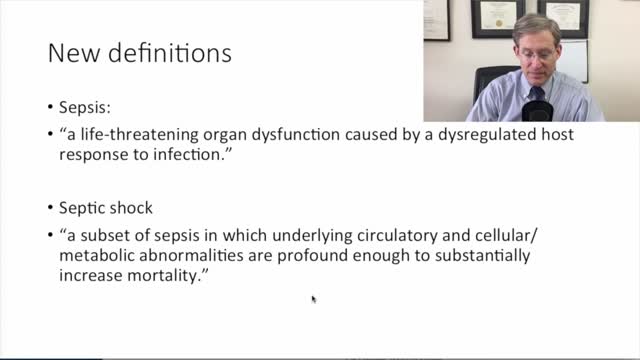
Sepsis is a life-threatening reaction in which the body's response to an infection damages its own tissues and organs. This page explains its symptoms, causes, and treatment in plain language, with videos to help you follow the key points.
✓ Medically reviewed by Dr. Mohamed Ibrahim, MD, PhD — physician-scientist · Last reviewed: November 2026
In short: Sepsis happens when an infection triggers a harmful whole-body response, causing fever or low temperature, rapid breathing and heartbeat, confusion, and falling blood pressure. It is a medical emergency: early hospital treatment with fluids and antibiotics saves lives.
Watch: Sepsis videos
Read: the plain-language guide
Overview
Sepsis develops when an infection, most often bacterial, provokes a response that harms the body itself. Instead of staying focused where the infection began, the reaction affects circulation and organs throughout the body. Blood pressure can fall, clotting and bleeding can become disordered, and the kidneys, lungs, liver, and brain may stop working properly. Sepsis can follow common infections such as pneumonia, urinary infection, or a skin infection, and it can worsen quickly, sometimes within hours. Anyone can develop sepsis, but prompt recognition and emergency treatment greatly improve survival.
Symptoms
Warning signs include fever, chills, or feeling very cold, rapid breathing, a fast heartbeat, and extreme tiredness. A person may become confused, agitated, drowsy, or hard to wake. Skin can look pale, mottled, or blotchy, and urine output often falls. There may be severe pain or discomfort that feels worse than expected from the underlying infection, along with breathlessness and a feeling of being seriously unwell. In children, signs include rapid breathing, unusual sleepiness, poor feeding, and a weak cry. Sepsis symptoms are non-specific, so rapid worsening matters.
Causes & risk factors
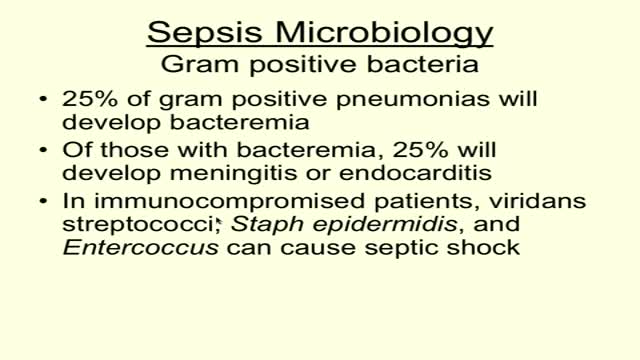
Sepsis is caused by the body's damaging response to infection rather than by one specific germ. Lung infections, urinary and kidney infections, abdominal infections, and skin and wound infections are common starting points. Bacteria are the usual triggers, though viruses and fungi can also be responsible. Risk is higher in older adults, babies, pregnant people, and anyone with a weakened immune system, long-term illness, recent surgery, or medical devices such as catheters. A minor-looking infection can occasionally progress, which is why deterioration after infection should always be taken seriously.
How it's diagnosed
In hospital, clinicians assess temperature, pulse, breathing, blood pressure, oxygen levels, and alertness, and look for the source of infection. Blood tests measure inflammation, organ function, and lactate, a marker that rises when tissues lack oxygen. Blood cultures and samples from urine, sputum, or wounds help identify the organism, and scans may locate a hidden source. Because sepsis moves fast, treatment usually starts on clinical suspicion before all results return. Early recognition scores help staff identify patients who are deteriorating and need escalation to senior or critical care.
Treatment overview
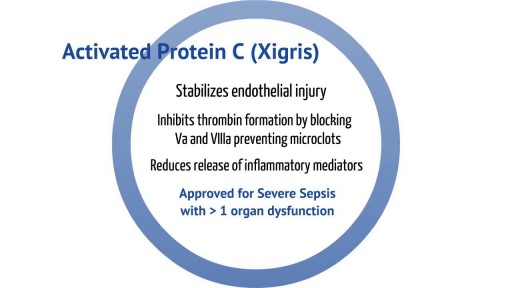
Sepsis is treated as an emergency in hospital. Antibiotics are given as quickly as possible, along with fluids through a vein to support blood pressure and circulation. Oxygen is given if levels are low, and medicines that tighten blood vessels may be needed if pressure stays low. The source of infection must be controlled, which can mean draining an abscess or removing an infected device. People with organ failure are cared for in intensive care, sometimes with breathing support or kidney dialysis. Recovery can take weeks or months, with tiredness and weakness common afterwards.
When to seek care
Call emergency services immediately if someone with an infection becomes confused, very drowsy, breathless, or develops mottled or very pale skin, or if they feel they are rapidly getting worse. Do not wait to see if it settles: with sepsis, hours matter and early treatment saves lives.
Frequently asked questions
How quickly can sepsis develop?
Sepsis can develop and worsen very quickly, sometimes within hours of an infection taking hold. A person may seem to have an ordinary infection, then deteriorate fast with confusion, breathlessness, or mottled skin. Any rapid worsening needs emergency assessment.
Who is most at risk of sepsis?
Risk is higher for older adults, babies, pregnant people, and those with weakened immune systems, long-term conditions such as diabetes, recent surgery, or medical devices like catheters. However, sepsis can affect anyone, so warning signs matter regardless of age or health.
Can sepsis be prevented?
Not every case can be prevented, but prompt treatment of infections, good wound care, recommended vaccinations, and careful hygiene around medical devices all reduce risk. Seeking help early when an infection is not improving, or is getting worse, is equally important.
What is recovery from sepsis like?
Recovery from sepsis can take weeks or months. Tiredness, weakness, poor sleep, low mood, and difficulty concentrating are common for a while. Follow-up, gradual activity, and support help most people regain strength, though some need longer rehabilitation.
Related topics on MedicalVideos.com
Sources & further reading
Authoritative references for readers who want to go deeper:
This page is for general education only and is not medical advice. Sepsis can worsen within hours, so suspected sepsis is always an emergency and should never be managed by waiting at home.