
- Physical Examination
- Surgical Examination
- Ophthalmology
- Clinical Skills
- Orthopedics
- Surgery Videos
- Laparoscopy
- Pediatrics
- Funny Videos
- Cardiothoracic Surgery
- Nursing Videos
- Plastic Surgery
- Otorhinolaryngology
- Histology and Histopathology
- Neurosurgery
- Dermatology
- Pediatric Surgery
- Urology
- Dentistry
- Oncology and Cancers
- Anatomy Videos
- Health and Fitness
- Radiology
- Anaesthesia
- Physical Therapy
- Pharmacology
- Interventional Radiology
- Cardiology
- Endocrinology
- Gynecology
- Emergency Medicine
- Psychiatry and Psychology
- Childbirth Videos
- General Medical Videos
- Nephrology
- Physiology
- Diet and Food Health
- Diabetes Mellitus
- Neurology
- Women Health
- Osteoporosis
- Gastroenterology
- Pulmonology
- Hematology
- Rheumatology
- Toxicology
- Nuclear Medicine
- Infectious Diseases
- Vascular Disease
- Reproductive Health
- Burns and Wound Healing
- Kidney Zone Podcast
- Other
Dementia
Dementia is a decline in memory, thinking, and everyday abilities, caused by diseases that damage the brain, that is severe enough to interfere with daily life. This page explains its symptoms, causes, and care in plain language, with videos to help.
✓ Medically reviewed by Dr. Mohamed Ibrahim, MD, PhD — physician-scientist · Last reviewed: November 2026
In short: Dementia is not a single disease but the result of several brain diseases, most commonly Alzheimer disease. Memory and thinking worsen gradually over time. There is no cure, but early diagnosis, treatment, and support help people live as well as possible.
Watch: Dementia videos

Read: the plain-language guide
Overview
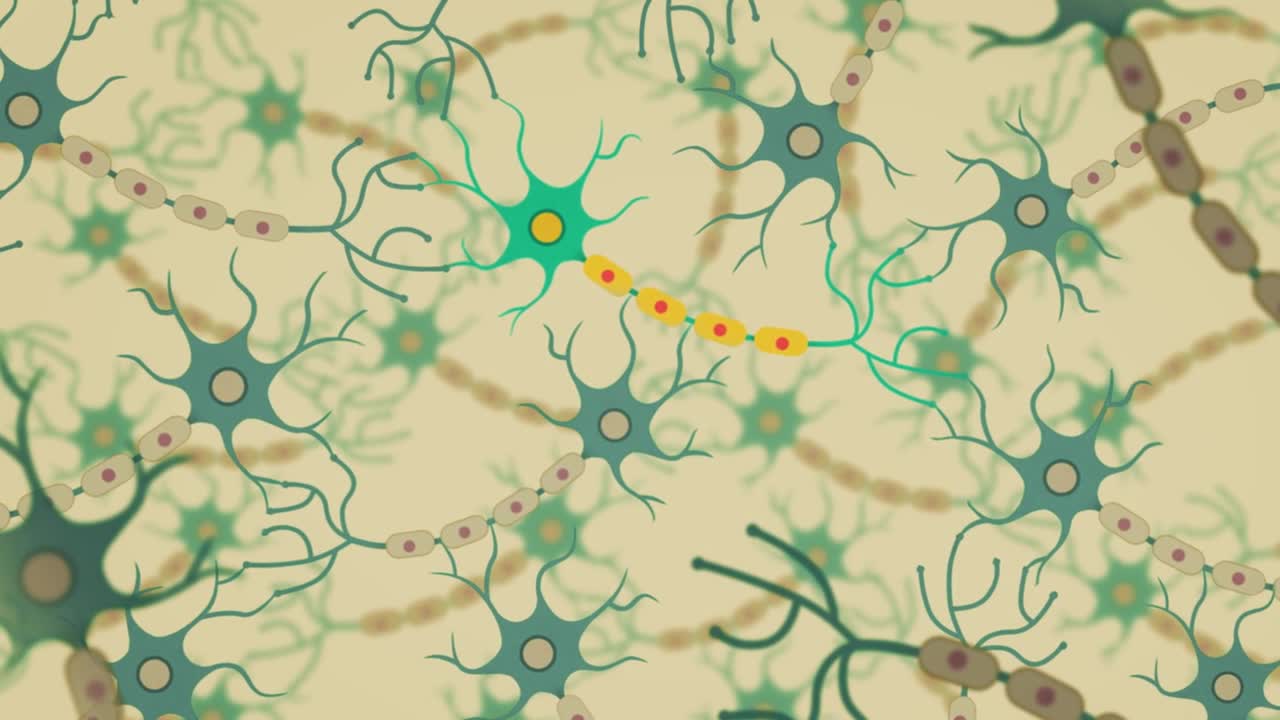
Dementia describes a group of symptoms affecting memory, language, problem solving, judgment, and behavior, arising when brain cells are damaged and can no longer communicate normally. Alzheimer disease is the most common cause, followed by damage from reduced blood flow to the brain. Other causes include Lewy body disease and damage to the front and sides of the brain. Dementia is not a normal part of aging, although risk rises with age, and abilities change gradually over time.
Symptoms
Early signs often include forgetting recent events or conversations, repeating questions, losing items, and struggling to find words or follow storylines. Managing money, medicines, cooking, and travel may become harder, and getting lost in familiar places can occur. Mood, personality, and behavior may change, with apathy, anxiety, irritability, or loss of confidence. Some forms begin with vision, movement, sleep, or behavior changes rather than memory loss. Symptoms develop slowly over months to years, unlike the sudden confusion of delirium, which needs urgent medical assessment.
Causes & risk factors
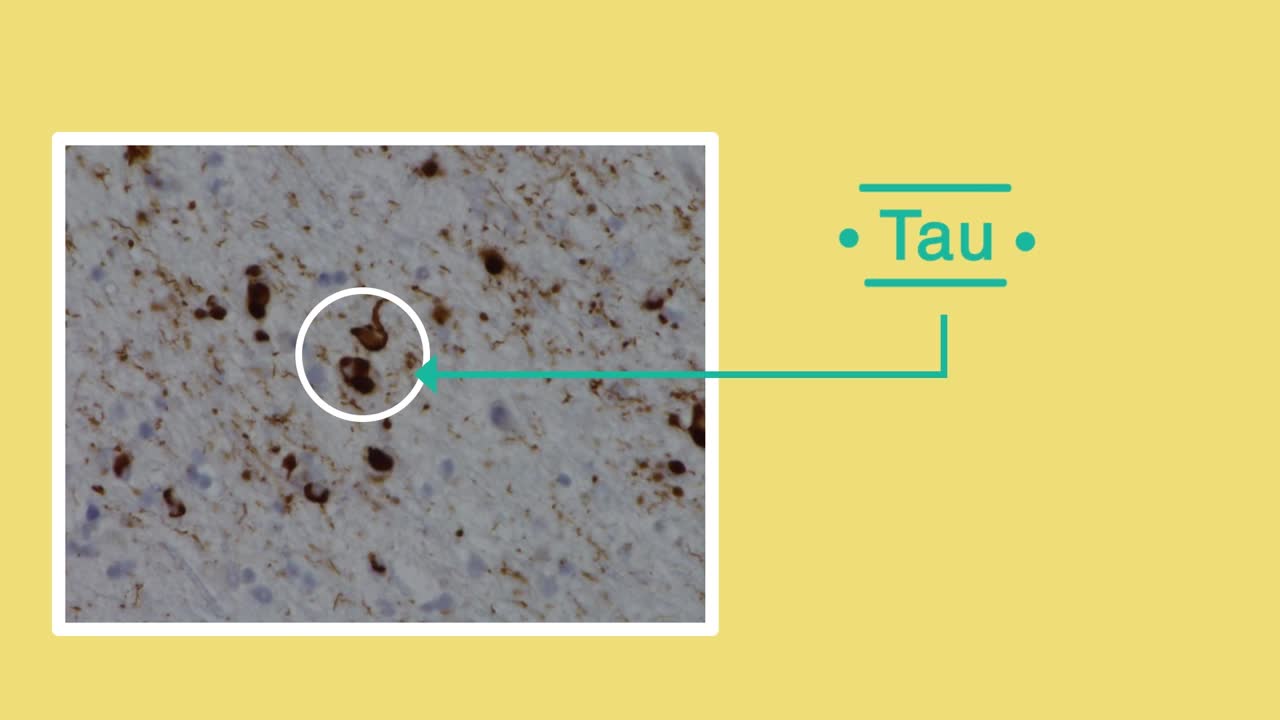
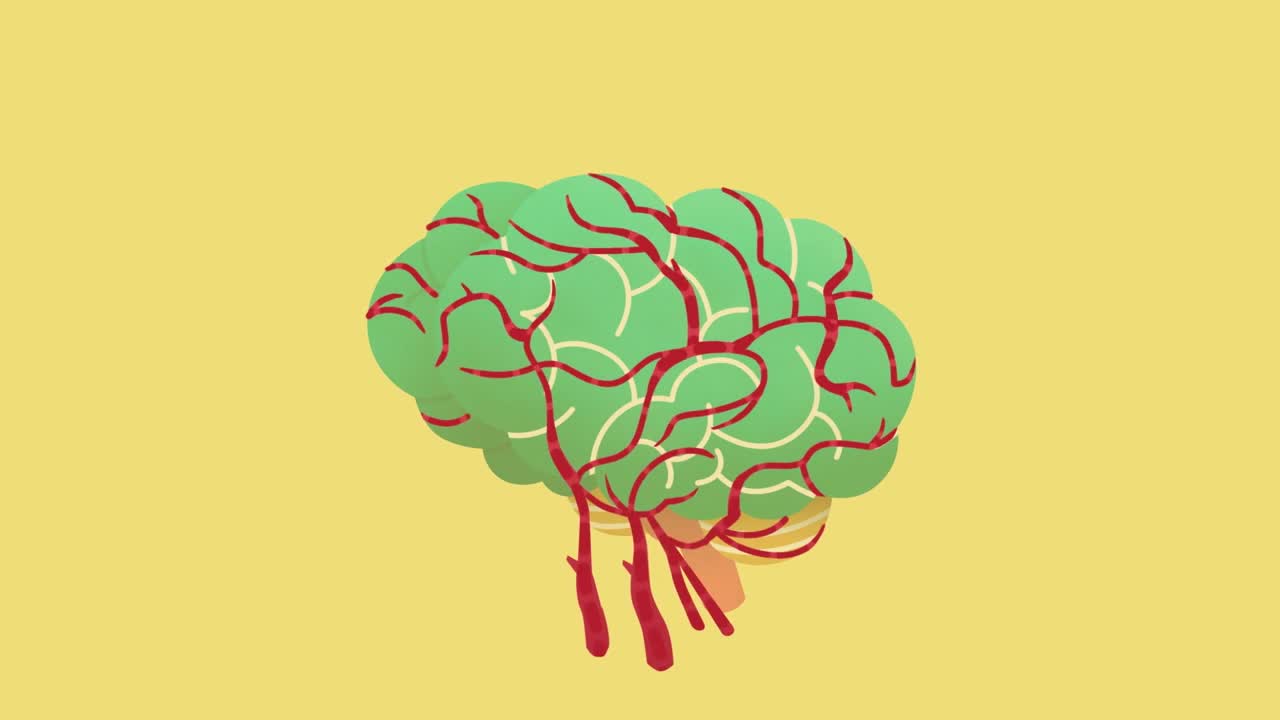
In Alzheimer disease, abnormal protein deposits are linked with gradual loss of brain cells and connections. Vascular dementia follows reduced blood supply, from major strokes or widespread small vessel damage worsened by high blood pressure, diabetes, smoking, and high cholesterol. Lewy body dementia involves different protein deposits and overlaps with Parkinson disease. Alcohol misuse, repeated head injury, and some infections or hormone and vitamin problems can also damage thinking. Some causes of confusion and memory problems, such as thyroid problems or vitamin deficiency, are treatable, which is why assessment matters.
How it's diagnosed
Assessment starts with a history from the person and someone who knows them well, covering memory, daily functioning, medicines, mood, and physical health. Clinicians use structured memory and thinking tests and examine for other causes. Blood tests check for reversible contributors such as thyroid problems, vitamin deficiency, and infection. Brain imaging may show shrinkage patterns, strokes, or other explanations and helps identify the type of dementia. Referral to a memory service or specialist is common, and diagnosis is usually made over more than one visit rather than from a single test.
Treatment overview
There is no cure for the main diseases that cause dementia, but much can be done. Some medicines can modestly help memory and thinking symptoms in Alzheimer disease for a time, and medicines may also help mood, sleep, or distressing behavior when needed. Controlling blood pressure and other vascular risks supports brain health. Structured activities, memory aids, occupational therapy, regular exercise, hearing and vision correction, and support for family carers all improve daily life. Planning ahead early, while the person can express their wishes, helps with legal, financial, and care decisions.
When to seek care
Get urgent help for sudden confusion, rapid worsening over hours or days, fever, a fall or head injury, or new weakness or speech change, since these suggest delirium, infection, or stroke rather than gradual dementia. Any steady decline in memory or daily abilities deserves a planned assessment rather than being dismissed as aging.
Frequently asked questions
Is dementia the same as Alzheimer disease?
Dementia is the overall term for symptoms such as memory loss and thinking difficulty that interfere with daily life, while Alzheimer disease is the most common disease causing it. Other causes include blood vessel damage, Lewy body disease, and frontotemporal damage.
Can dementia be prevented?
Not all dementia can be prevented, but keeping blood pressure, diabetes, and cholesterol controlled, staying physically and socially active, not smoking, limiting alcohol, and treating hearing loss all support brain health. These steps lower risk and also help general heart and stroke health.
Why is early diagnosis helpful if there is no cure?
Early diagnosis rules out treatable causes, allows medicines and support to start sooner, and gives the person time to plan finances, legal matters, and future care while they can decide. It also connects families with carer support, benefits advice, and safety planning.
What is the difference between dementia and normal aging?
Normal aging may slow recall and multitasking, but it does not steadily remove the ability to manage everyday tasks. Dementia causes progressive difficulty with familiar activities, judgment, language, and orientation that affects independence, which is why persistent changes deserve proper assessment.
More in Brain & Nerves
Related topics on MedicalVideos.com
Sources & further reading
Authoritative references for readers who want to go deeper:
- MedlinePlus: Dementia
- NHS: Dementia
- WHO: Dementia Fact Sheet
- Alzheimer's Association (Alzheimer's Association)
This page is for general education only and is not medical advice. Sudden confusion developing over hours or days is usually delirium or another urgent medical problem, not gradual dementia, and needs same day emergency assessment.