- Physical Examination
- Surgical Examination
- Ophthalmology
- Clinical Skills
- Orthopedics
- Surgery Videos
- Laparoscopy
- Pediatrics
- Funny Videos
- Cardiothoracic Surgery
- Nursing Videos
- Plastic Surgery
- Otorhinolaryngology
- Histology and Histopathology
- Neurosurgery
- Dermatology
- Pediatric Surgery
- Urology
- Dentistry
- Oncology and Cancers
- Anatomy Videos
- Health and Fitness
- Radiology
- Anaesthesia
- Physical Therapy
- Pharmacology
- Interventional Radiology
- Cardiology
- Endocrinology
- Gynecology
- Emergency Medicine
- Psychiatry and Psychology
- Childbirth Videos
- General Medical Videos
- Nephrology
- Physiology
- Diet and Food Health
- Diabetes Mellitus
- Neurology
- Women Health
- Osteoporosis
- Gastroenterology
- Pulmonology
- Hematology
- Rheumatology
- Toxicology
- Nuclear Medicine
- Infectious Diseases
- Vascular Disease
- Reproductive Health
- Burns and Wound Healing
- Kidney Zone Podcast
- Other
Stroke — Recognise FAST and Act

What to do
- Use FAST: Face — has the face dropped on one side? Can they smile? Arms — can they lift both arms and keep them raised? Speech — is speech slurred or strange? Time — if you see any of these, it is time to call 911 immediately.
- Note the exact time the symptoms started (or when the person was last known well) and tell the ambulance crew — it decides which treatments are possible.
- Call 911 even if symptoms are improving or come and go — a mini-stroke (TIA) is a warning of a major stroke and needs emergency assessment.
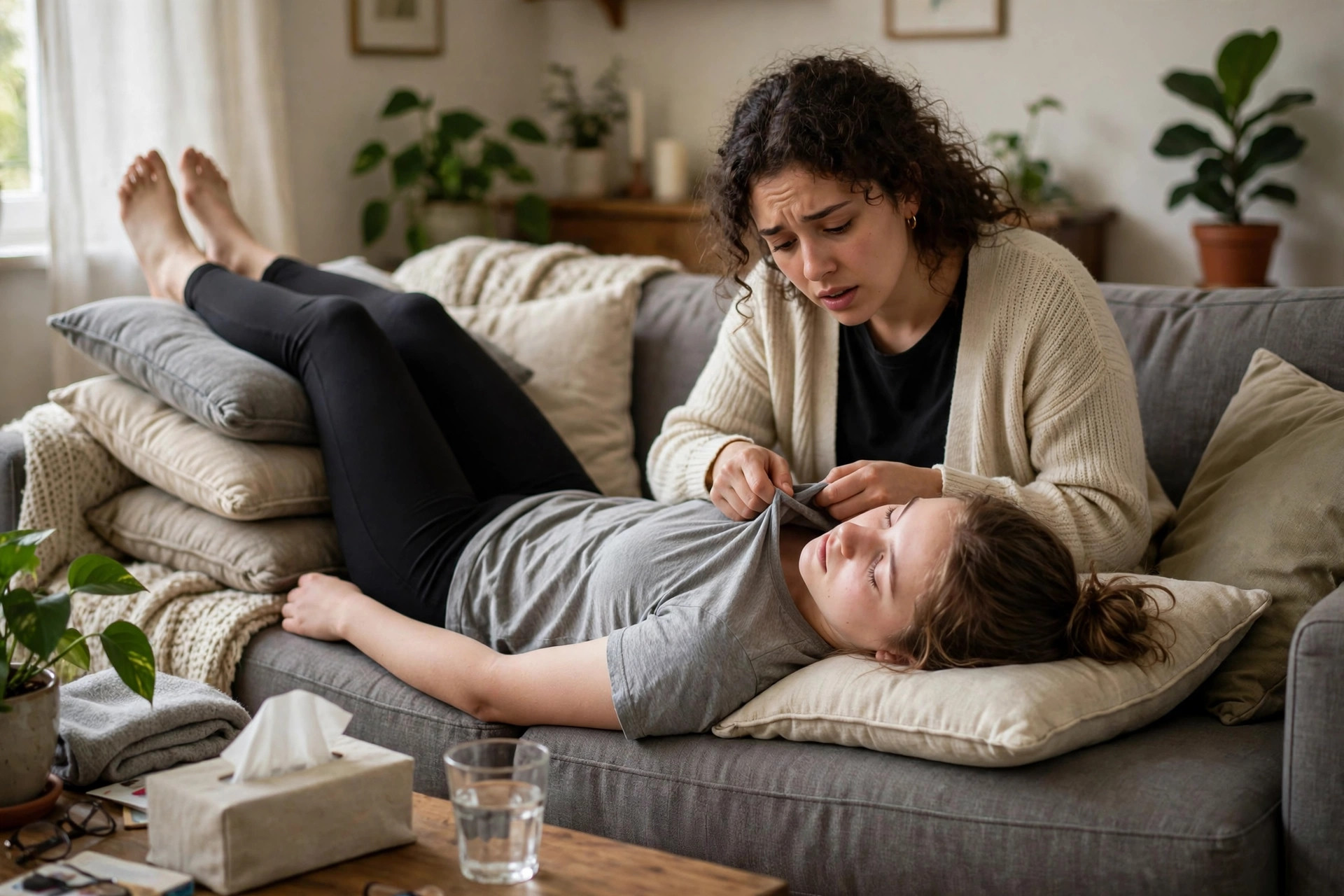
- Keep the person comfortable, lying down with head and shoulders slightly raised, or sitting supported. Loosen tight clothing.
- Give nothing to eat or drink — swallowing may be unsafe after a stroke and could cause choking.
- Monitor response and breathing. If they become unresponsive but are breathing, place them in the recovery position on their weaker side if possible; if not breathing normally, start CPR.
What NOT to do
- Do not give aspirin or any medication — some strokes are caused by bleeding, and medicines can worsen them. Hospital scans come first.
- Do not wait to see if symptoms pass.
- Do not give food or drink, even if they ask — swallowing may be impaired.
- Do not drive the person yourself if an ambulance can come — paramedics start assessment and alert the stroke unit en route.
When to get medical care
Any FAST sign, sudden weakness or numbness on one side, sudden confusion or speech problems, sudden vision loss, a sudden severe headache, or sudden loss of balance is a 911 emergency — even if it resolves within minutes. Note the time symptoms began and tell responders.
Related conditions
Related procedures & tests
Related symptoms
Frequently asked questions
Why does the time symptoms started matter so much?
Clot-busting treatment and clot-retrieval procedures for stroke are only safe within limited time windows from symptom onset. Knowing when the person was last well lets the hospital team calculate eligibility immediately.
What is a mini-stroke (TIA)?
A transient ischaemic attack is a temporary blockage causing stroke symptoms that resolve within minutes or hours. It is a medical emergency in its own right because a full stroke often follows within days — always call 911 or get emergency assessment the same day.
In an emergency, call 911 (or your local emergency number) first — do not delay a call to read a guide. These pages are educational first-aid information in general terms; they are not a substitute for emergency services, first-aid training, or assessment by a qualified clinician.