
- Physical Examination
- Surgical Examination
- Ophthalmology
- Clinical Skills
- Orthopedics
- Surgery Videos
- Laparoscopy
- Pediatrics
- Funny Videos
- Cardiothoracic Surgery
- Nursing Videos
- Plastic Surgery
- Otorhinolaryngology
- Histology and Histopathology
- Neurosurgery
- Dermatology
- Pediatric Surgery
- Urology
- Dentistry
- Oncology and Cancers
- Anatomy Videos
- Health and Fitness
- Radiology
- Anaesthesia
- Physical Therapy
- Pharmacology
- Interventional Radiology
- Cardiology
- Endocrinology
- Gynecology
- Emergency Medicine
- Psychiatry and Psychology
- Childbirth Videos
- General Medical Videos
- Nephrology
- Physiology
- Diet and Food Health
- Diabetes Mellitus
- Neurology
- Women Health
- Osteoporosis
- Gastroenterology
- Pulmonology
- Hematology
- Rheumatology
- Toxicology
- Nuclear Medicine
- Infectious Diseases
- Vascular Disease
- Reproductive Health
- Burns and Wound Healing
- Kidney Zone Podcast
- Other
First Aid A–Z
What would you do in the first five minutes? The MedicalVideos First Aid guide covers 76 emergencies and injuries — CPR and choking for every age, bleeding, burns, fractures, heart attack, stroke, anaphylaxis, poisoning and more — each with clear numbered steps, the common mistakes to avoid, and the warning signs that mean call 911 now. Every guide is printable as a clean one-topic sheet for a first-aid kit, workplace wall or classroom. First aid is a skill: consider a certified course so your hands know what your eyes have read.
Breathing & Circulation Emergencies
The minutes that matter most: CPR for adults, children and babies, using an AED, choking at every age, drowning, and the recovery position — the skills that keep oxygen moving until the ambulance arrives.
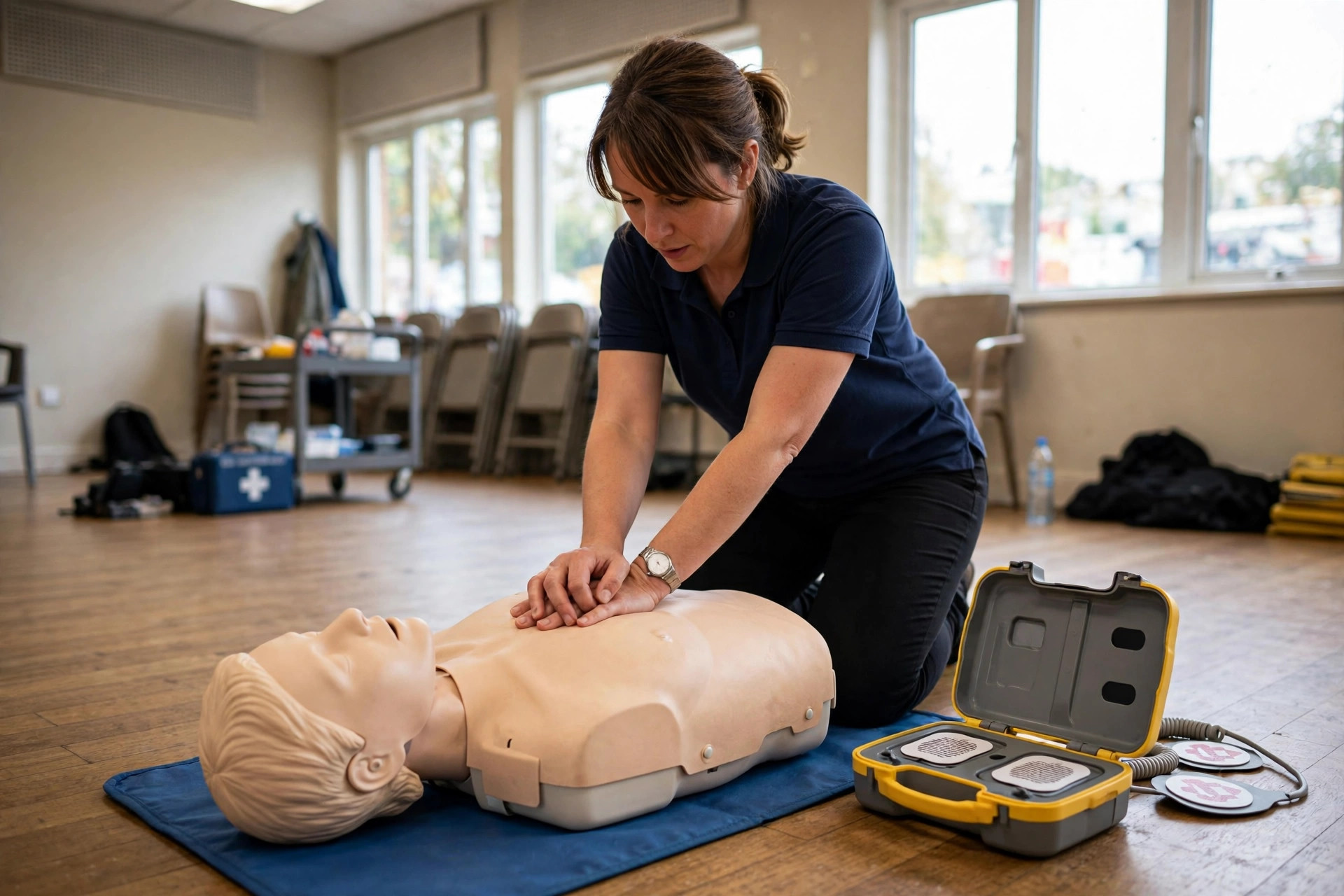 CPR for Adults
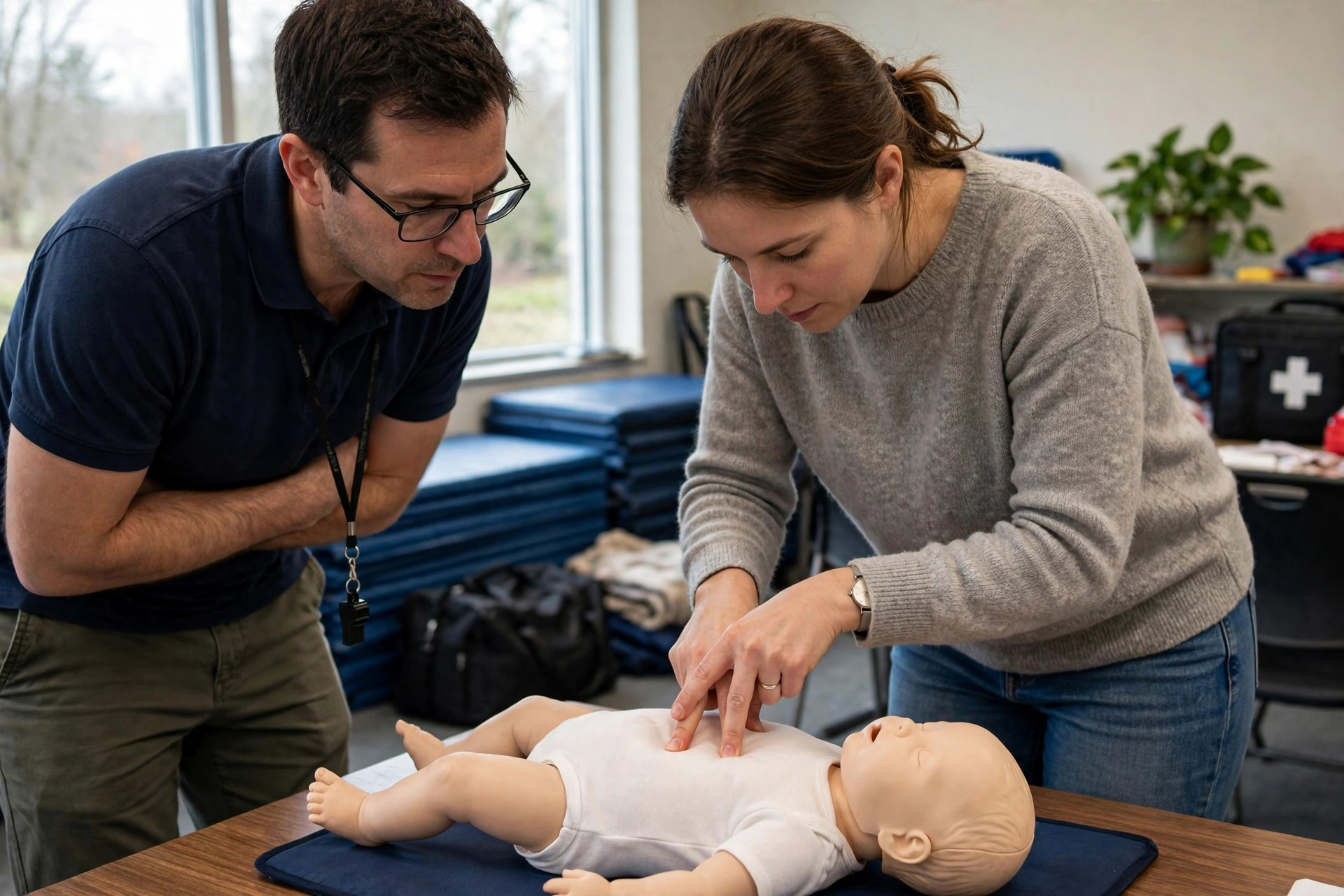 CPR for Babies (Under 1 Year)
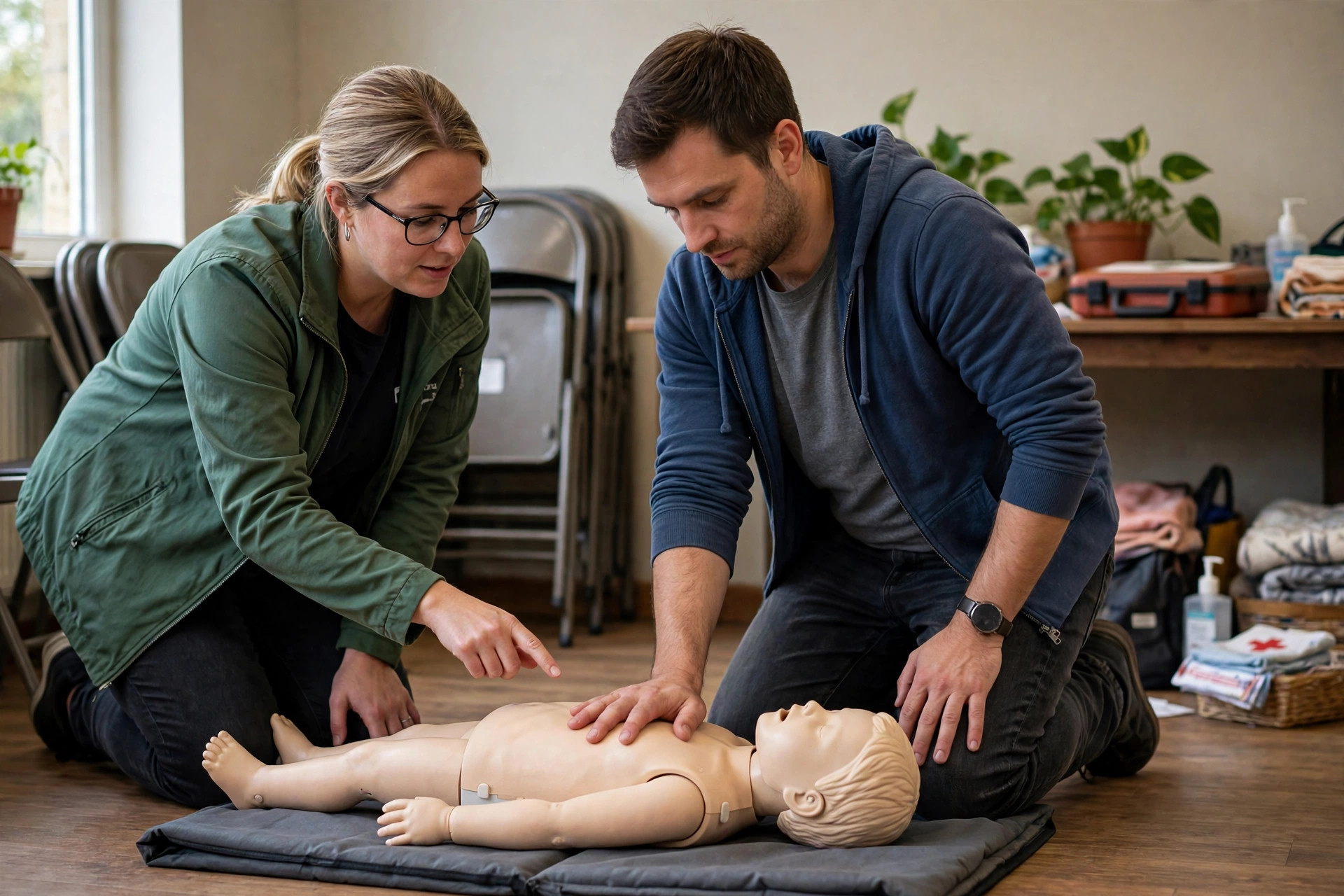 CPR for Children
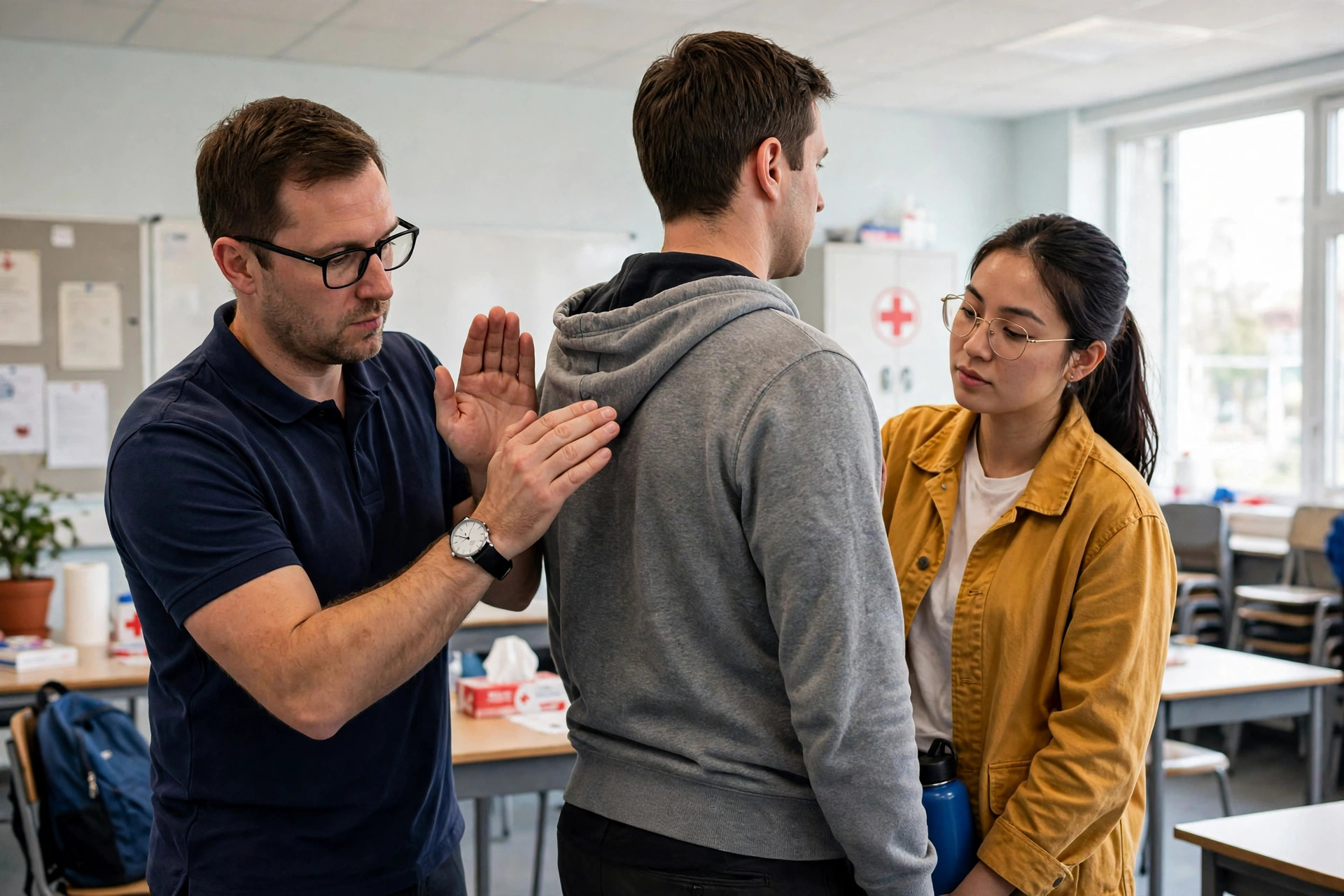 Choking in Adults
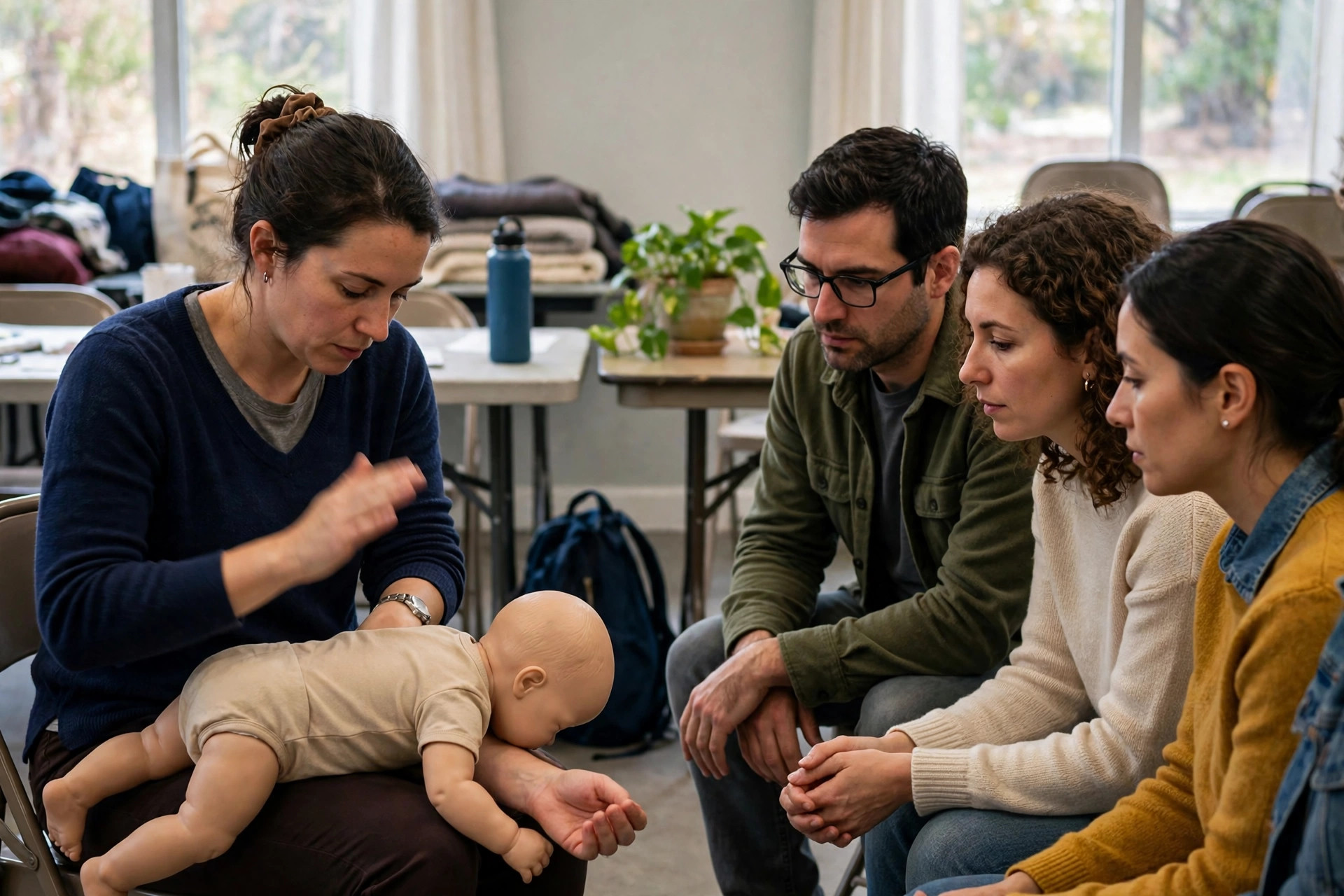 Choking in Babies (Under 1 Year)
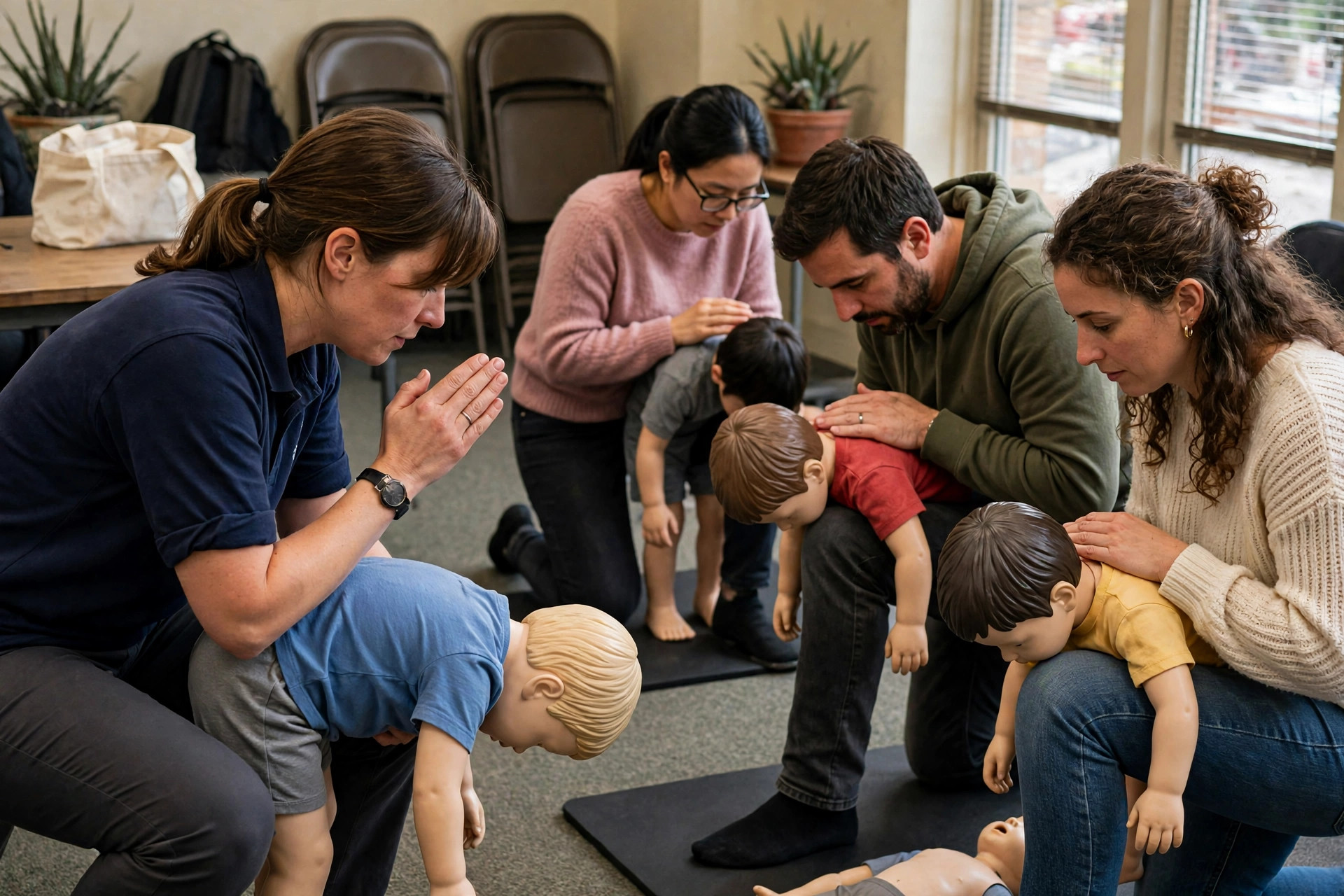 Choking in Children (Over 1 Year)
See all 10 in Breathing & Circulation Emergencies →
Bleeding & Wounds
From severe bleeding and amputations to nosebleeds, grazes and splinters: how to control bleeding, protect wounds, and recognise the hidden signs of internal bleeding and infection.
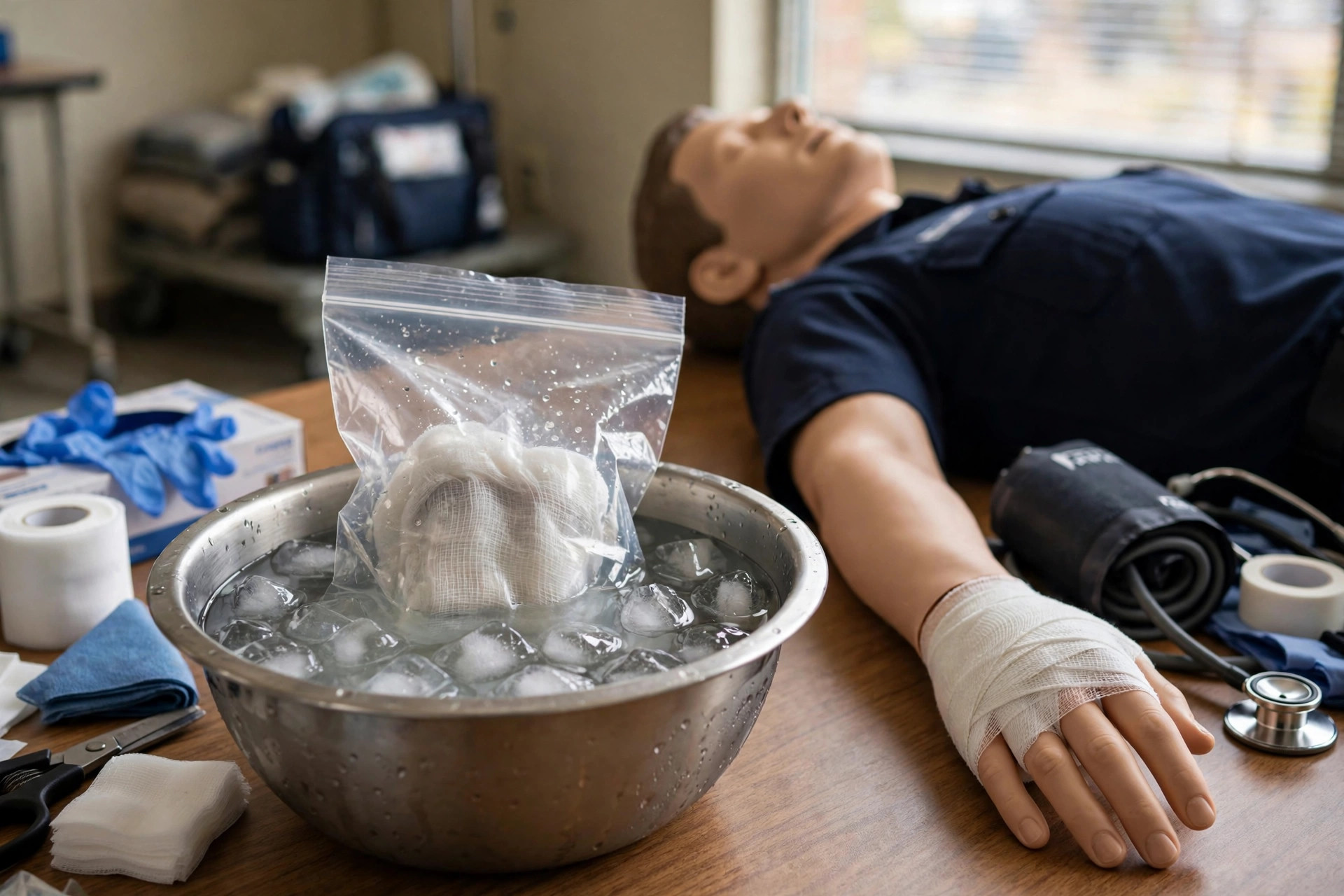 Amputated Finger, Toe or Limb — First Aid
 Bleeding Varicose Vein — First Aid
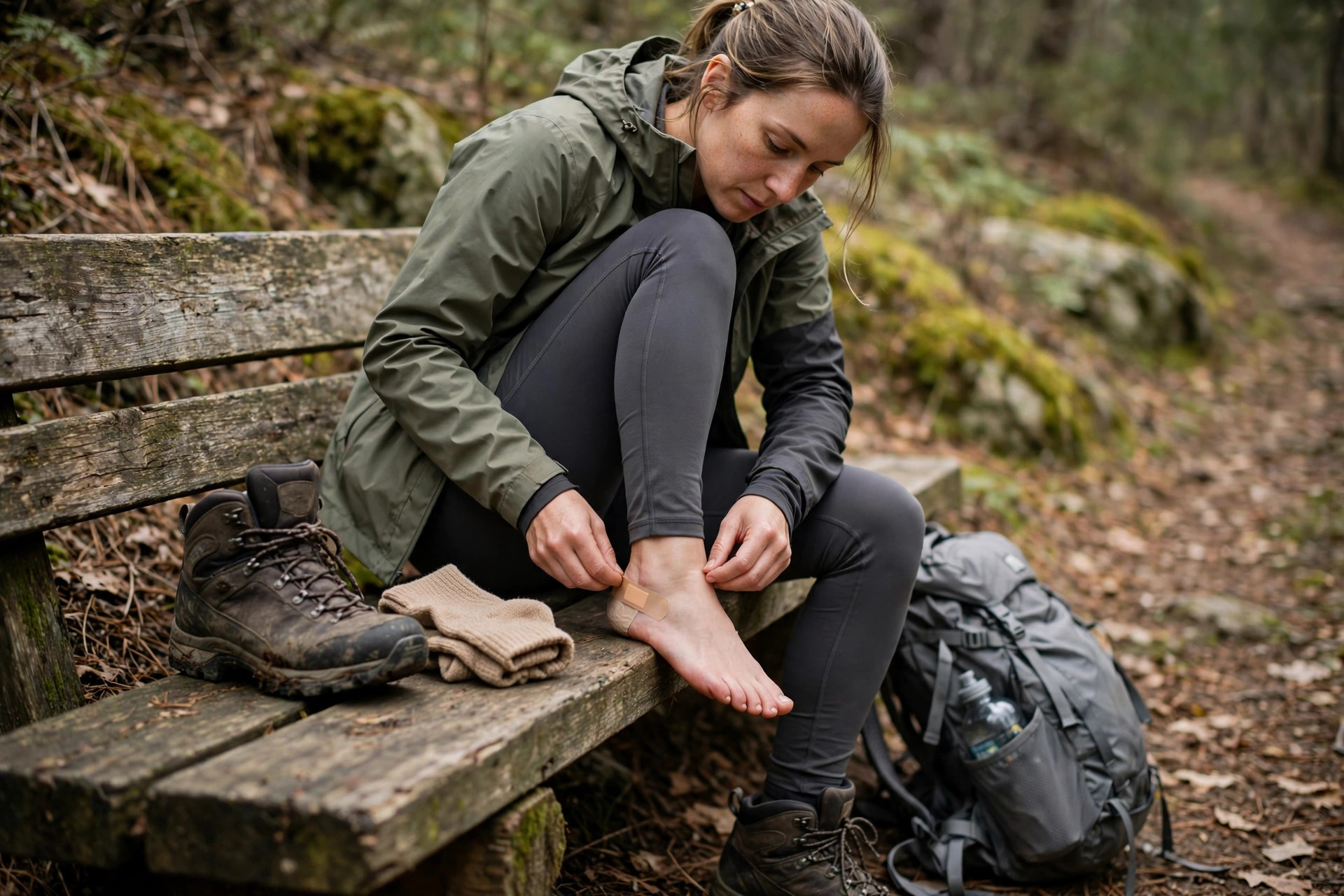 Blisters — First Aid and Care
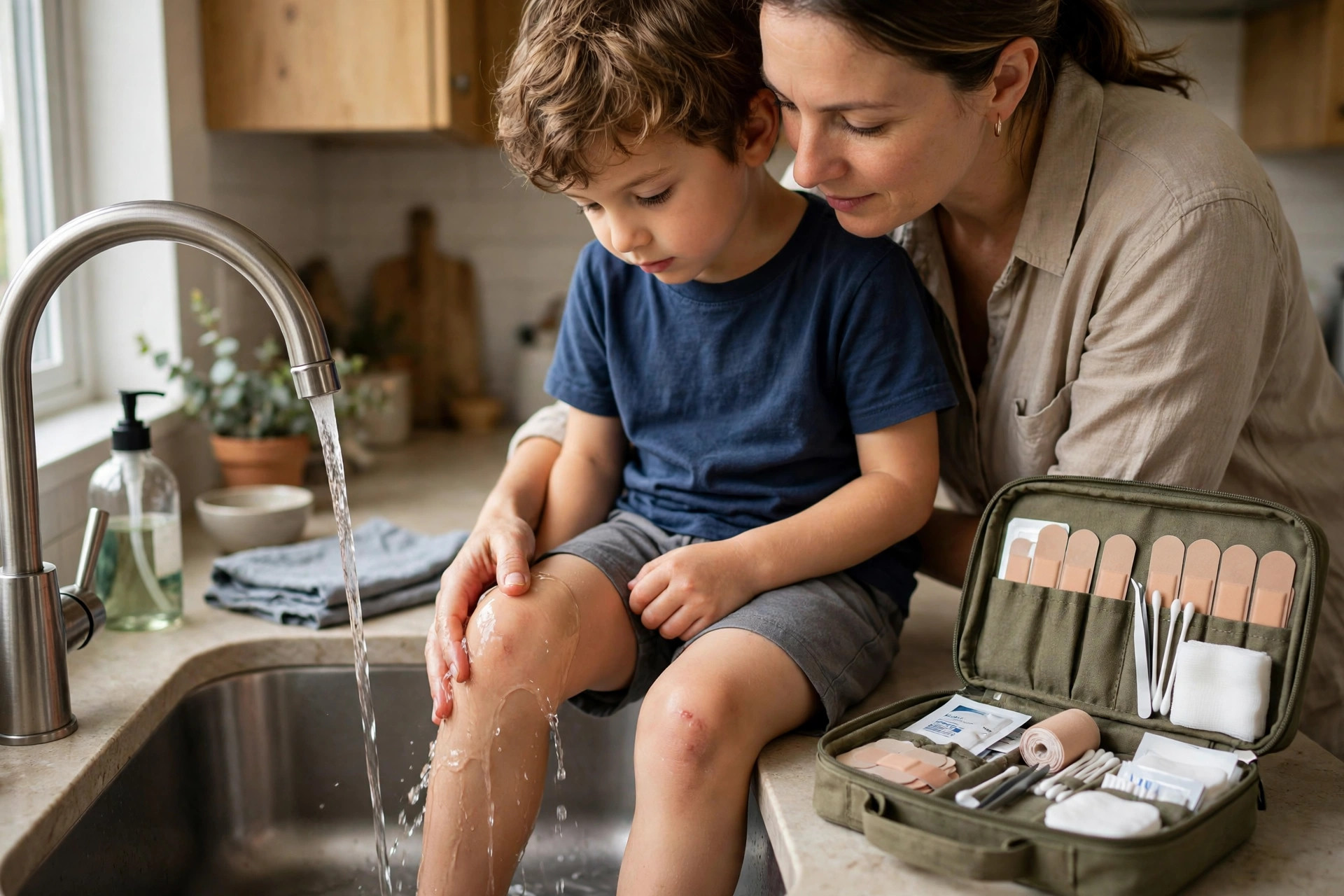 Cuts, Grazes and Scrapes — First Aid
 Internal Bleeding — Recognising the Signs
 Nosebleed — First Aid
See all 11 in Bleeding & Wounds →
Burns & Scalds
Cool running water first — the first aid for heat burns, scalds, sunburn, chemical and electrical burns, and smoke inhalation, plus the size and depth rules that decide when a burn needs hospital care.
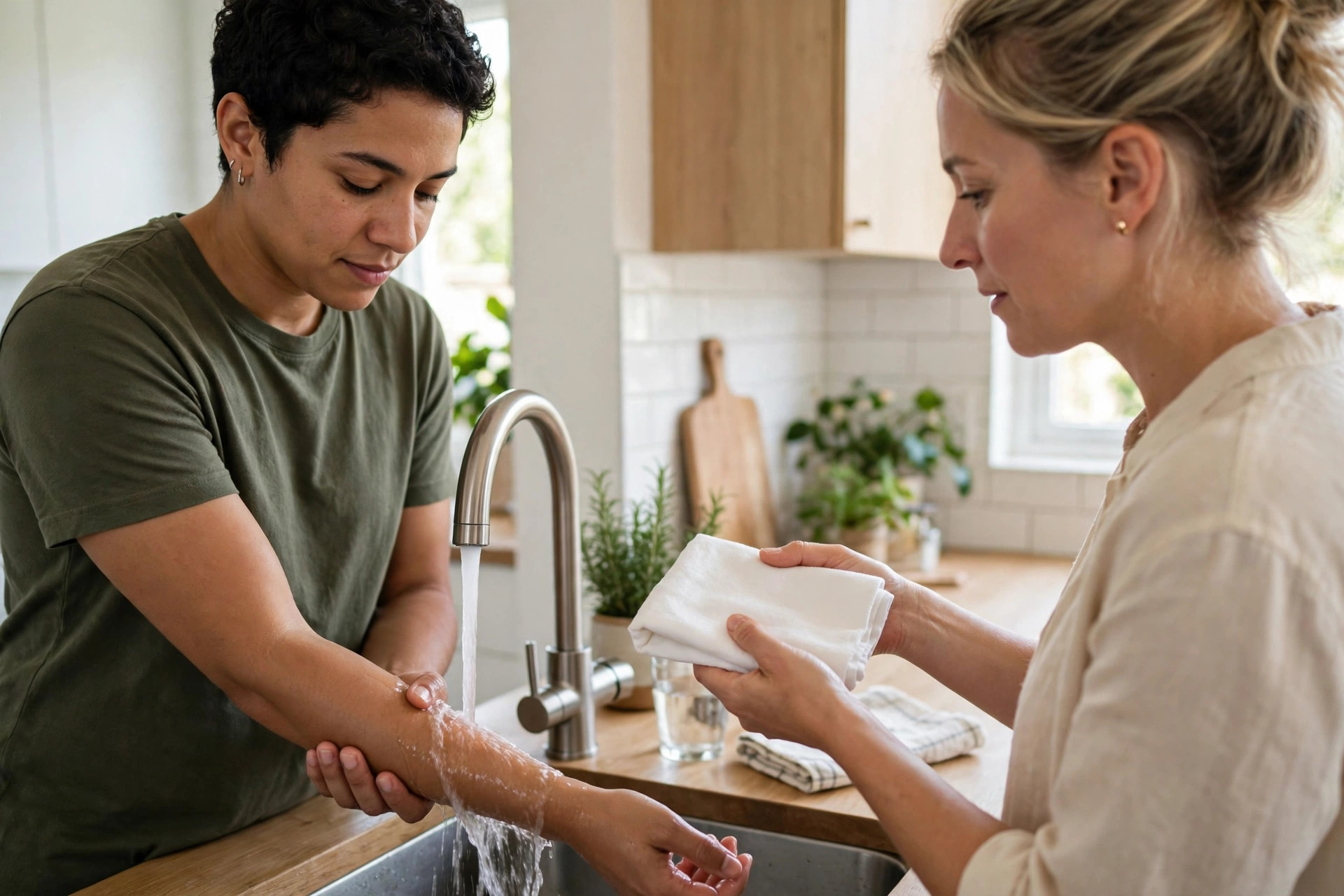 Burns — First Aid (Heat and Flames)
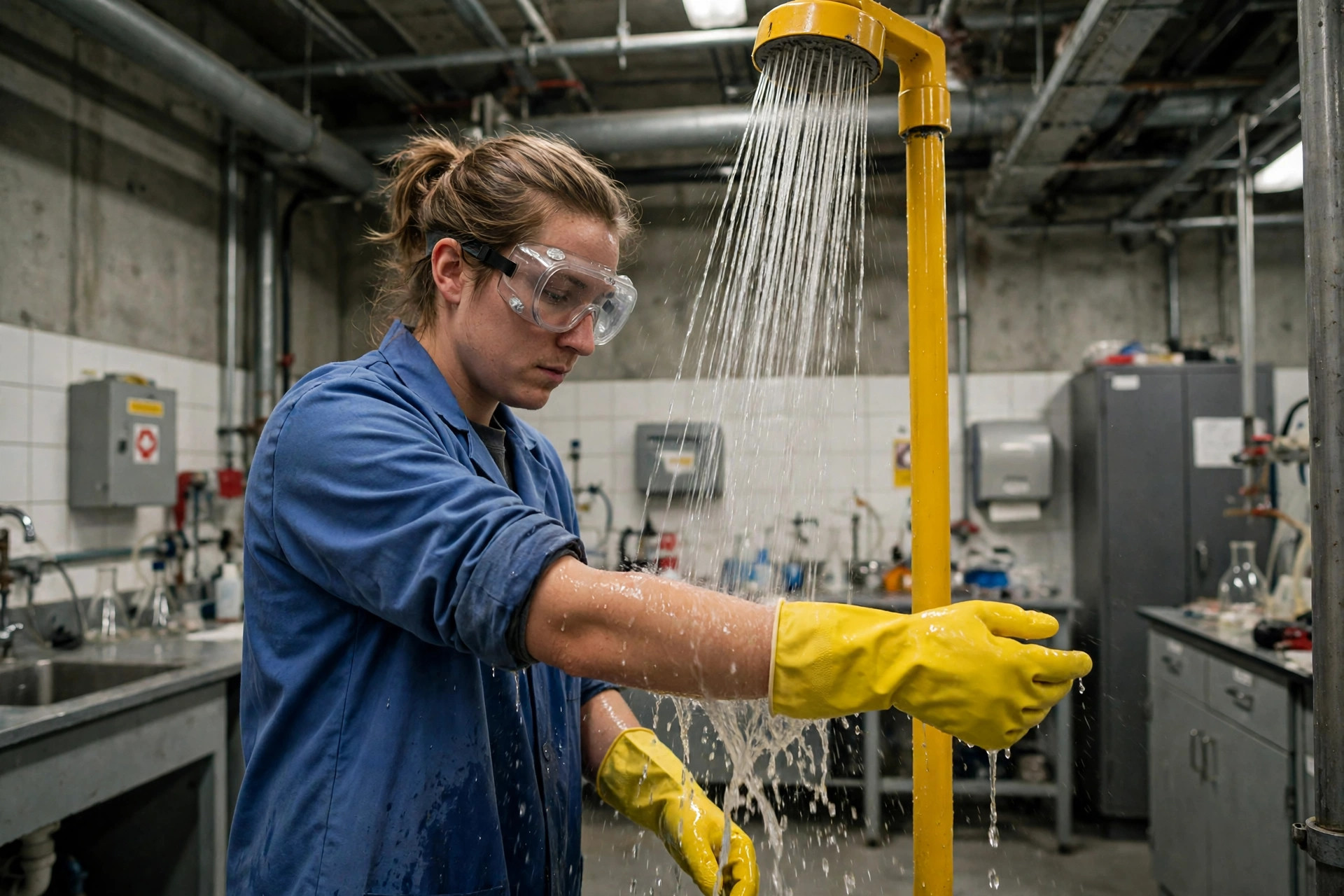 Chemical Burns — First Aid
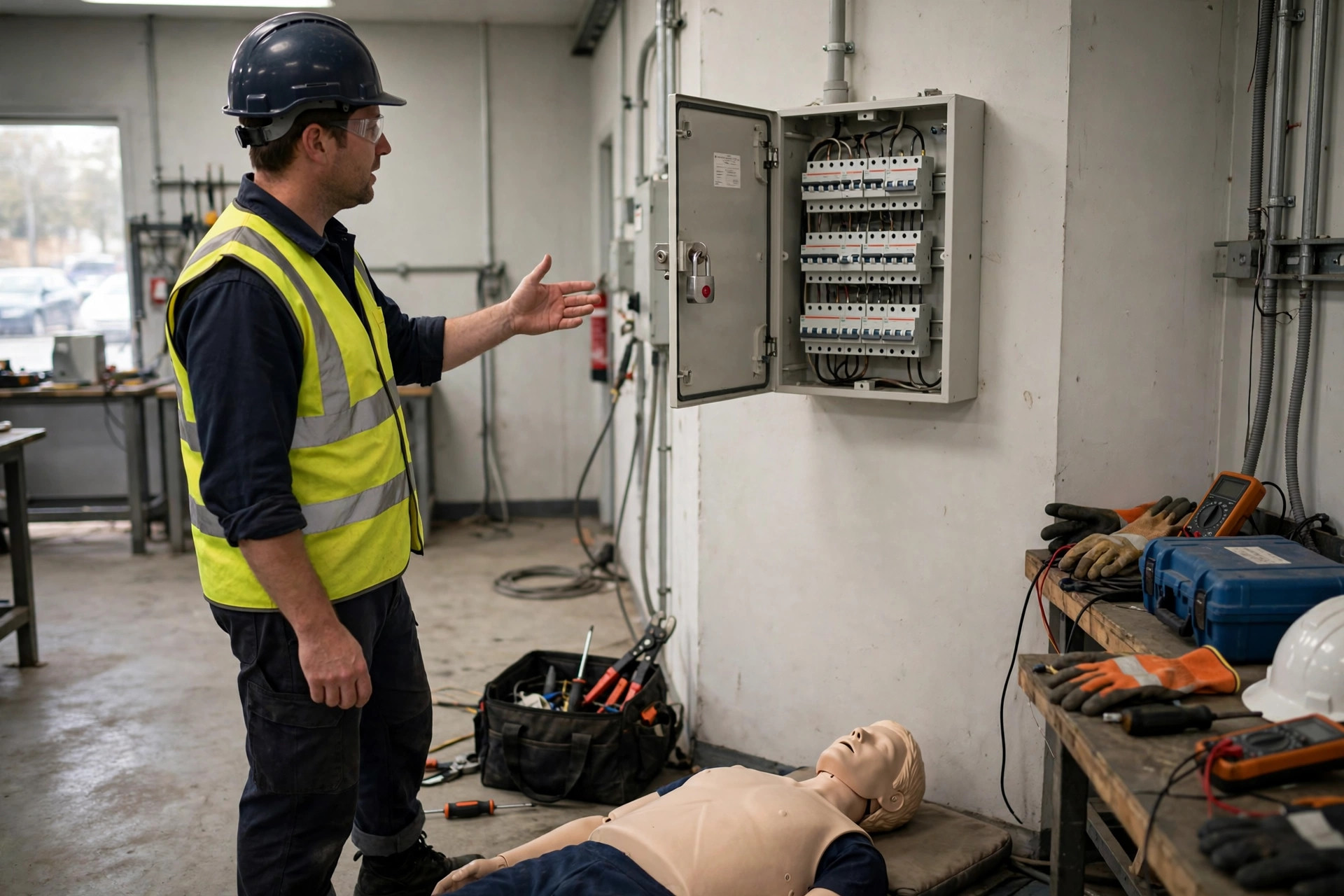 Electrical Burns — First Aid
 Scalds (Hot Liquids and Steam) — First Aid
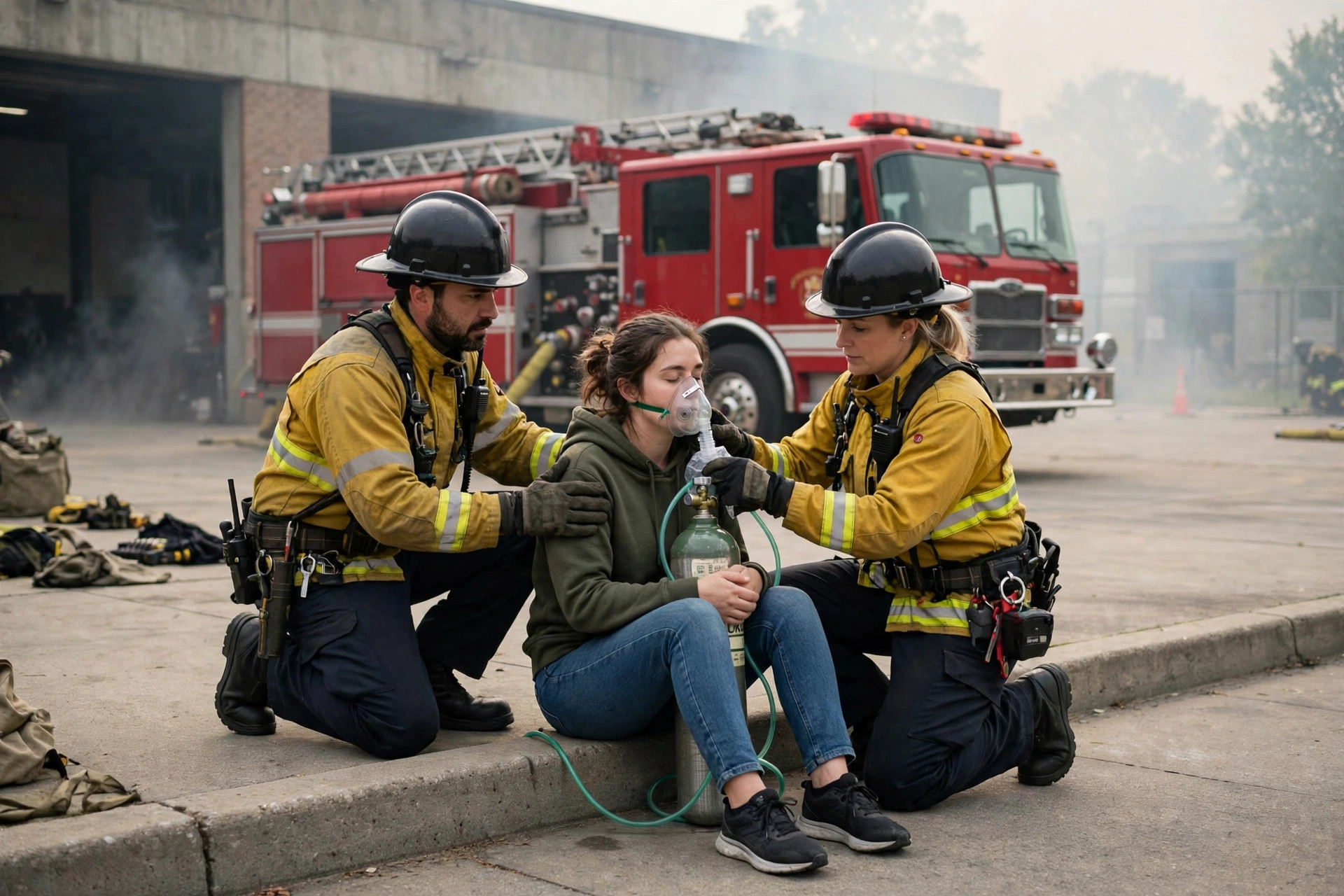 Smoke Inhalation — First Aid
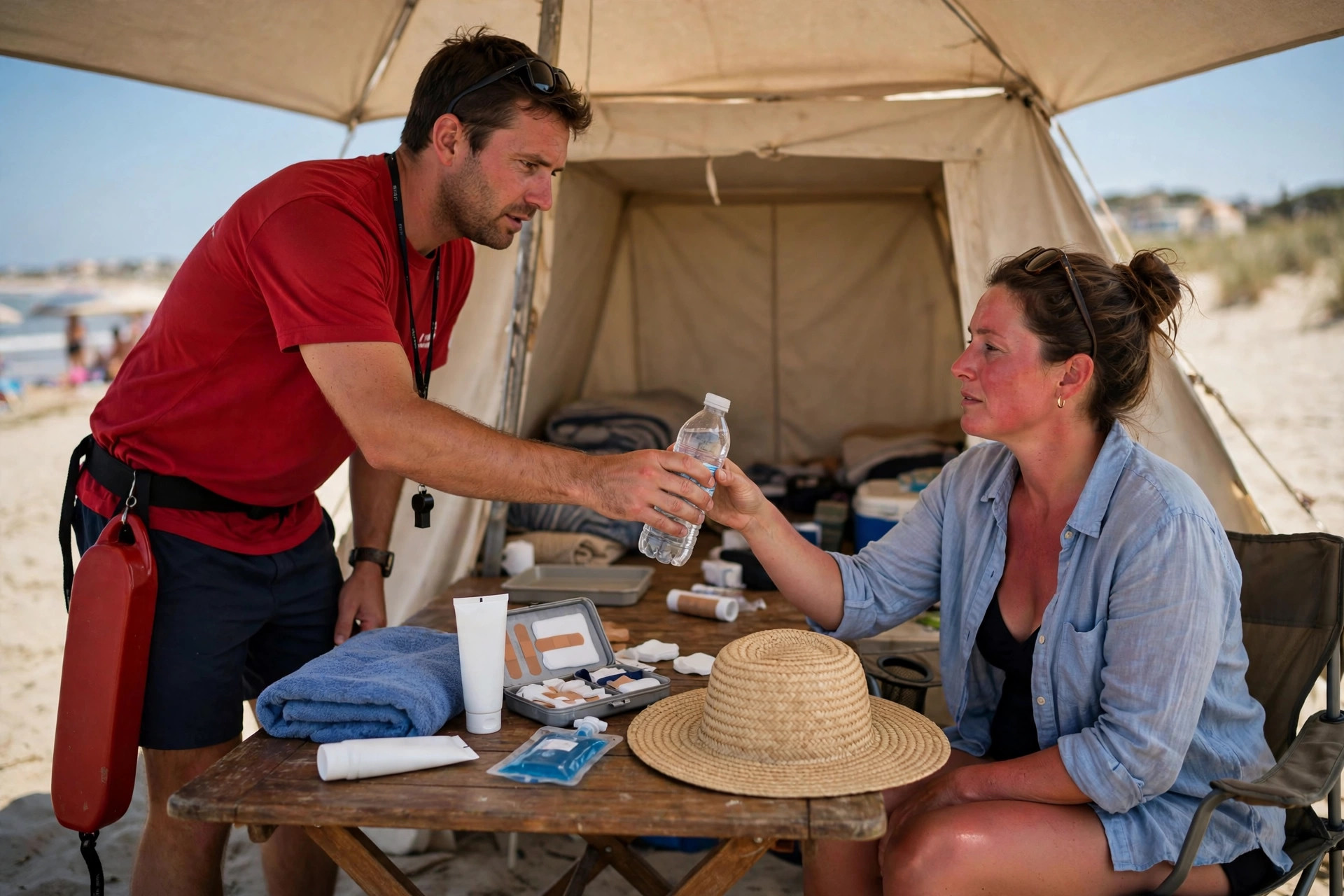 Sunburn — First Aid and Care
Bones, Joints & Muscles
Fractures, sprains, dislocations and crush injuries: how to support and splint an injured limb, protect circulation, and spot the injuries that need an ambulance rather than a car ride.
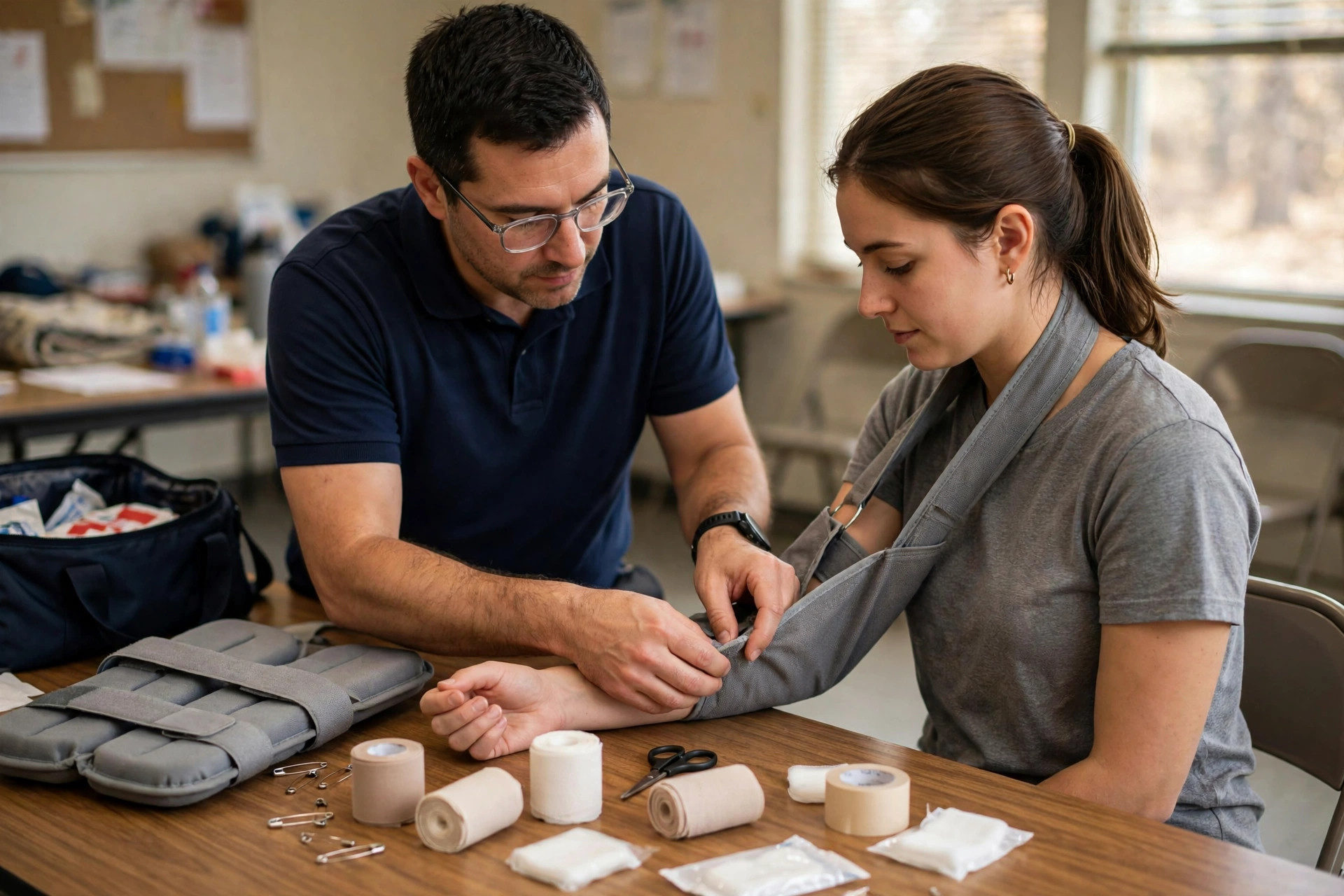 Broken Bones (Fractures) — First Aid
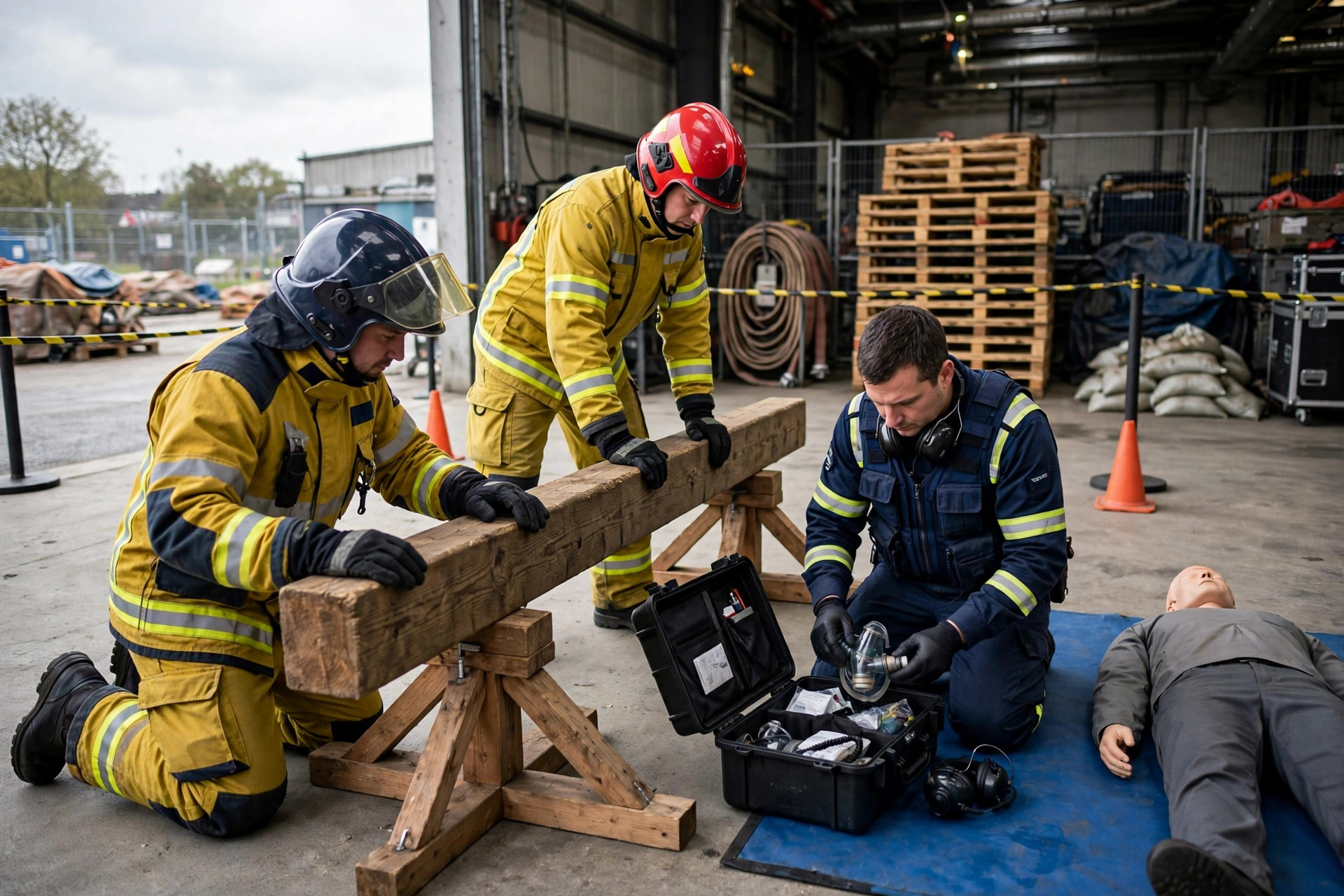 Crush Injuries — First Aid
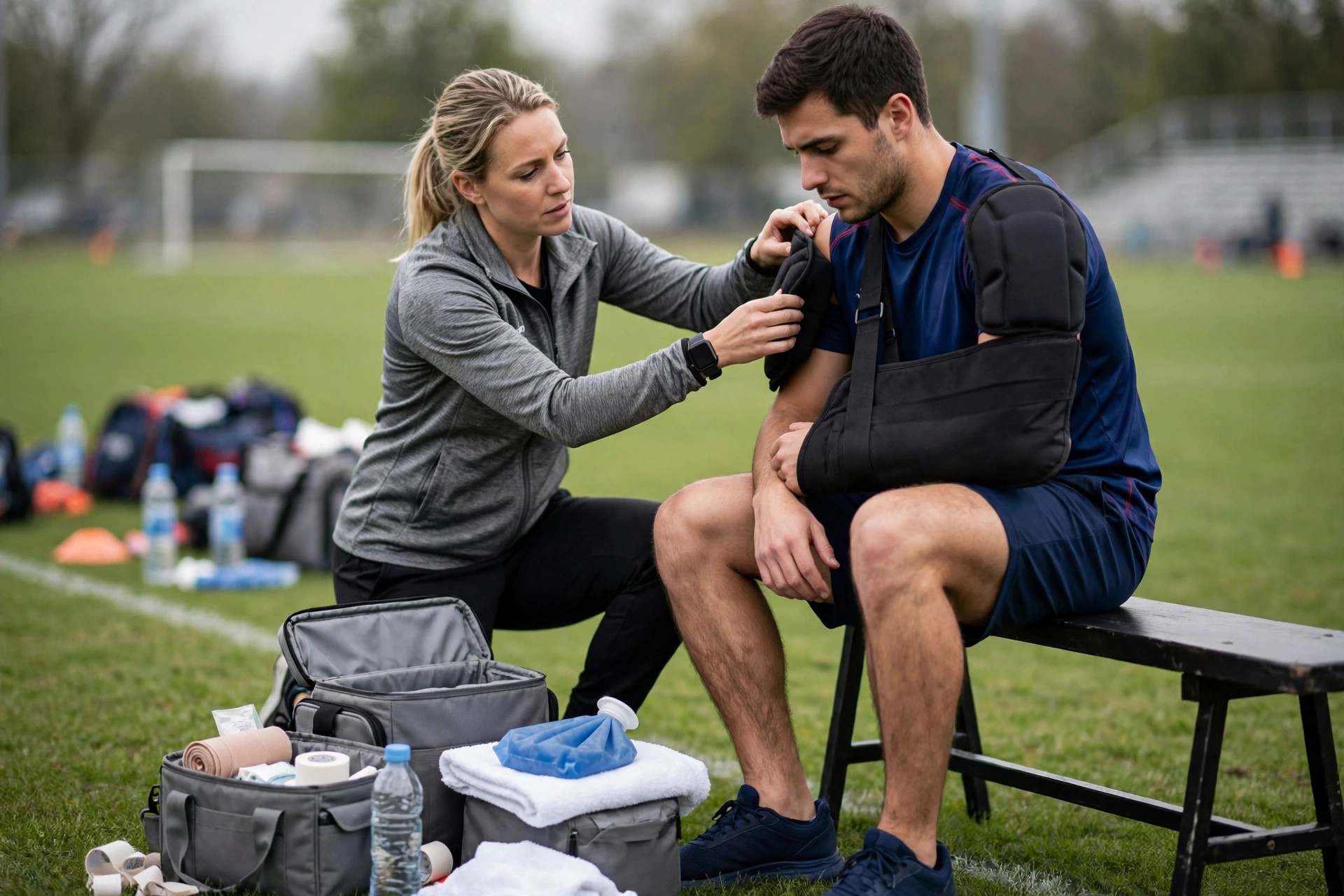 Dislocated Joints — First Aid
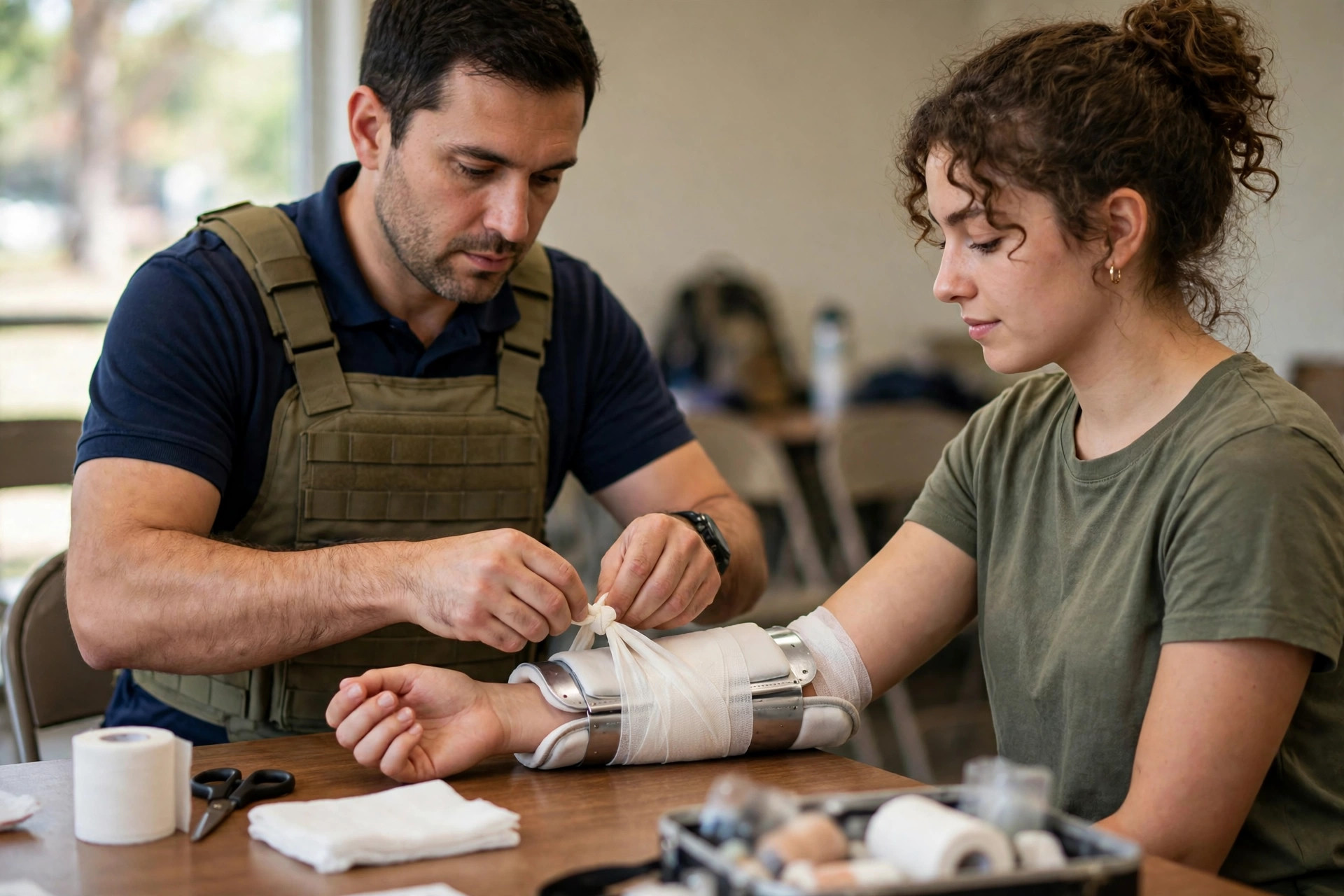 How to Apply a Splint
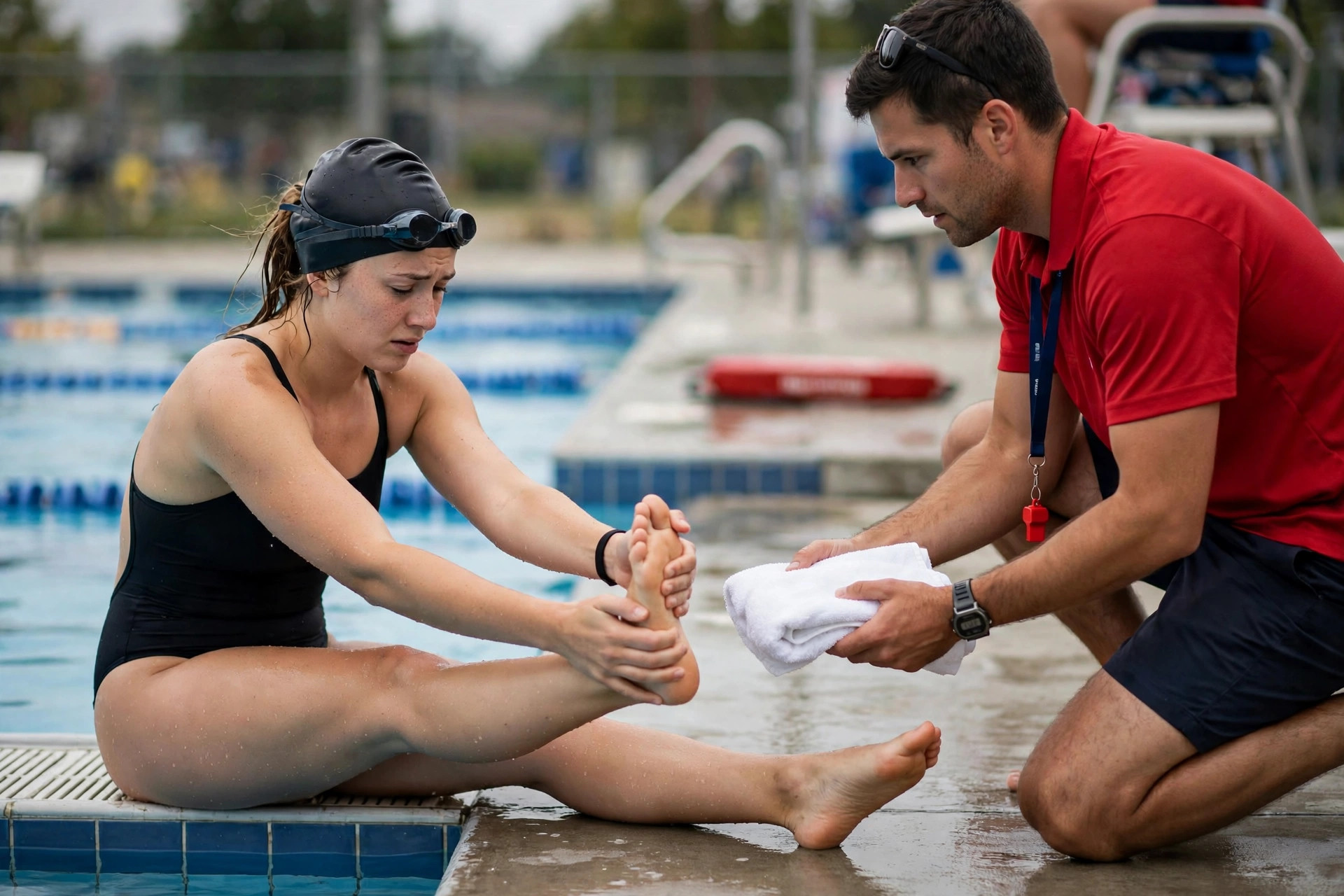 Muscle Cramps — First Aid
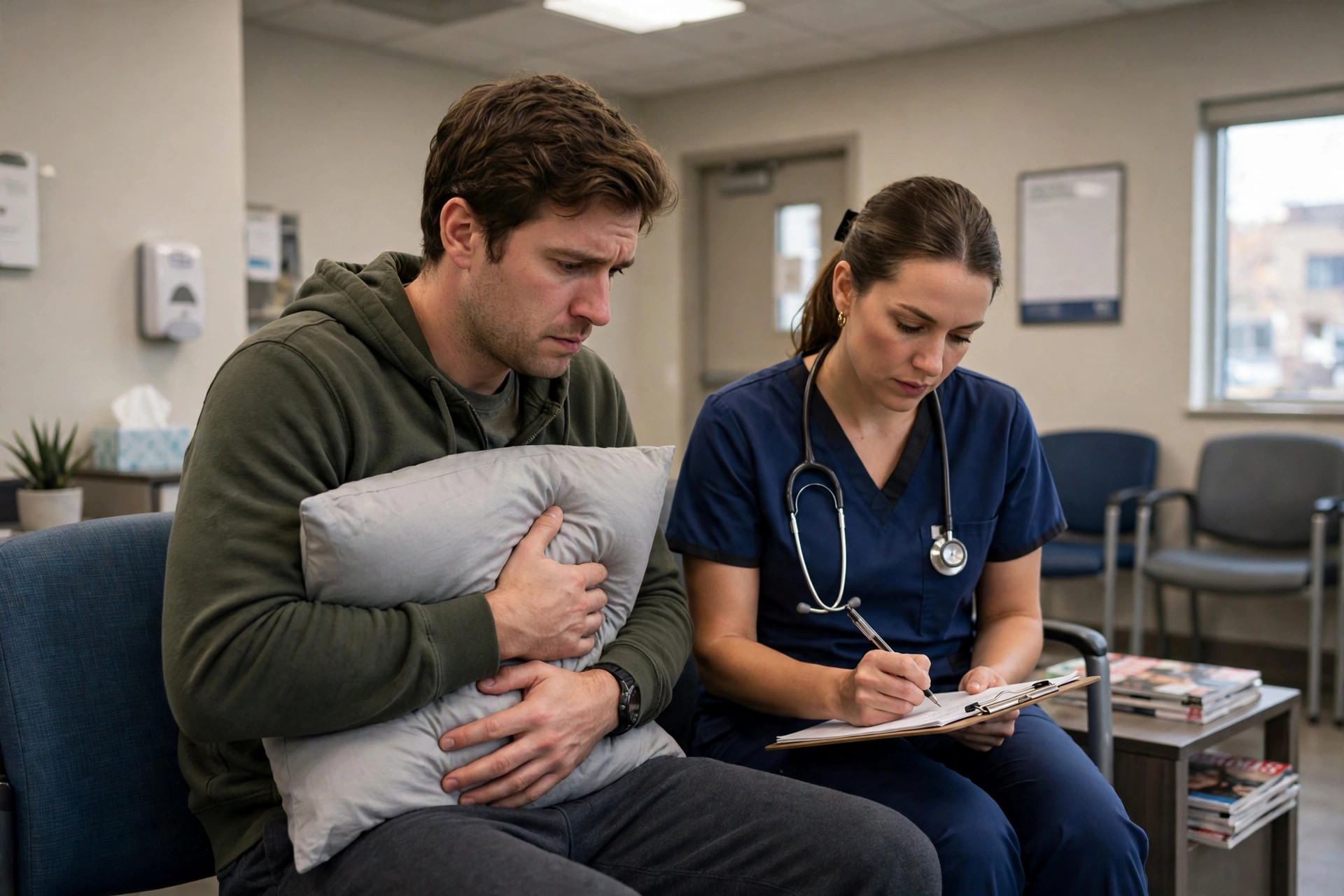 Rib Injuries (Bruised or Broken Ribs) — First Aid
See all 7 in Bones, Joints & Muscles →
Head, Neck & Spine
Head injuries and concussion warning signs, spinal precautions, eye injuries and chemical splashes, knocked-out teeth and objects stuck in ears and noses — where careful handling protects sight, brain and spine.
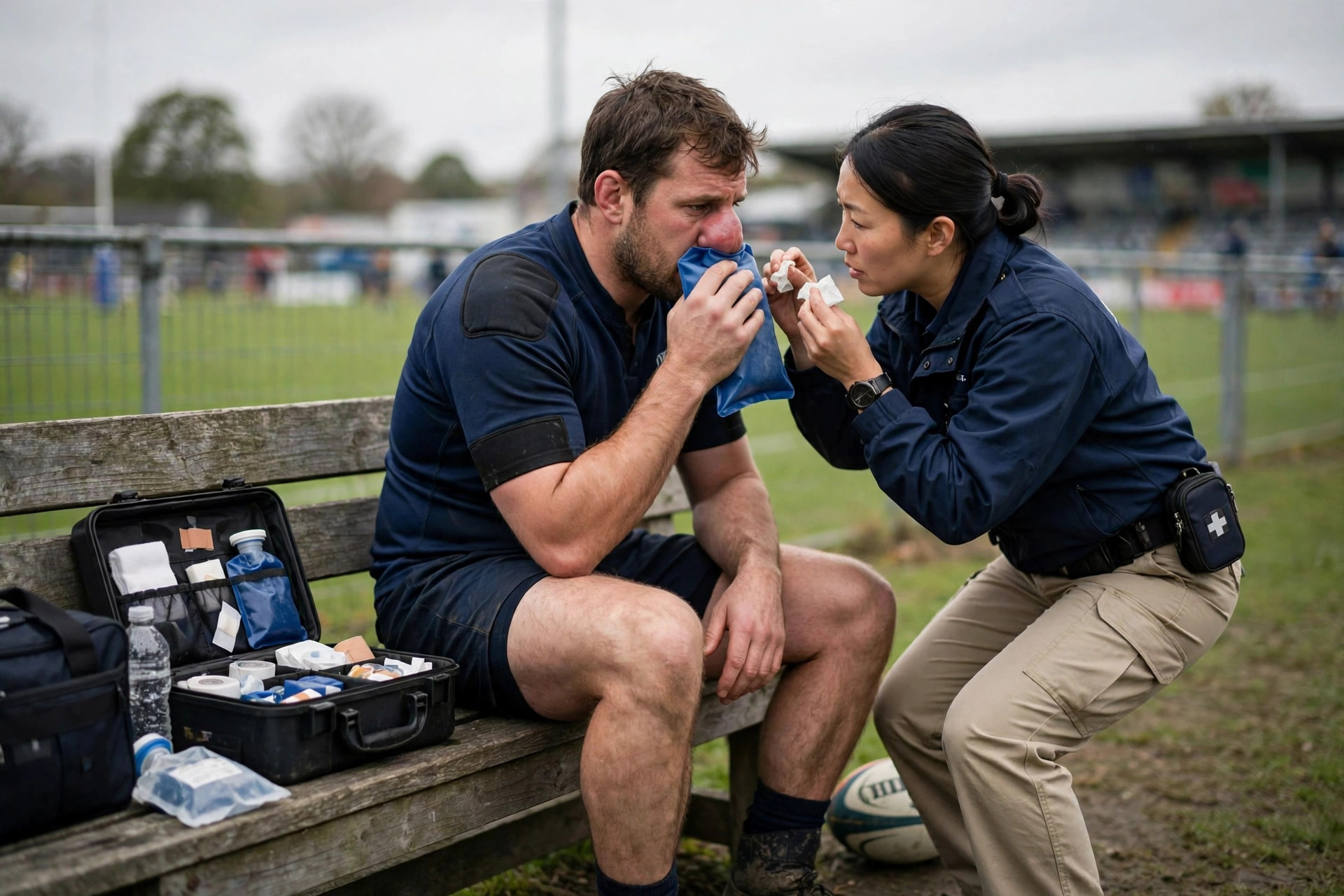 Broken Nose and Nose Injuries — First Aid
 Broken or Chipped Tooth — First Aid
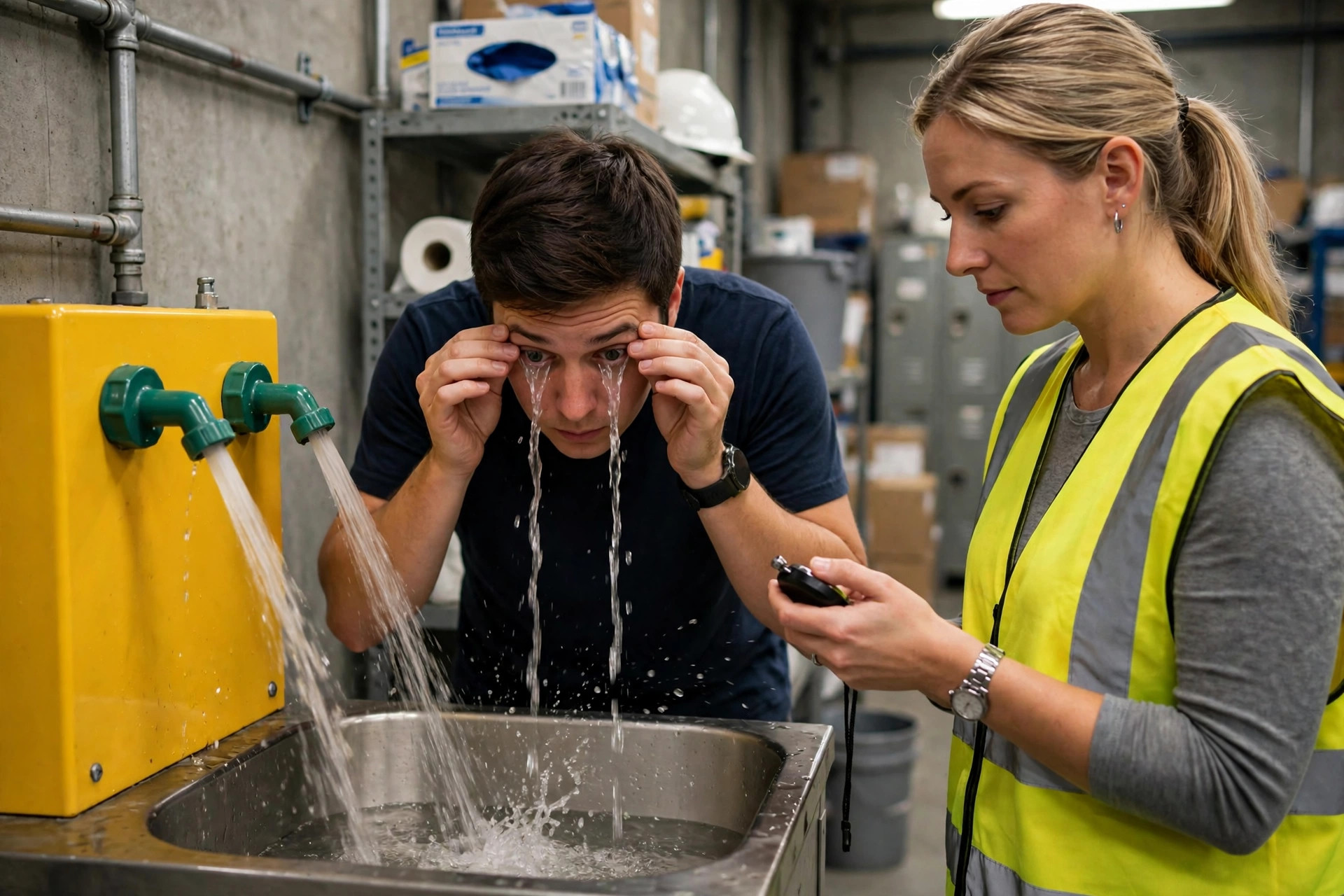 Chemicals in the Eye — First Aid
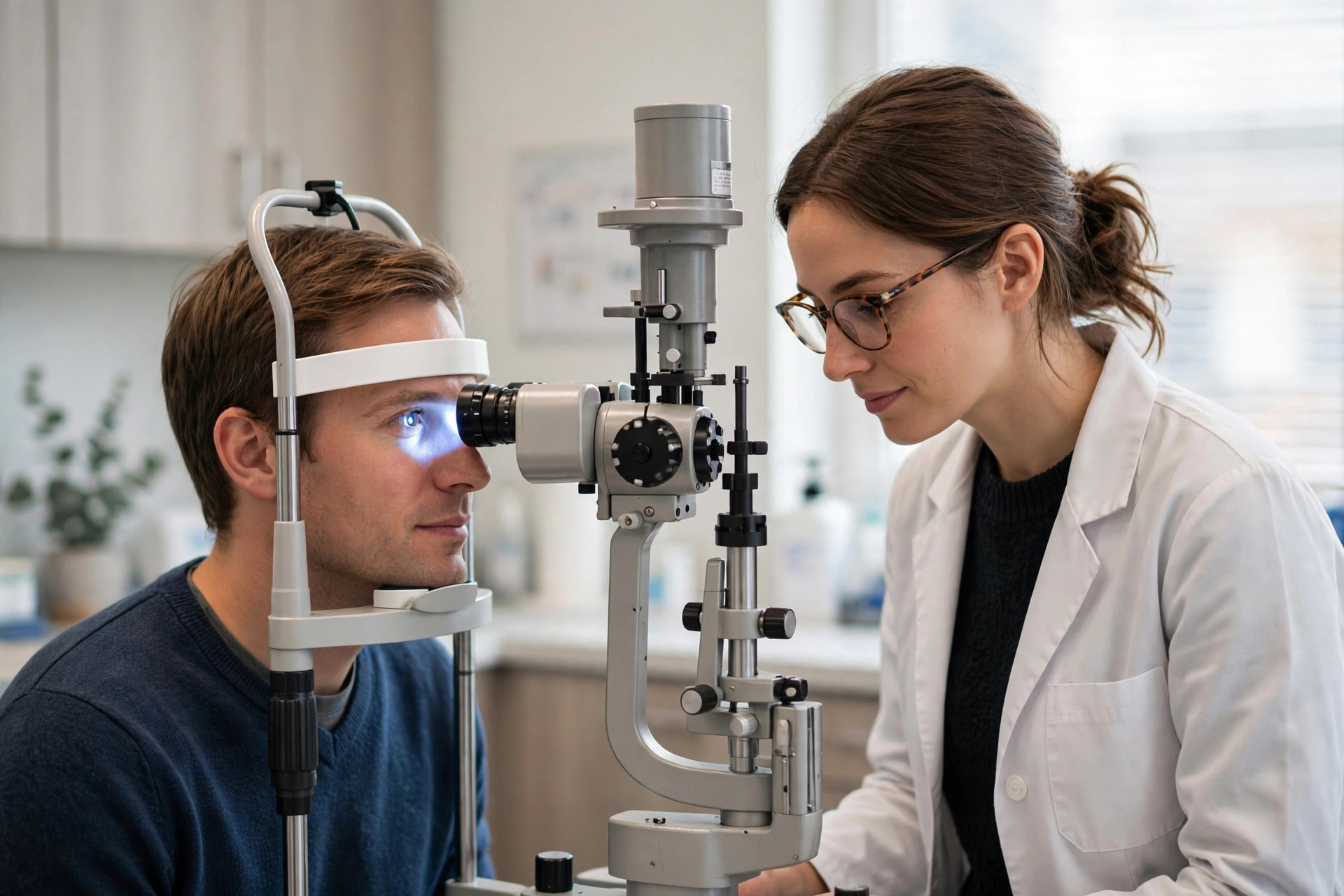 Eye Injuries — First Aid
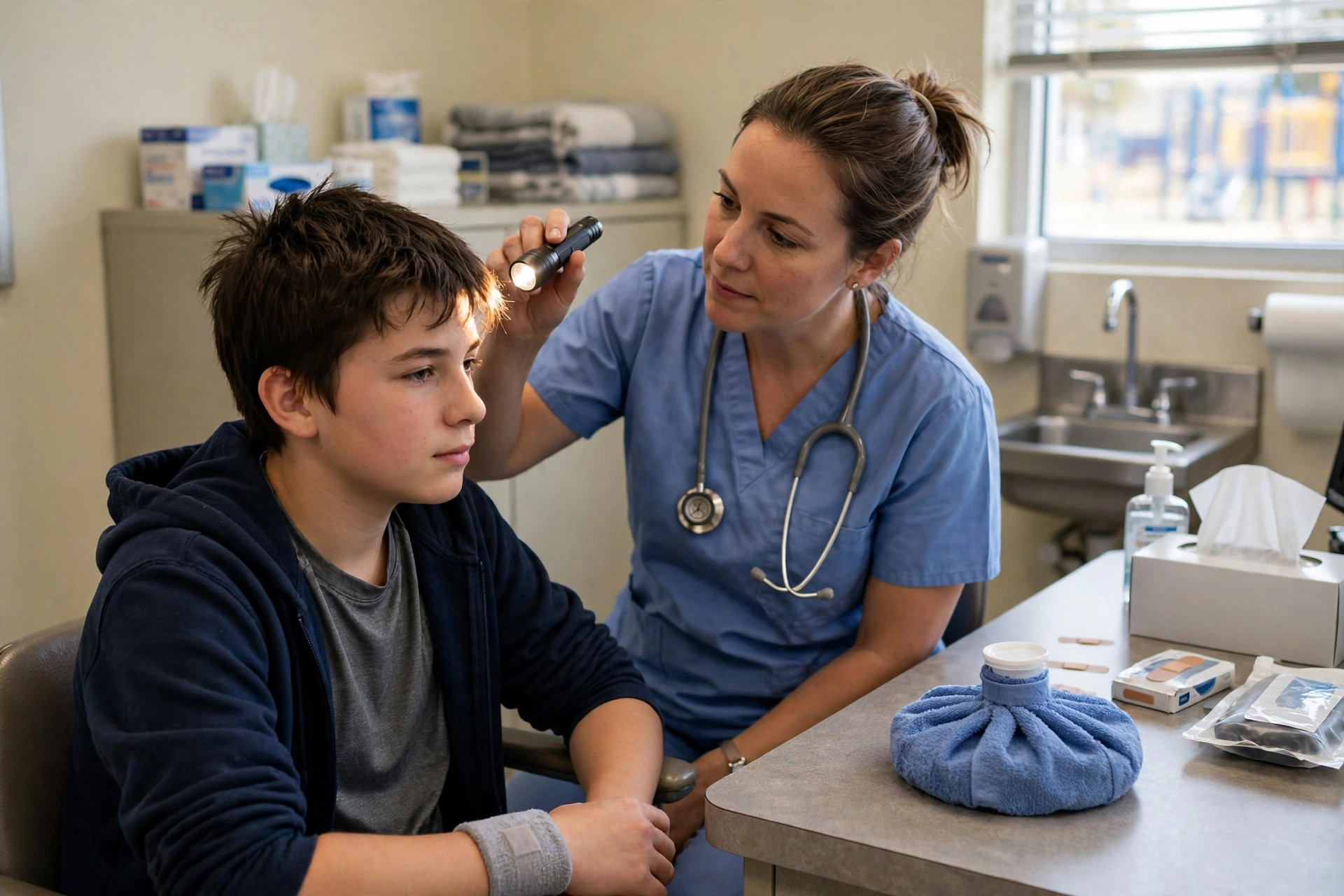 Head Injury and Concussion — First Aid
 Knocked-Out Tooth — First Aid
See all 8 in Head, Neck & Spine →
Medical Emergencies
Heart attack, stroke (FAST), seizures, fainting, low blood sugar, anaphylaxis, asthma attacks, shock, poisoning and the meningitis warning signs — recognising the emergency and doing the right things first.
 Allergic Reactions — First Aid
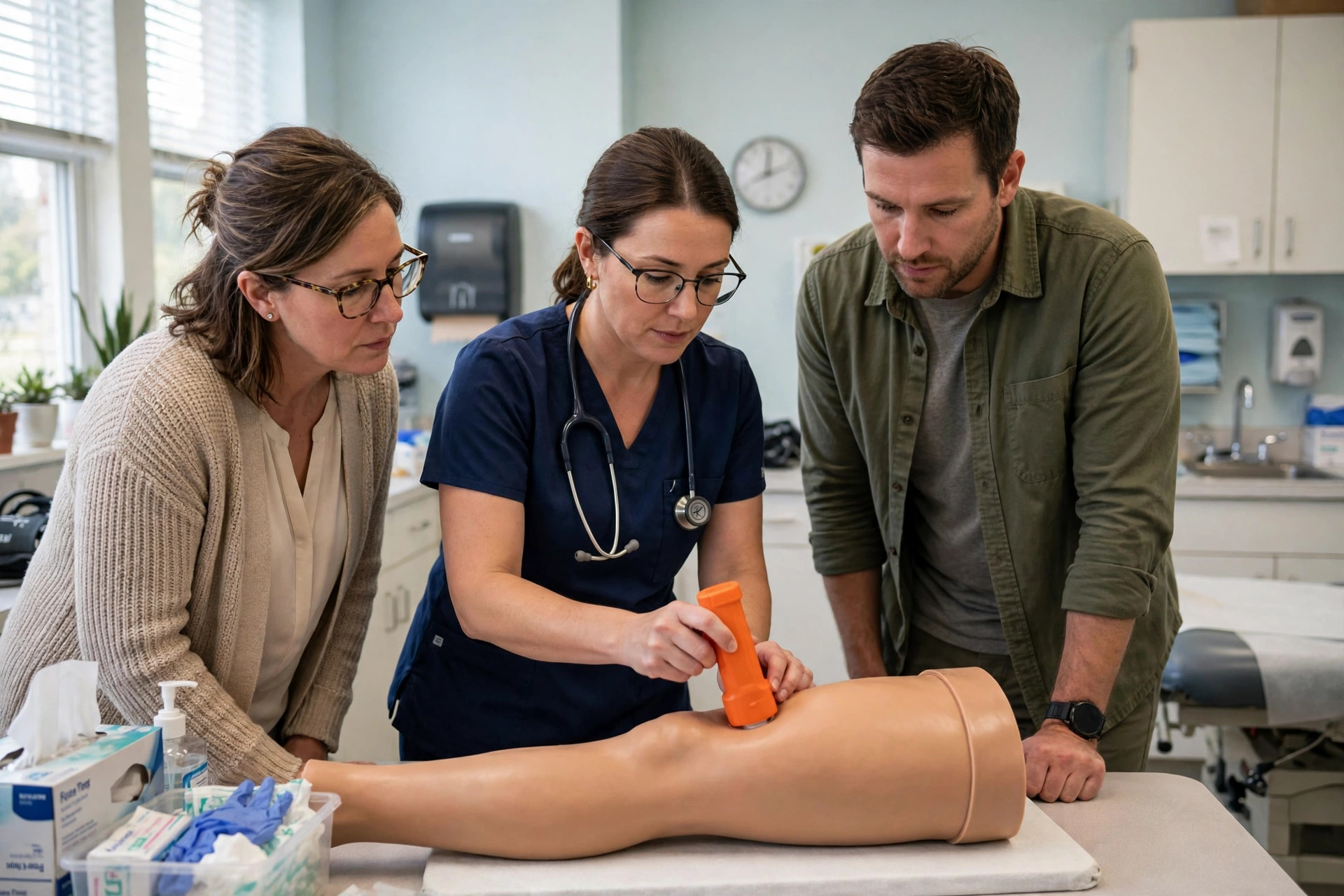 Anaphylaxis — First Aid
 Asthma Attack — First Aid
 Croup in Children — First Aid
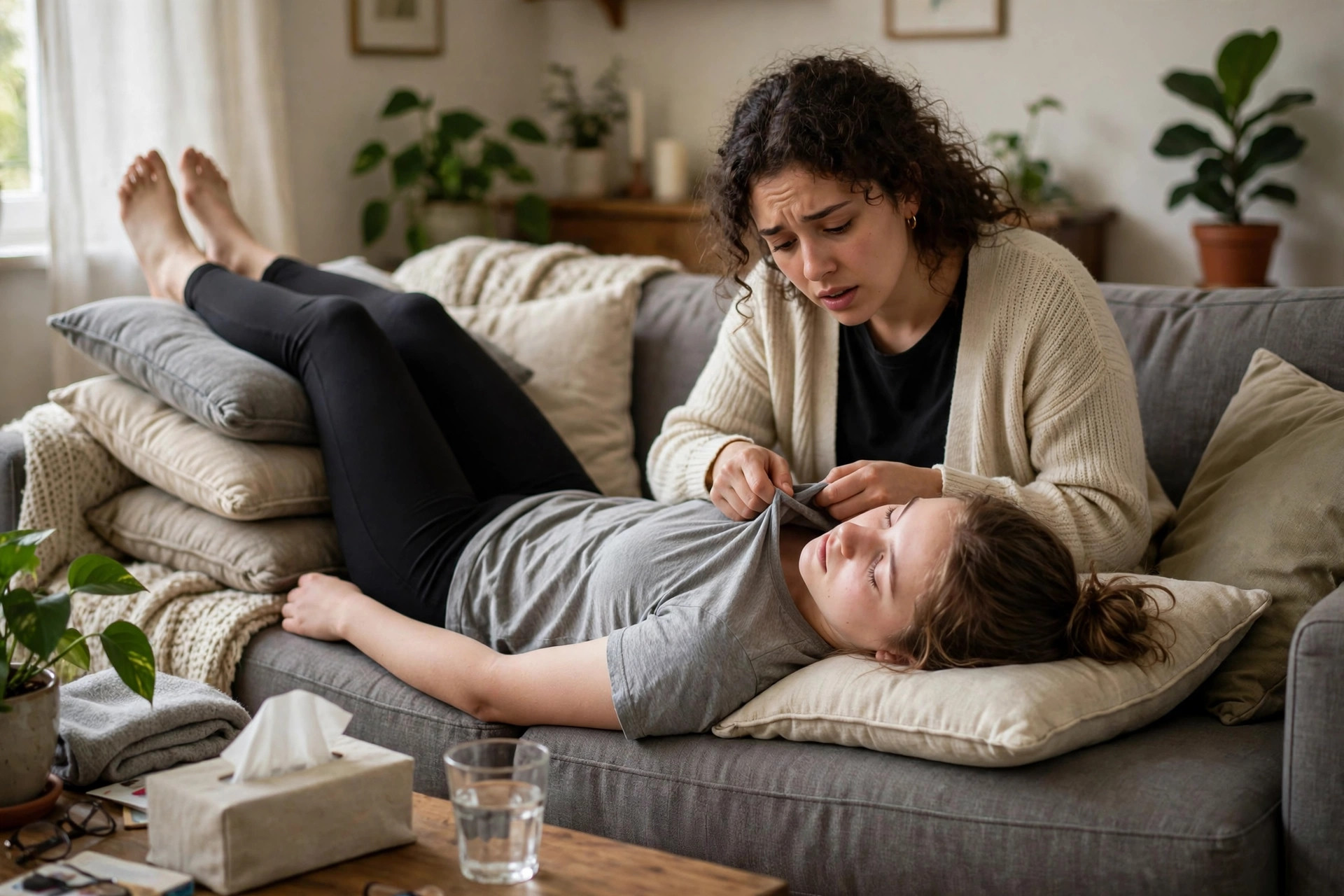 Fainting — First Aid
 Febrile Seizures in Children — First Aid
See all 15 in Medical Emergencies →
Bites, Stings & Poisoning
Animal and snake bites, stings, ticks, jellyfish, carbon monoxide, swallowed chemicals, medicines and objects, food poisoning and alcohol poisoning — including when poison control is the first call.
 Alcohol Poisoning — First Aid
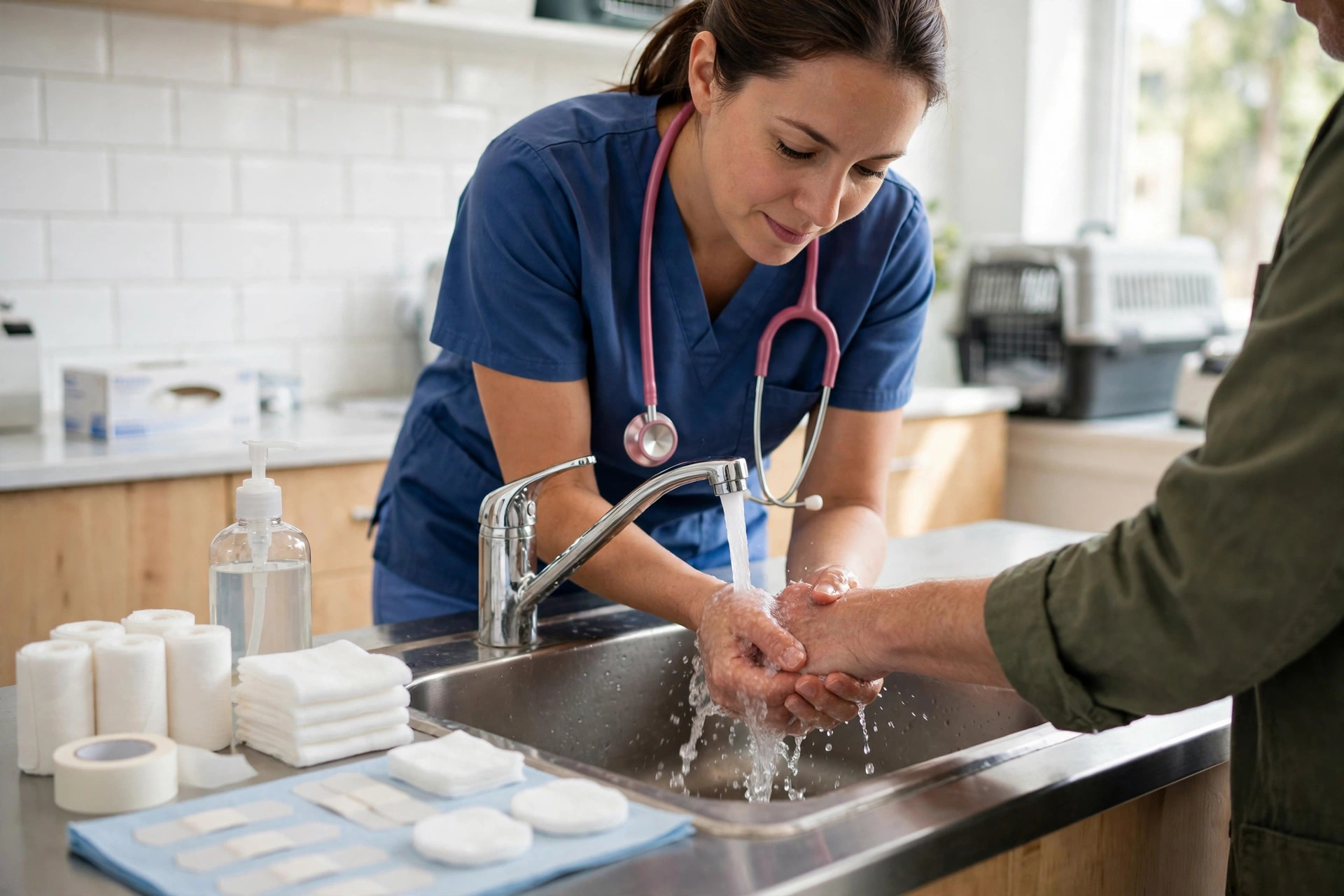 Animal and Human Bites — First Aid
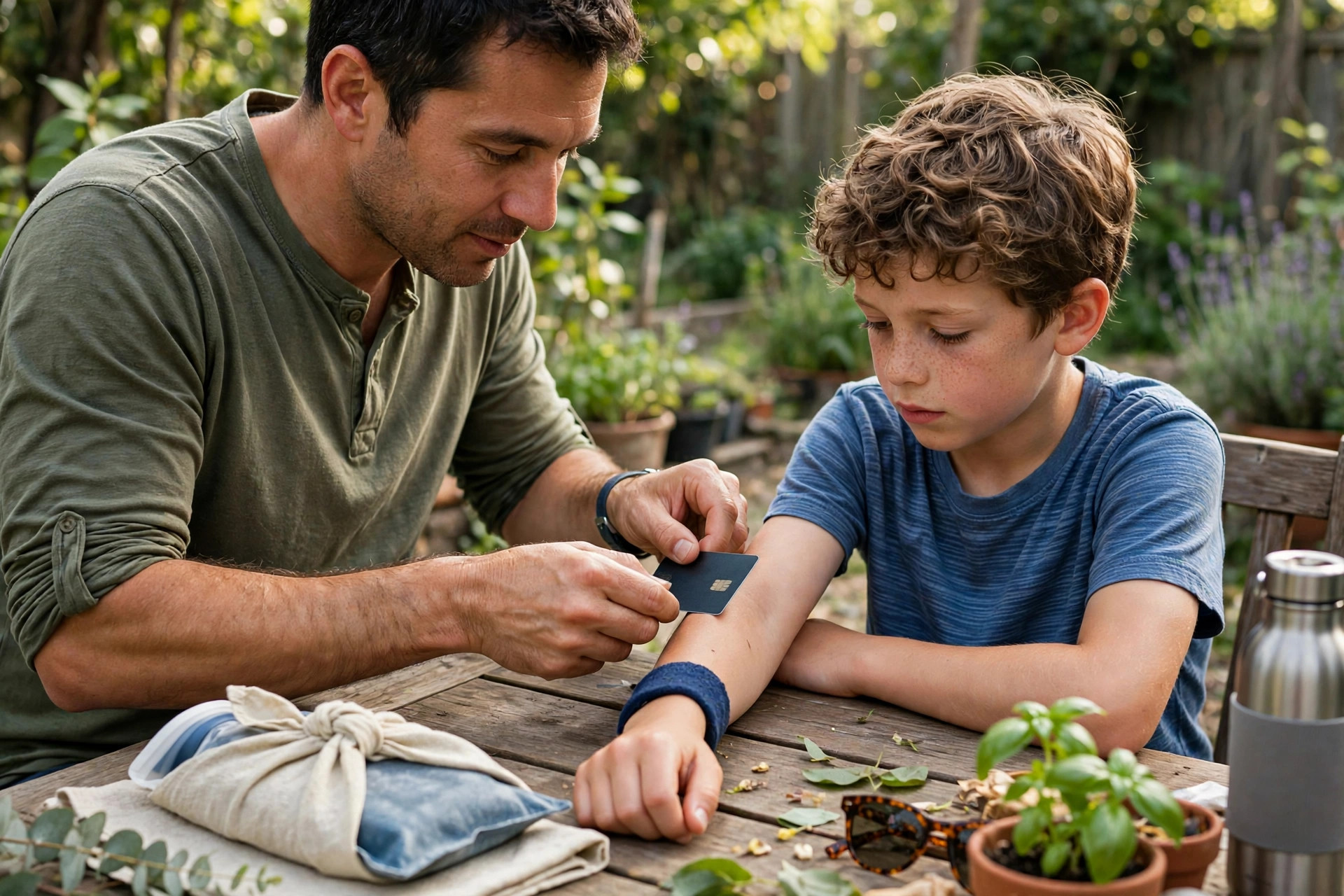 Bee and Wasp Stings — First Aid
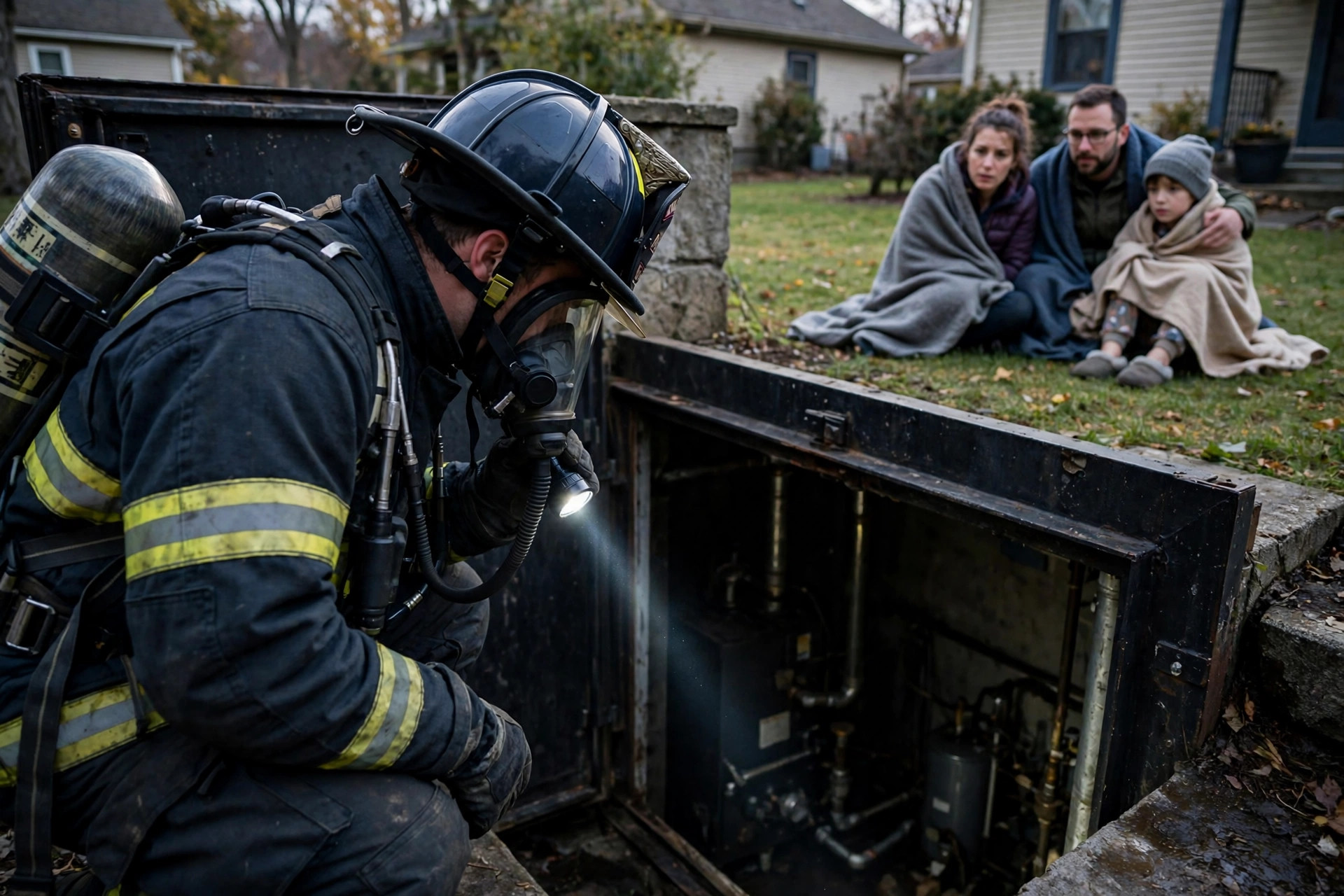 Carbon Monoxide Poisoning — First Aid
 Food Poisoning — First Aid and Care
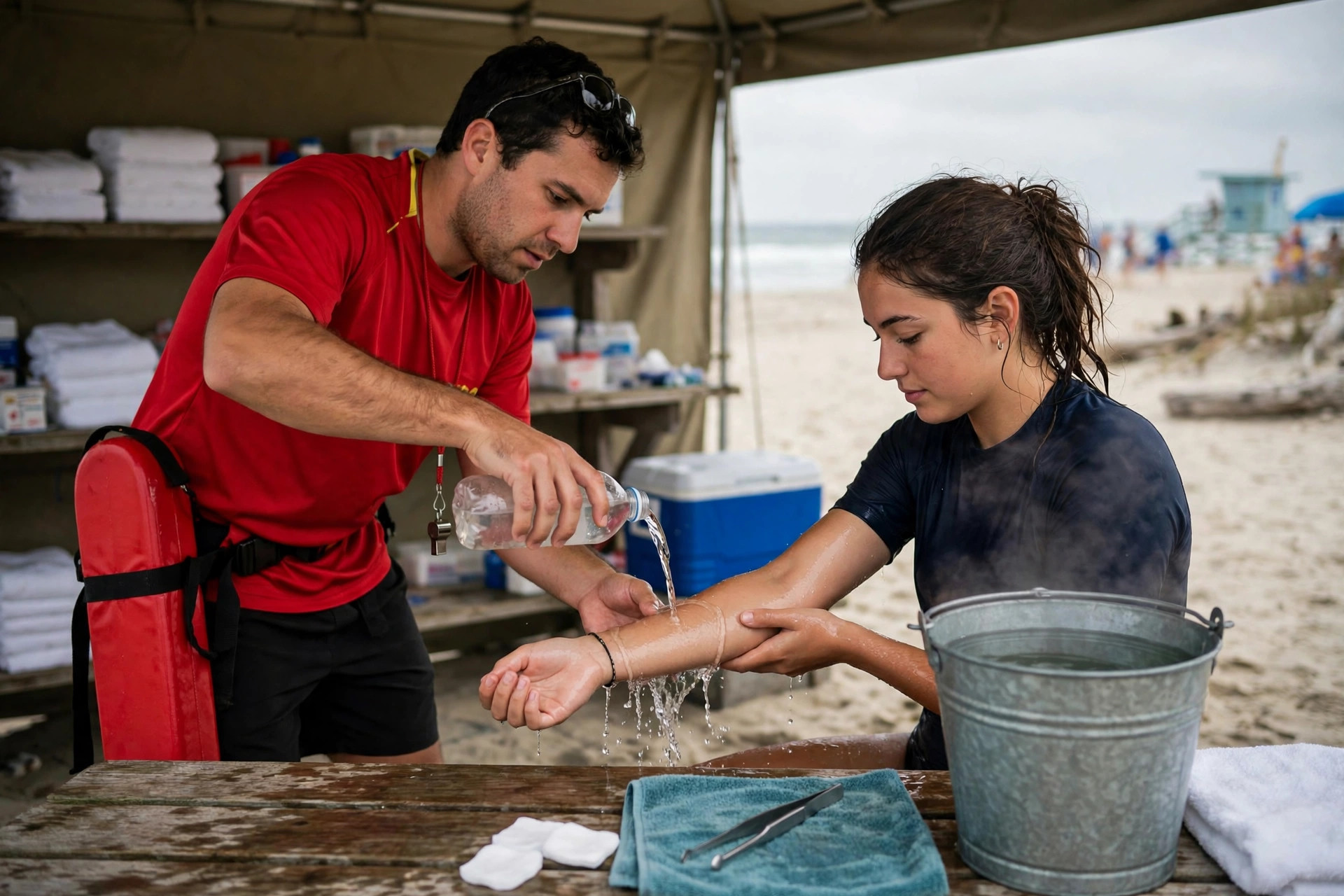 Jellyfish Stings — First Aid
See all 11 in Bites, Stings & Poisoning →
Heat, Cold & Environment
Heat exhaustion and heatstroke, hypothermia, frostbite, cold water shock, altitude sickness, dehydration and lightning: how weather and environment injure, and the first aid that reverses it.
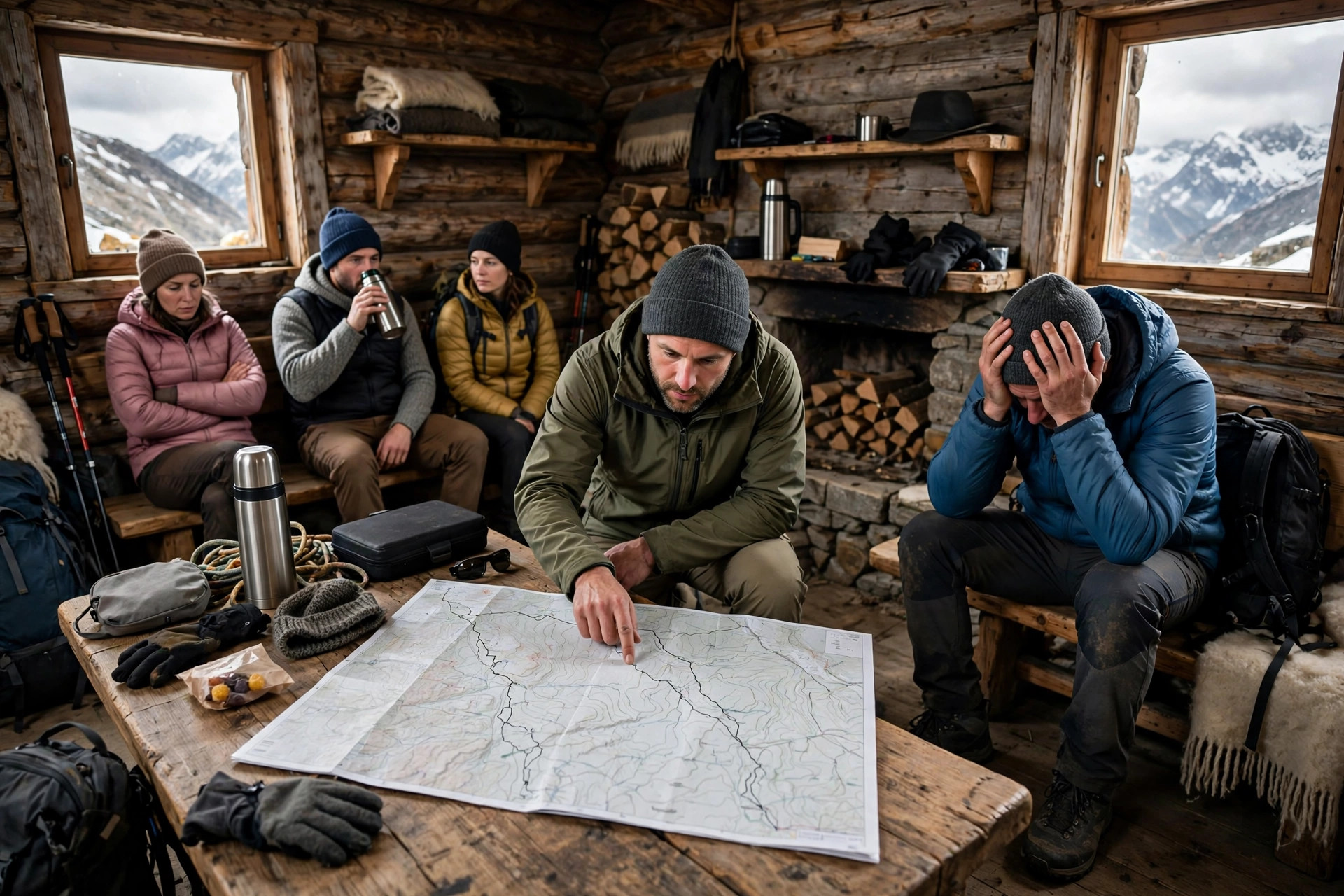 Altitude Sickness — First Aid
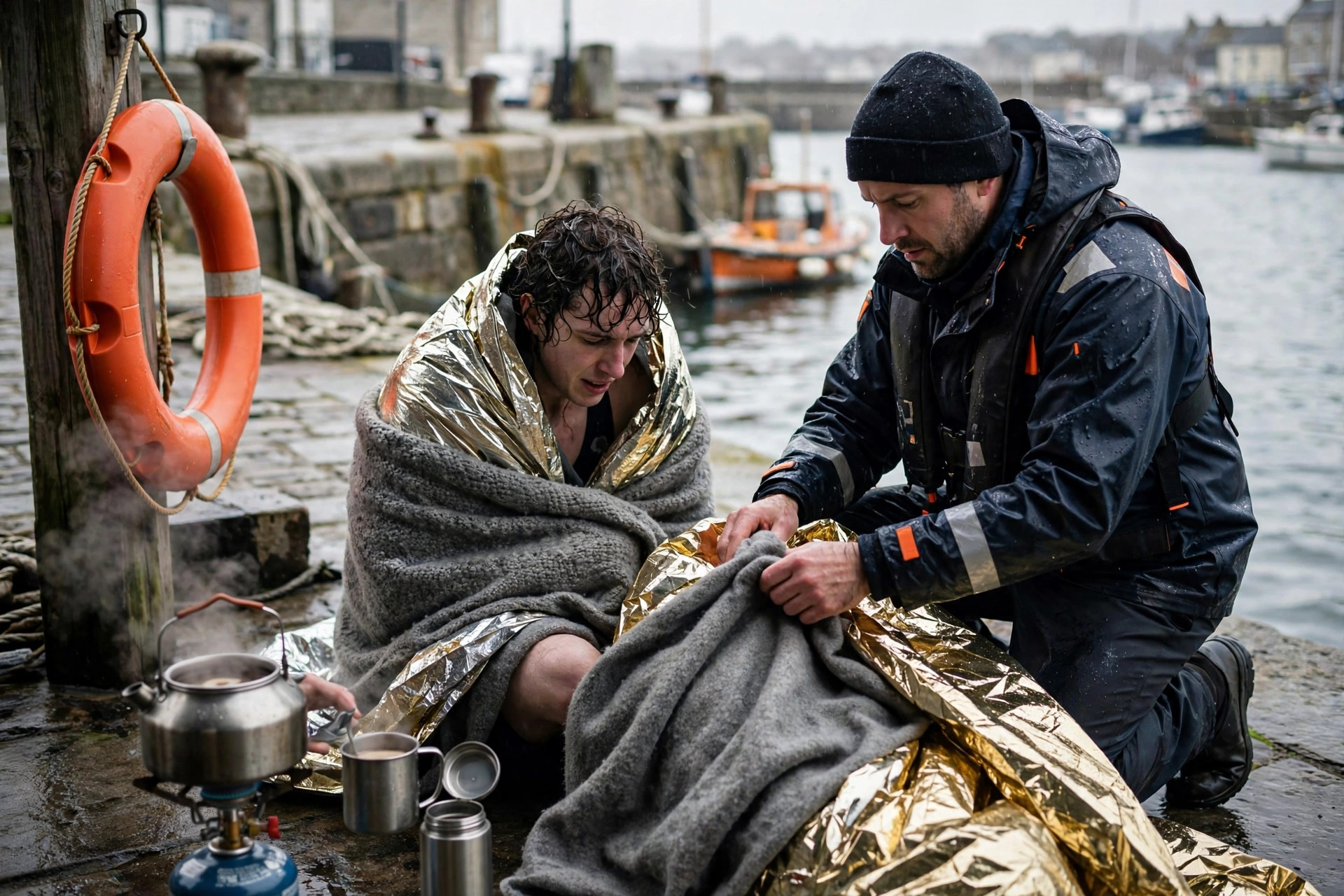 Cold Water Shock and Immersion — First Aid
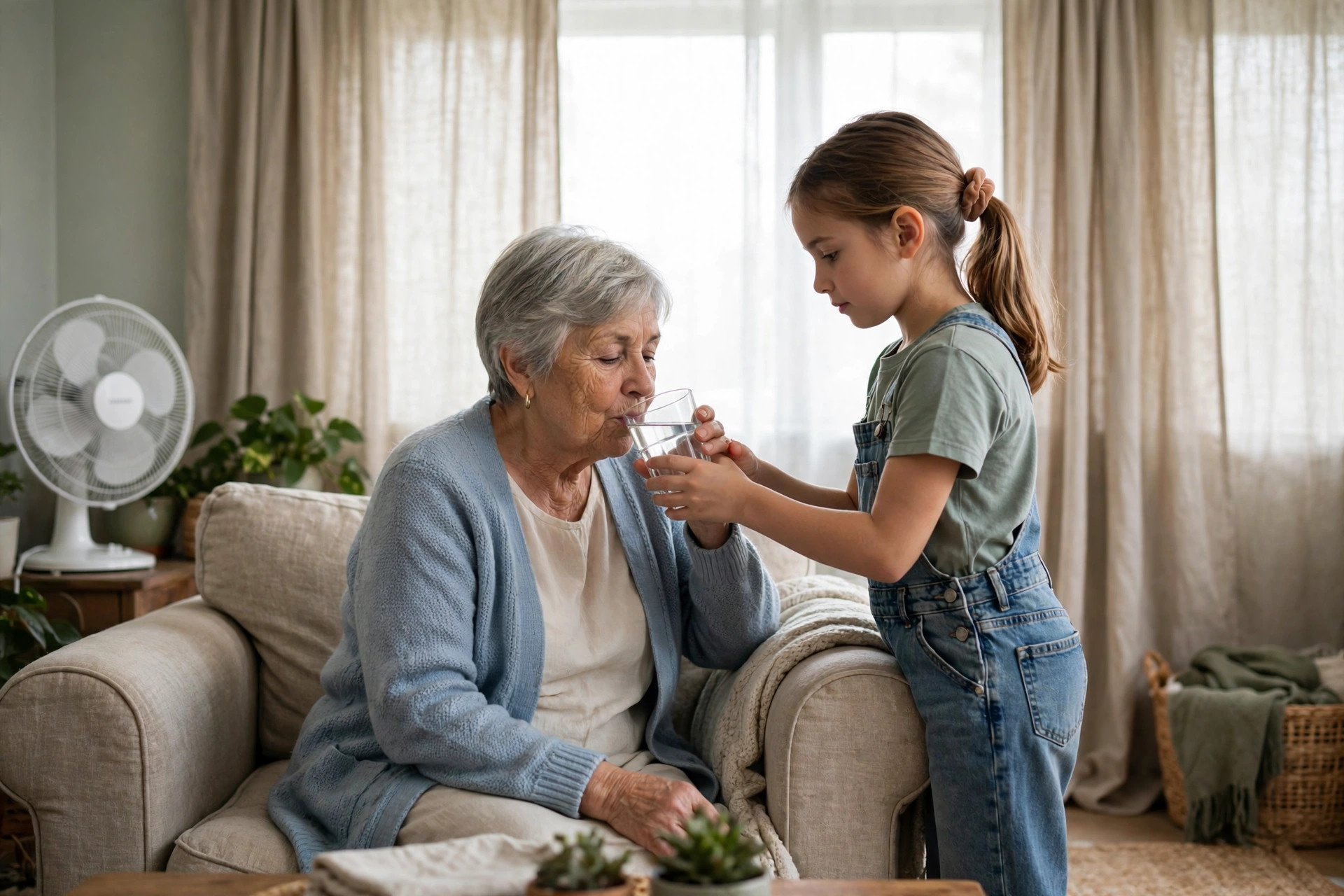 Dehydration — First Aid and Care
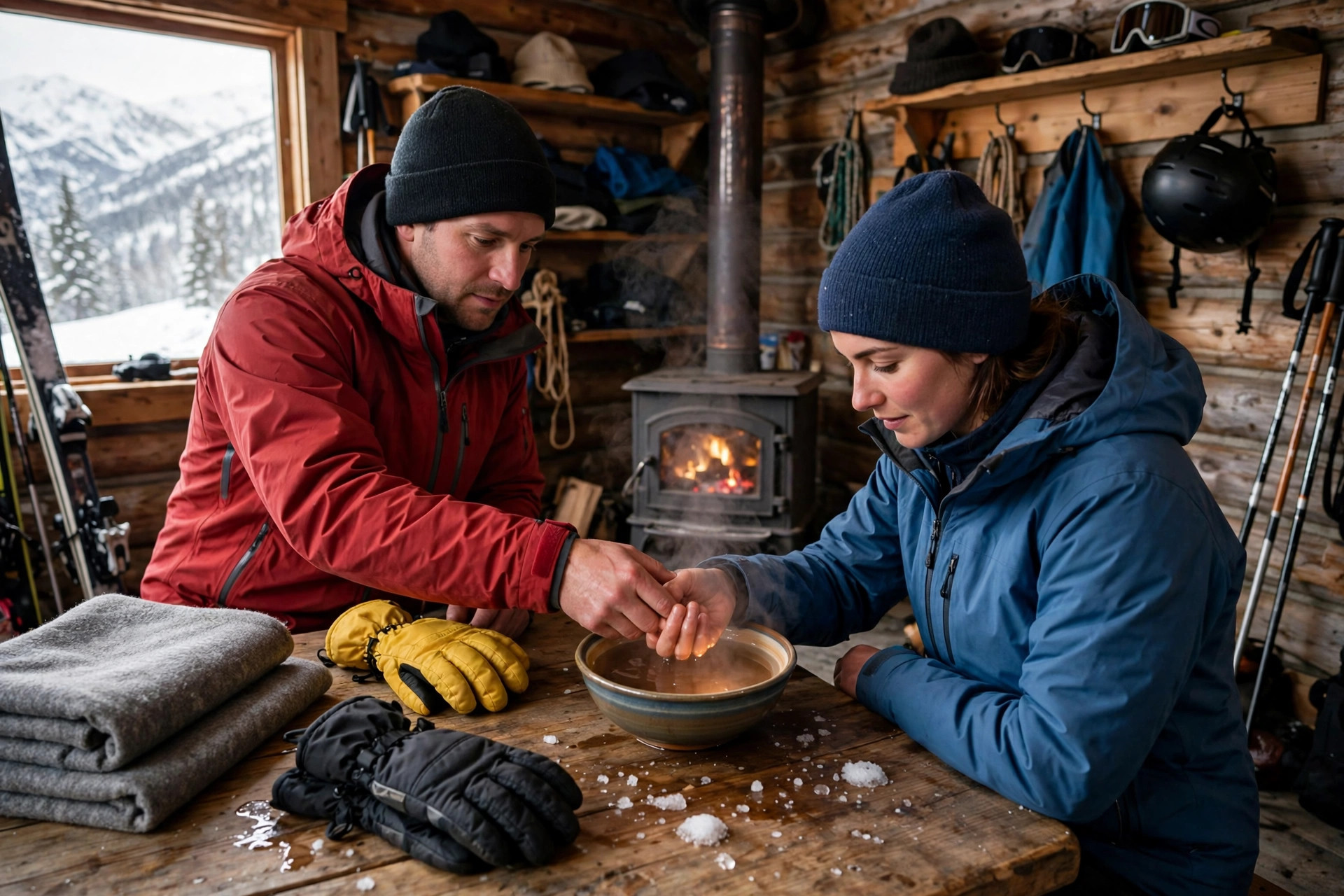 Frostbite — First Aid
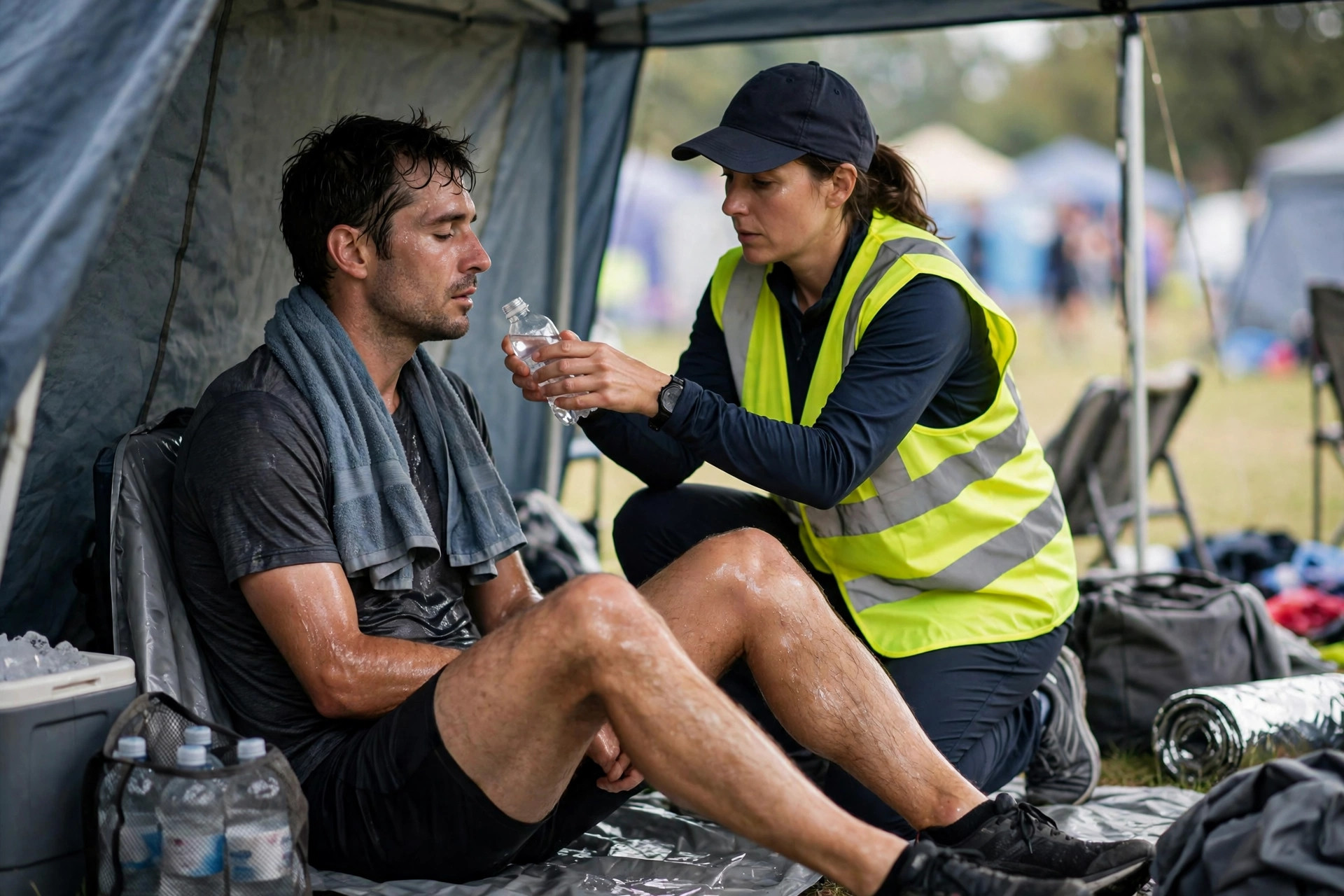 Heat Exhaustion — First Aid
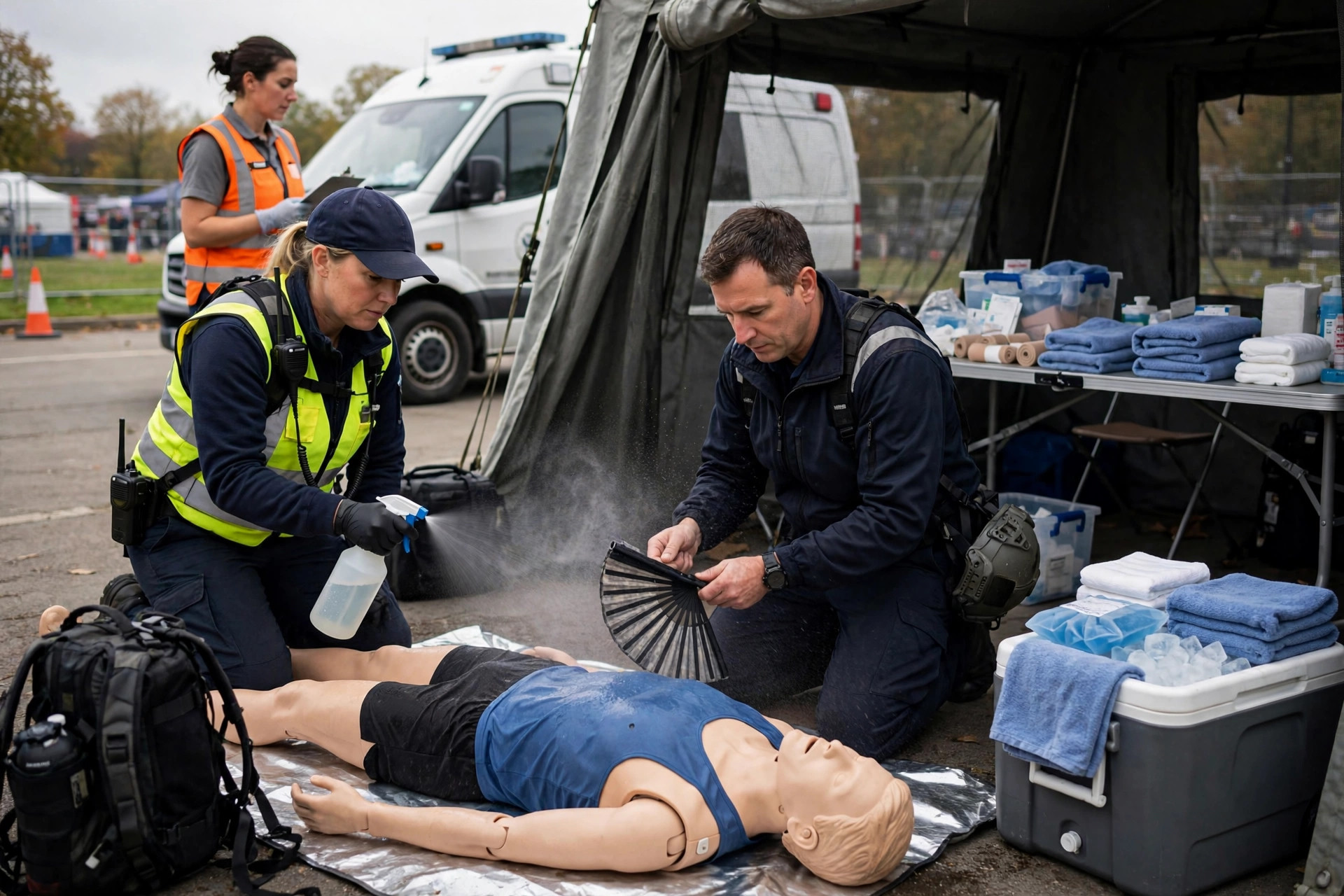 Heatstroke — Emergency First Aid
See all 8 in Heat, Cold & Environment →
Frequently asked questions
What should I do first in any emergency?
Keep yourself safe, check for a response and normal breathing, and call 911 (or your local emergency number) — or send someone else to call while you start first aid. For an unresponsive person who is not breathing normally, start CPR and send for an AED.
Can first aid really make a difference?
Yes. Early CPR and defibrillation are the strongest factors in surviving a cardiac arrest, direct pressure controls bleeding that would otherwise be fatal, and 20 minutes of cool running water measurably reduces burn depth. The first minutes belong to whoever is standing there.
Are these guides a substitute for a first-aid course?
No. They are a reference and a refresher, reviewed by Dr. Mohamed Ibrahim, Assistant Professor of Medicine (Transplant Nephrology) at the University of Maryland School of Medicine. Hands-on certified training (for example from the Red Cross) is the best way to be ready.
In an emergency, call 911 (or your local emergency number) first — do not delay a call to read a guide. These pages are educational first-aid information in general terms; they are not a substitute for emergency services, first-aid training, or assessment by a qualified clinician.