- Physical Examination
- Surgical Examination
- Ophthalmology
- Clinical Skills
- Orthopedics
- Surgery Videos
- Laparoscopy
- Pediatrics
- Funny Videos
- Cardiothoracic Surgery
- Nursing Videos
- Plastic Surgery
- Otorhinolaryngology
- Histology and Histopathology
- Neurosurgery
- Dermatology
- Pediatric Surgery
- Urology
- Dentistry
- Oncology and Cancers
- Anatomy Videos
- Health and Fitness
- Radiology
- Anaesthesia
- Physical Therapy
- Pharmacology
- Interventional Radiology
- Cardiology
- Endocrinology
- Gynecology
- Emergency Medicine
- Psychiatry and Psychology
- Childbirth Videos
- General Medical Videos
- Nephrology
- Physiology
- Diet and Food Health
- Diabetes Mellitus
- Neurology
- Women Health
- Osteoporosis
- Gastroenterology
- Pulmonology
- Hematology
- Rheumatology
- Toxicology
- Nuclear Medicine
- Infectious Diseases
- Vascular Disease
- Reproductive Health
- Burns and Wound Healing
- Kidney Zone Podcast
- Other
Febrile Seizures in Children — First Aid
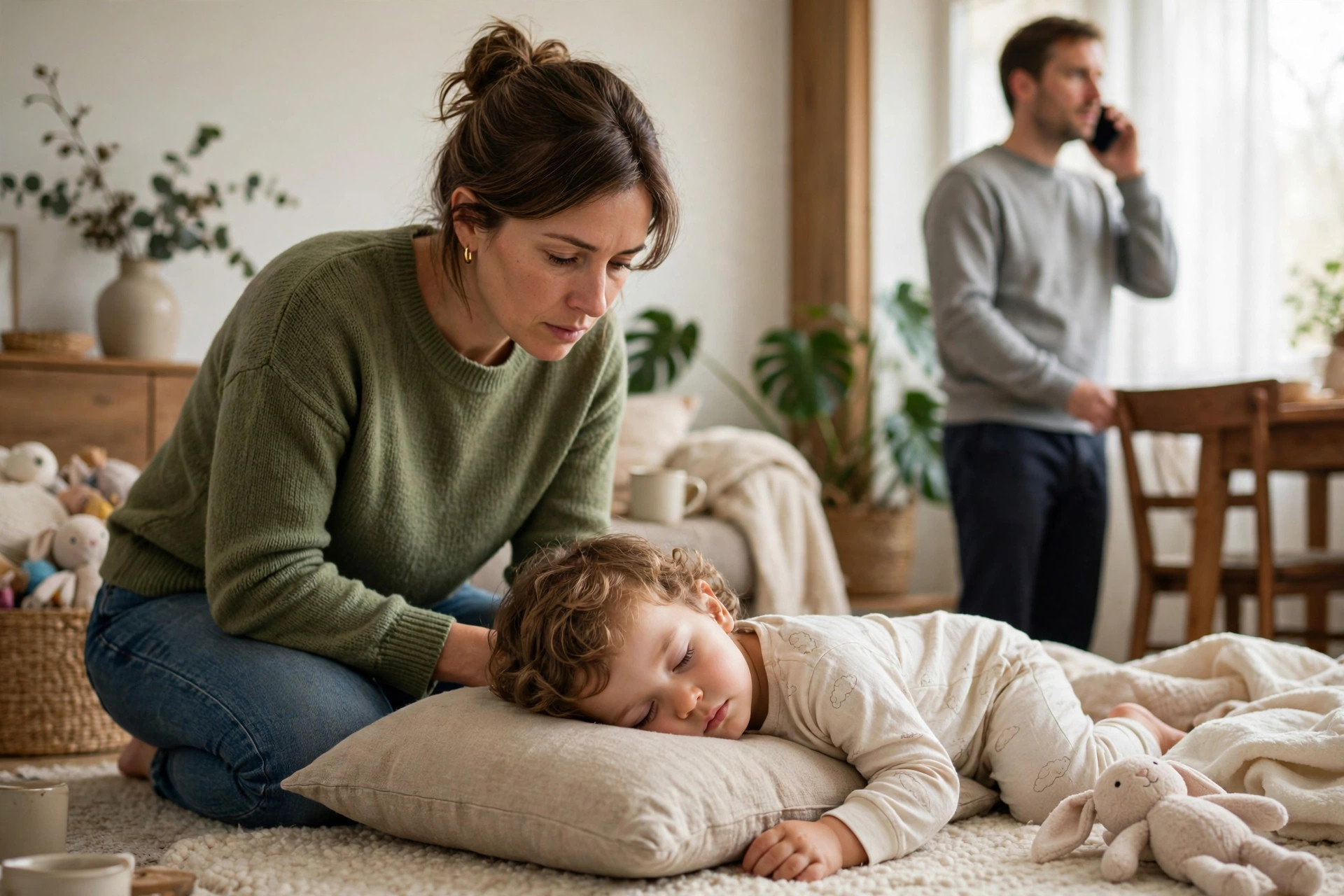
What to do
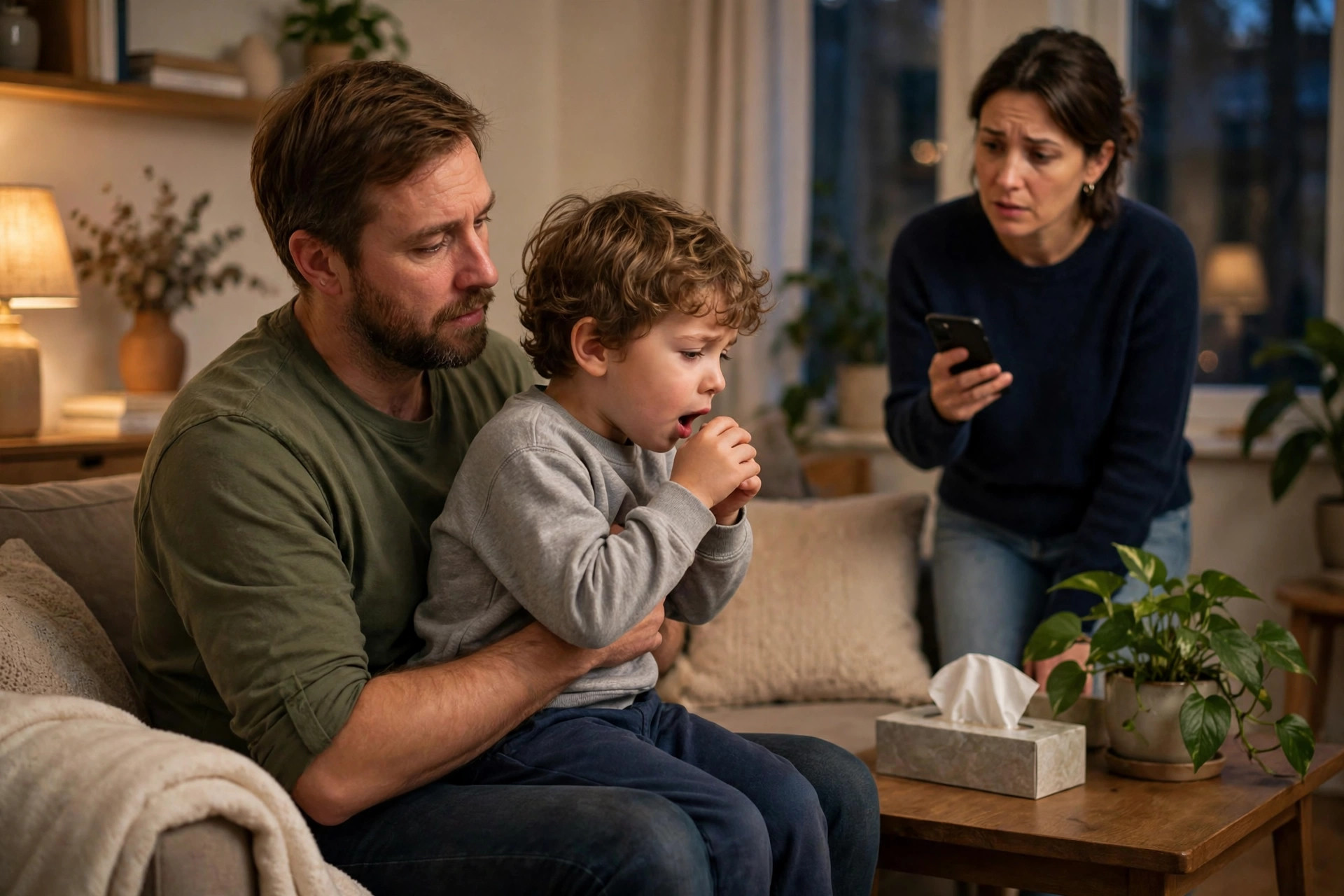
- Febrile seizures are convulsions triggered by fever in children usually between 6 months and 5 years. They are frightening but most last under 5 minutes and are not harmful in themselves.
- Stay with the child. Protect them from injury: move hard objects away, cushion the head, loosen tight clothing.
- Do not put anything in the child's mouth and do not restrain the movements. Note the time the seizure starts.
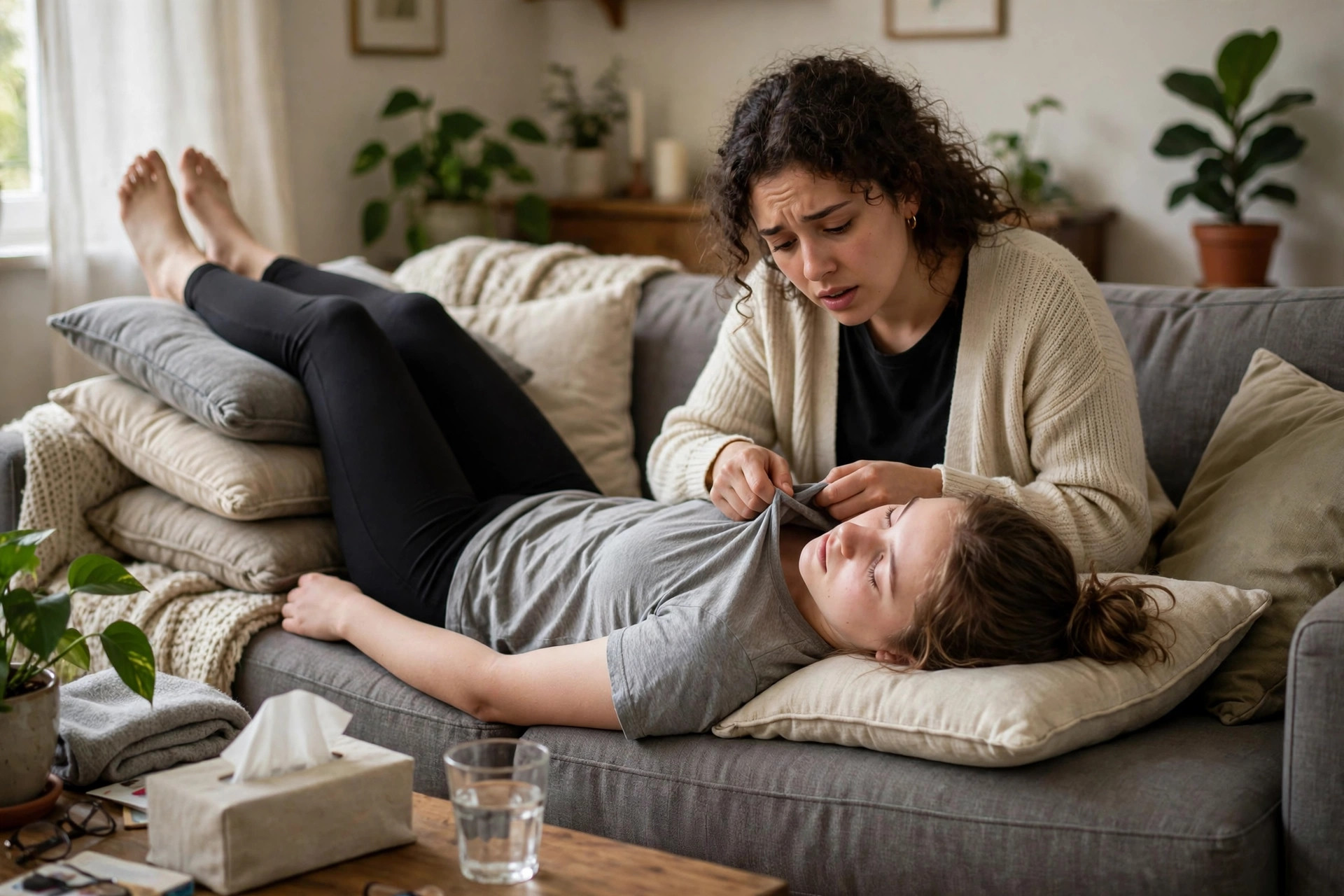
- When the seizure stops, place the child on their side (recovery position) and check breathing. They will usually be sleepy afterwards.
- Call 911 if the seizure lasts more than 5 minutes, repeats within the same illness, only affects one side, the child has breathing difficulty, does not return to their usual self, is under 6 months old, or it is their first seizure and you cannot reach medical advice quickly — first febrile seizures always need medical assessment.
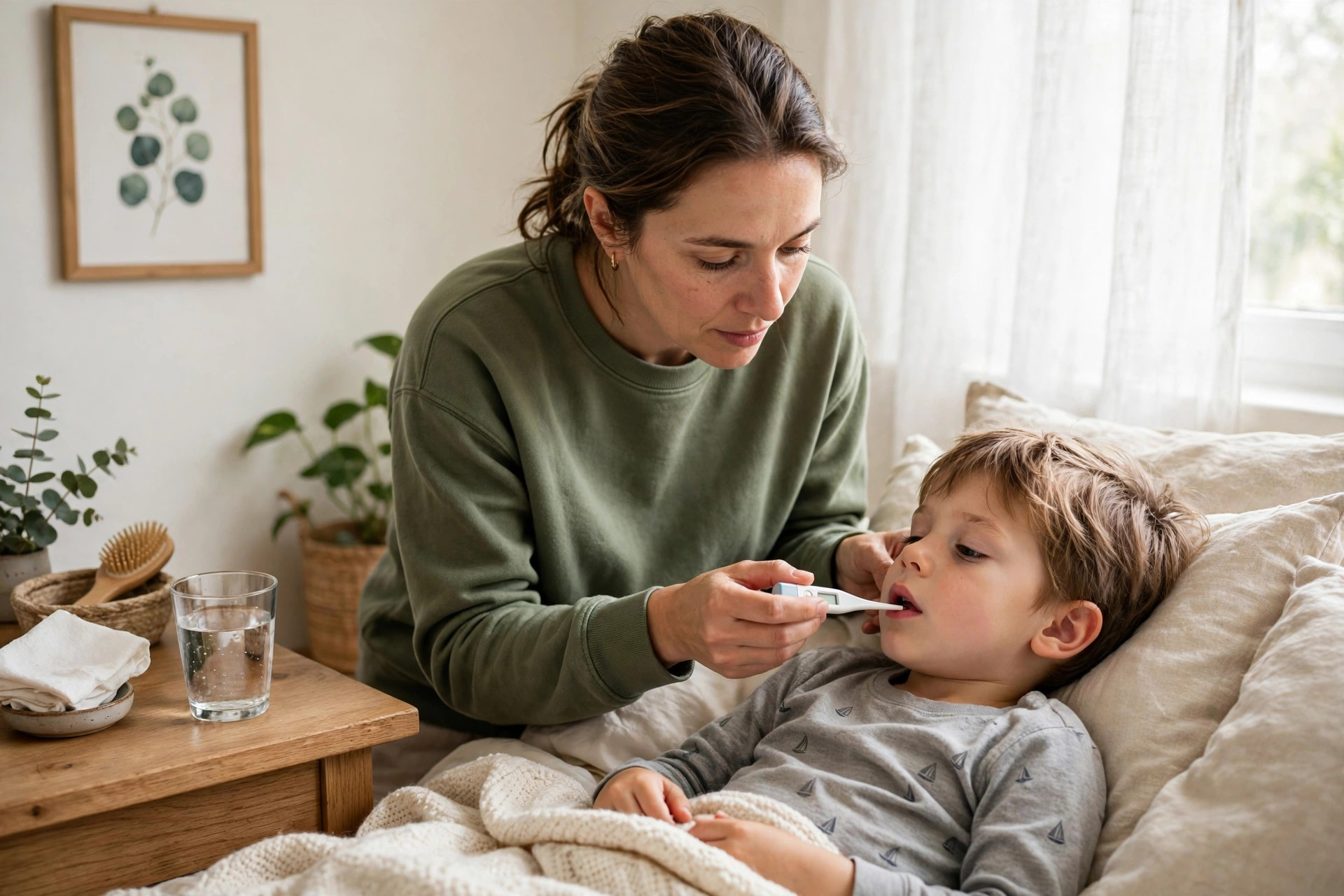
- Manage the fever for comfort (light clothing, fluids, and children's fever medicine as directed on the packet if they can swallow safely) — note that fever medicines do not reliably prevent further febrile seizures.
What NOT to do
- Do not put the child in a cold bath to reduce fever.
- Do not give food, drink or medicine during the seizure or while the child is drowsy.
- Do not hold the child down or shake them.
- Do not assume a seizure with fever is 'just febrile' in a baby under 6 months — always get urgent assessment.
When to get medical care
First febrile seizure: always seek medical assessment the same day (emergency department or urgent clinician review) to confirm the cause of the fever. Call 911 for seizures over 5 minutes, repeated seizures, one-sided seizures, breathing problems, a child who does not recover normally, or any seizure in a baby under 6 months.
Related symptoms
Watch: related videos
Frequently asked questions
Do febrile seizures cause brain damage?
Simple febrile seizures (brief, whole-body, once in an illness) do not cause brain damage or epilepsy in the overwhelming majority of children, though they are terrifying to witness. A minority of children have further febrile seizures with later illnesses.
Can I prevent febrile seizures by treating fever early?
Studies show fever medicines improve comfort but do not reliably prevent febrile seizures, which often happen as the temperature rises quickly — sometimes the seizure is the first sign of illness. Treat fever for comfort, not out of fear of seizures.
In an emergency, call 911 (or your local emergency number) first — do not delay a call to read a guide. These pages are educational first-aid information in general terms; they are not a substitute for emergency services, first-aid training, or assessment by a qualified clinician.