
- Physical Examination
- Surgical Examination
- Ophthalmology
- Clinical Skills
- Orthopedics
- Surgery Videos
- Laparoscopy
- Pediatrics
- Funny Videos
- Cardiothoracic Surgery
- Nursing Videos
- Plastic Surgery
- Otorhinolaryngology
- Histology and Histopathology
- Neurosurgery
- Dermatology
- Pediatric Surgery
- Urology
- Dentistry
- Oncology and Cancers
- Anatomy Videos
- Health and Fitness
- Radiology
- Anaesthesia
- Physical Therapy
- Pharmacology
- Interventional Radiology
- Cardiology
- Endocrinology
- Gynecology
- Emergency Medicine
- Psychiatry and Psychology
- Childbirth Videos
- General Medical Videos
- Nephrology
- Physiology
- Diet and Food Health
- Diabetes Mellitus
- Neurology
- Women Health
- Osteoporosis
- Gastroenterology
- Pulmonology
- Hematology
- Rheumatology
- Toxicology
- Nuclear Medicine
- Infectious Diseases
- Vascular Disease
- Reproductive Health
- Burns and Wound Healing
- Kidney Zone Podcast
- Other
Biopsy — How to Prepare and What to Expect
A biopsy means taking a tiny sample of tissue so it can be examined under a microscope. It is how many conditions — including cancer — are confirmed or ruled out, and it is usually a short procedure with local anaesthetic rather than a big operation. This guide explains the main types of biopsy, how to prepare, what the sampling itself feels like, and how results come back, with videos of real biopsies from our catalog.
✓ Medically reviewed by Dr. Mohamed Ibrahim, MD, PhD — physician-scientist · Last reviewed: October 2026
What it is and why it is done
Almost any tissue can be sampled. A fine needle can draw cells from a lump in the thyroid or breast; a slightly wider hollow needle takes a small core of tissue; a punch removes a tiny circle of skin; and samples are often taken during endoscopy or surgery. Many biopsies are guided by ultrasound, CT or a camera so the needle reaches exactly the right spot.
The laboratory examines the sample’s cells and structure. The result might show inflammation, infection, pre-cancerous change, cancer, or completely normal tissue — most biopsies come back benign. A biopsy is a test, not a treatment: its job is to give a definite answer so the right treatment, if any is needed, can be chosen.
How to Prepare
Most biopsies need little preparation — but these points make the day smoother and the sample better:
- Tell the team about medicines that affect bleeding — blood thinners and regular anti-inflammatory painkillers — and ask whether to pause any of them. Do not stop prescribed medicines on your own.
- Mention allergies, especially to local anaesthetics, latex or antiseptics, and any previous problems with bleeding or fainting at procedures.
- Most small biopsies need no fasting. If sedation or a general anaesthetic is planned, you will be given fasting instructions — follow them exactly.
- Wear loose, comfortable clothing that gives easy access to the area being sampled, and leave jewellery at home for imaging-guided procedures.
- Arrange a lift home if you are having sedation. After a simple skin or needle biopsy under local anaesthetic, most people travel home as normal.
- Write down any questions you want answered — including how and when results will reach you — so nothing is forgotten on the day.
If your clinic gave you different instructions, follow theirs — they know your situation.
Before, during and after
Before
The clinician explains why the sample is needed, exactly where it will be taken from, and the small risks — bleeding, bruising, infection, and the chance the sample is not enough and needs repeating. You sign a consent form, and the area is positioned and cleaned. Ask anything at this point; knowing the plan makes the few minutes of the procedure much easier.
During
For most biopsies the skin is numbed with a small injection of local anaesthetic — a brief sting, then the area goes numb. You may feel pushing, pressure or a clicking sound from a spring-loaded needle, but sharp pain should not continue; say so if it does, so more anaesthetic can be given. The sampling itself usually takes seconds to a few minutes, though the whole appointment is longer. A small dressing covers the site afterwards.
After
Keep the dressing dry for the time you are told — often a day or two — and expect a bruise and some soreness as the anaesthetic wears off. Simple painkillers you normally use are usually fine; the team will say if any should be avoided. Results take days to a couple of weeks depending on the laboratory tests needed. Contact the clinic if you have bleeding that does not stop with pressure, increasing pain or redness, or a fever.
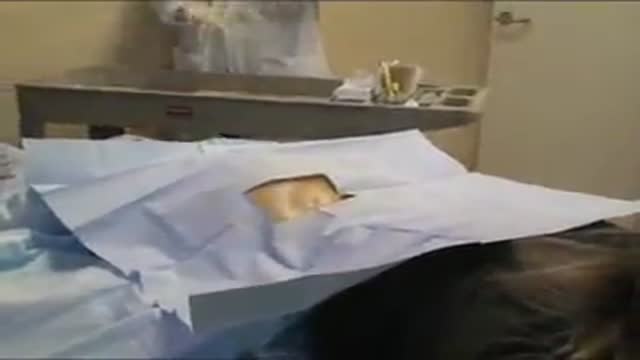
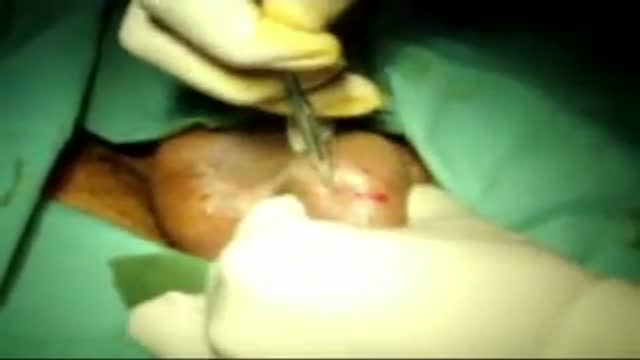
Watch: see it explained on video


Keep exploring
Cancer — Guides & VideosBiopsies are how most cancers are confirmed. See how cancers are found and treated, in one place.Open →Frequently asked questions
Does a biopsy hurt?
The local anaesthetic injection stings briefly; after that, most people feel pressure and movement rather than pain. Deeper biopsies (for example bone marrow) can be uncomfortable for a few seconds despite anaesthetic. Afterwards, soreness and bruising for a few days are common and settle with time and simple painkillers.
How long do biopsy results take?
It depends on the tests the laboratory runs. A straightforward sample may be reported within a few days; samples needing special stains, cultures or a second specialist opinion can take two weeks or more. Your clinic should tell you the expected wait and how the result will be given — ask before you leave.
Will the biopsy leave a scar?
Needle and punch biopsies usually leave a mark no bigger than a freckle or a small dot. A surgical biopsy with stitches leaves a thin line that fades over months. The clinician can tell you what to expect for your type and site.
Can a biopsy spread cancer?
This is a common worry. For the standard biopsies used every day, the risk of cancer spreading along the needle track is considered extremely small, and it is heavily outweighed by the benefit of a definite diagnosis — treatment cannot be chosen safely without one. If you are concerned, ask your clinician to talk it through for your situation.
What if the sample is not enough?
Occasionally the sample is too small or misses the right spot, and the report says "insufficient" or "non-diagnostic". That is frustrating but not a disaster: the biopsy is usually repeated, sometimes with imaging guidance or a different technique, so a clear answer can still be reached.
This guide is general information, not medical advice. Follow your own clinician's instructions if they differ — they know your health history and the exact test you are having.