
- Physical Examination
- Surgical Examination
- Ophthalmology
- Clinical Skills
- Orthopedics
- Surgery Videos
- Laparoscopy
- Pediatrics
- Funny Videos
- Cardiothoracic Surgery
- Nursing Videos
- Plastic Surgery
- Otorhinolaryngology
- Histology and Histopathology
- Neurosurgery
- Dermatology
- Pediatric Surgery
- Urology
- Dentistry
- Oncology and Cancers
- Anatomy Videos
- Health and Fitness
- Radiology
- Anaesthesia
- Physical Therapy
- Pharmacology
- Interventional Radiology
- Cardiology
- Endocrinology
- Gynecology
- Emergency Medicine
- Psychiatry and Psychology
- Childbirth Videos
- General Medical Videos
- Nephrology
- Physiology
- Diet and Food Health
- Diabetes Mellitus
- Neurology
- Women Health
- Osteoporosis
- Gastroenterology
- Pulmonology
- Hematology
- Rheumatology
- Toxicology
- Nuclear Medicine
- Infectious Diseases
- Vascular Disease
- Reproductive Health
- Burns and Wound Healing
- Kidney Zone Podcast
- Other
Laparoscopy Recovery — What to Expect After Keyhole Surgery
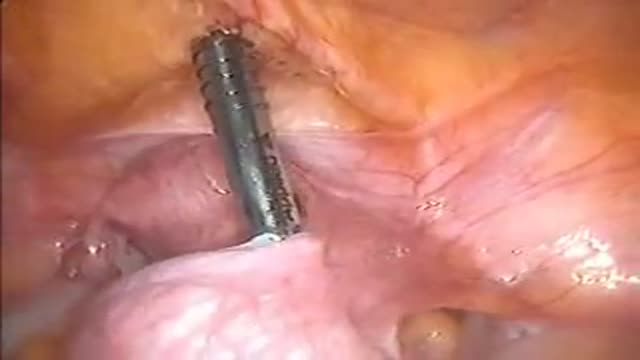
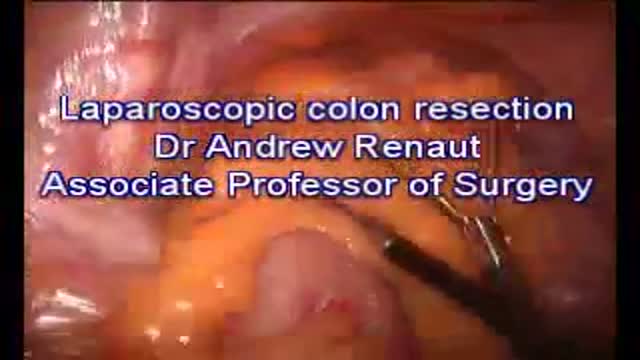
Laparoscopy — keyhole surgery through small cuts, using a camera — usually means a faster, easier recovery than open surgery, but it is still real surgery with an anaesthetic. Most questions afterwards are practical: how sore will I be, what is the shoulder pain about, when can I drive, work, lift? This guide answers them honestly, and the videos below show the operations themselves, so you can see how small the surgery really is.
✓ Medically reviewed by Dr. Mohamed Ibrahim, MD, PhD — physician-scientist · Last reviewed: October 2026
What it is and why it is done
During laparoscopy the abdomen is gently inflated with carbon dioxide gas so the surgeon can see, and instruments work through cuts typically half a centimetre to a centimetre long, closed with a stitch or two, glue or steri-strips. Because no large cut is made, pain is usually less and recovery quicker than with open surgery — most people are home the same day or after one night.
Two recovery features surprise people. First, leftover gas irritates the diaphragm and causes shoulder-tip pain for a day or three — it is normal and eases as the gas is absorbed. Second, tiredness: the anaesthetic plus your body healing means energy returns over days to weeks, not overnight, even though the wounds look tiny.
How to Prepare
A little preparation before the operation makes the recovery days much smoother:
- Arrange a lift home and an adult to stay with you the first night — you cannot drive after a general anaesthetic, and you should not be alone.
- Stock up beforehand: simple painkillers you normally use, easy food, and loose high-waisted clothes that will not press on the dressings.
- Plan gentle days: most people need a few days to a week off work depending on the operation and their job — ask your surgeon what applies to you.
- Organise help for lifting: avoid heavy lifting (including small children and full shopping bags) for the period your team advises, often a week or two.
- Know your follow-up: when dressings come off, whether stitches dissolve, and when results of anything removed — for example the gallbladder or appendix — will reach you.
- Save the ward’s phone number somewhere handy: knowing who to call with a worry is part of a calm recovery.
If your clinic gave you different instructions, follow theirs — they know your situation.
Before, during and after
Before — in hospital
You wake in recovery with a sore throat from the anaesthetic tube, small dressings on your tummy, and sometimes a drip. Nurses watch your blood pressure, pulse and wounds while the anaesthetic wears off. Most people sit up, sip water and walk to the toilet within hours — early gentle movement is encouraged and helps the gas pain too.
During — the first week
Expect soreness around the cuts and inside the tummy for two to four days, eased by regular simple painkillers, together with the shoulder-tip ache from the gas. Eat lightly at first; appetite and bowels return over a few days, and mild constipation from painkillers and inactivity is common — fluids, walking and fibre help. Keep wounds clean and dry; showers are usually fine after a day or two, while baths wait until wounds are sealed — follow your team’s sheet. Short walks every day, building up gradually, are the single best recovery habit.
After — back to normal
By one to two weeks most people feel much more themselves: driving usually resumes when you can brake sharply and turn comfortably, work depends on how physical the job is, and exercise builds back gradually. Tiredness can linger a few weeks. Contact your team or seek urgent care for a fever, worsening tummy pain, wounds that become red, hot, leaking or opening, vomiting that will not settle, calf pain or swelling, or chest pain or breathlessness.
Watch: see it explained on video
Frequently asked questions
Why does my shoulder hurt after laparoscopy?
It is the gas. Carbon dioxide left in the abdomen presses on the diaphragm, and the nerve serving the diaphragm also serves the shoulder — so your brain reads the irritation as shoulder pain. It is very common, harmless, and fades over two to three days as the gas is absorbed. Walking and moving around help it clear.
When can I drive after laparoscopy?
When you can sit comfortably, turn to check blind spots, and perform an emergency stop without pain — for many people about a week after straightforward surgery, sooner after minor procedures, longer after bigger ones. Check your discharge sheet, and if unsure ask your insurer or surgical team.
How long will I need off work?
It depends on the operation and your job: a desk job after a diagnostic laparoscopy might need only two or three days; a physical job after gallbladder or appendix removal often needs one to two weeks. Your surgeon knows your operation — ask before you leave hospital, and get it in writing if your employer needs it.
Can I shower with the dressings on?
Usually yes, after the first day or two: brief showers with the dressings on are commonly allowed, then pat dry gently. Soaking in a bath, swimming and scrubbing the wounds wait until the cuts are fully sealed. Your discharge sheet gives the exact rule for your closures — stitches, glue and steri-strips each differ slightly.
What symptoms mean I should get help quickly?
A fever, pain that is getting worse instead of better, a wound that becomes red, hot, swollen, leaking or gaping, repeated vomiting, a swollen painful calf, or chest pain or breathlessness. These can signal infection, bleeding or a blood clot and should be assessed the same day.
This guide is general information, not medical advice. Follow your own clinician's instructions if they differ — they know your health history and the exact test you are having.