
- Physical Examination
- Surgical Examination
- Ophthalmology
- Clinical Skills
- Orthopedics
- Surgery Videos
- Laparoscopy
- Pediatrics
- Funny Videos
- Cardiothoracic Surgery
- Nursing Videos
- Plastic Surgery
- Otorhinolaryngology
- Histology and Histopathology
- Neurosurgery
- Dermatology
- Pediatric Surgery
- Urology
- Dentistry
- Oncology and Cancers
- Anatomy Videos
- Health and Fitness
- Radiology
- Anaesthesia
- Physical Therapy
- Pharmacology
- Interventional Radiology
- Cardiology
- Endocrinology
- Gynecology
- Emergency Medicine
- Psychiatry and Psychology
- Childbirth Videos
- General Medical Videos
- Nephrology
- Physiology
- Diet and Food Health
- Diabetes Mellitus
- Neurology
- Women Health
- Osteoporosis
- Gastroenterology
- Pulmonology
- Hematology
- Rheumatology
- Toxicology
- Nuclear Medicine
- Infectious Diseases
- Vascular Disease
- Reproductive Health
- Burns and Wound Healing
- Kidney Zone Podcast
- Other
Dialysis — How to Prepare and What to Expect
Starting dialysis is a big change, and most people begin with the same worry: what will the sessions actually be like? Dialysis does part of the kidneys’ work — clearing waste and extra fluid — and it becomes a routine: most people settle into it far better than they feared. This guide explains the two main types, what a session involves step by step, and the practical preparation that makes sessions easier, with videos from our catalog.
✓ Medically reviewed by Dr. Mohamed Ibrahim, MD, PhD — physician-scientist · Last reviewed: October 2026
What it is and why it is done
In haemodialysis, blood leaves the body through a needle into a machine that filters it and returns it cleaned. Sessions usually happen at a dialysis unit three times a week and last around four hours. Access to the bloodstream is through a fistula — a strengthened vein created by a small operation, usually in the arm — or through a catheter line in the neck or chest.
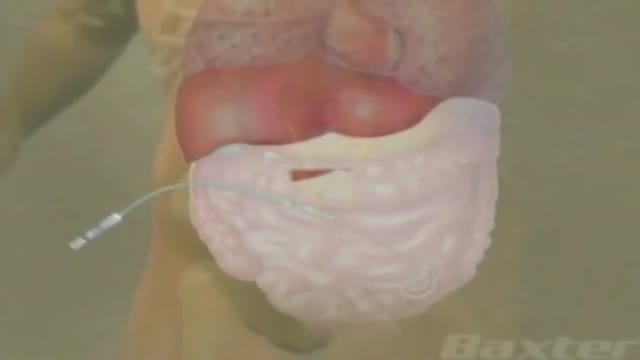
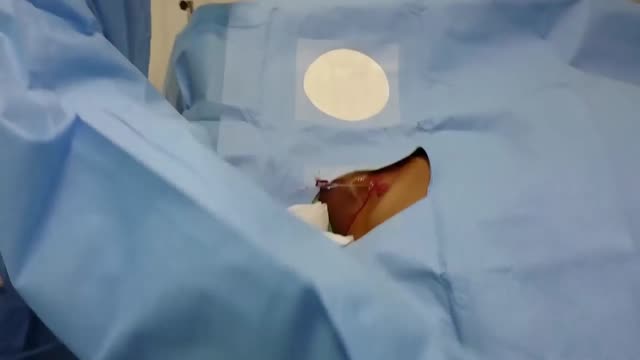
In peritoneal dialysis, the lining of your own abdomen (the peritoneum) is the filter: dialysis fluid is run in and out through a soft permanent tube in the tummy, usually at home, either in exchanges during the day or by a machine overnight. Your kidney team discusses which type fits your health and your life; some people change type over time.
How to Prepare
Good habits around sessions make a real difference — these are the ones experienced patients swear by:
- You will be weighed at every haemodialysis session — the difference from your target ("dry") weight tells the team how much fluid to remove. Wear loose sleeves that give easy access to your fistula arm.
- Bring something for the hours: a book, a tablet, headphones, a blanket, and snacks if your unit allows them. Sessions are long, and comfortable patients dialyse better.
- Learn your fistula care: check the buzzing feeling (the "thrill") daily, keep the arm clean, and do not let anyone take blood or blood pressure from that arm unless the dialysis team agrees.
- Keep a list of your medicines and take them as the kidney team directs — some are timed around sessions, and doses often change once dialysis starts.
- Tell the unit before your session if you feel unwell — fever, breathlessness, chest symptoms, or problems with your fistula or catheter — rather than waiting until you arrive.
- Plan transport and rest: many people feel washed out for a few hours after haemodialysis, especially at first, so keep the rest of a dialysis day gentle.
If your clinic gave you different instructions, follow theirs — they know your situation.
Before, during and after
Before
At the unit you are weighed, your blood pressure and temperature are checked, and the nurse examines your fistula or line. The machine is prepared with your prescription — session length, fluid-removal target and settings chosen by your kidney team. You settle into a reclining chair or bed and get comfortable before the needles go in.
During
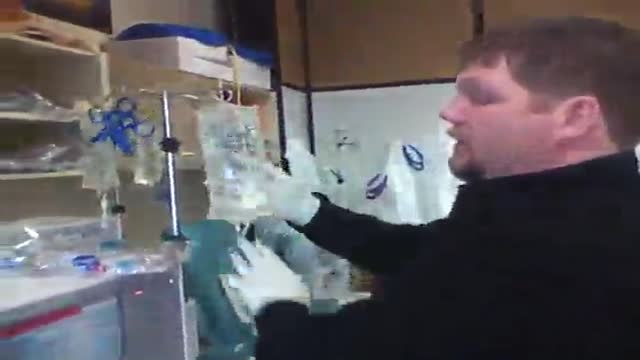
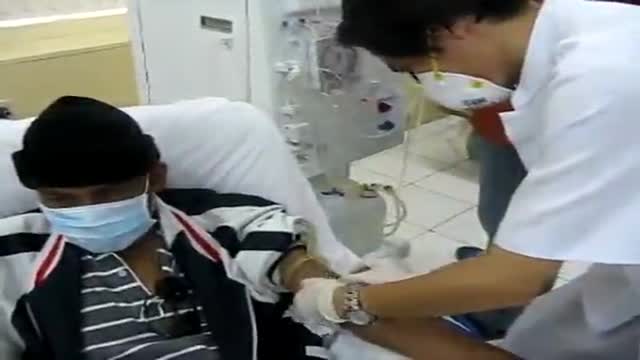
For haemodialysis, two needles are placed in the fistula (a sharp scratch; numbing cream or spray can be used) and connected to the machine. You will not see your blood leave and return in any dramatic way — the machine quietly does the work while you read, watch, chat or sleep. Staff check you and your blood pressure regularly. Cramps, feeling light-headed or nauseous usually mean fluid is coming off too fast for you that day — tell the nurse straight away so settings can be adjusted. Peritoneal dialysis at home follows the routine you were trained in: clean hands, careful connections, fluid in, dwell, drain out.
After
The needles come out and you press on the sites until bleeding stops — usually about ten minutes — then you are weighed again and your blood pressure checked before you go home. It is normal to feel tired afterwards. Contact your unit the same day for bleeding that will not stop, a fistula that stops buzzing, a fever, or a catheter site that becomes red or painful.
Watch: see it explained on video


Keep exploring
Dialysis — Condition HubMore dialysis videos, access guides and answers in one place.Open →Frequently asked questions
Does dialysis hurt?
The needles sting briefly at the start of haemodialysis; after that, most people feel little during the session itself. The common discomforts are cramps and light-headedness if a lot of fluid is removed, and tiredness afterwards. Peritoneal dialysis is not usually painful, though the fluid can feel like fullness in the tummy.
How long does each session take?
Haemodialysis at a unit usually takes about four hours, three times a week, plus travel and set-up time. Peritoneal dialysis exchanges take about 30–40 minutes each, several times a day, or run overnight on a machine for 8–10 hours. Your prescription is individual — ask your team what yours will be.
Can I eat and drink normally on dialysis?
Almost everyone on dialysis gets guidance on fluid and on foods rich in potassium and phosphate, because the kidneys no longer balance them between sessions. The limits are individual, and a renal dietitian is the right person to tailor them — broad rules copied from the internet can be wrong for you.
Will I still pass urine on dialysis?
Many people do, especially at first; urine output often falls gradually over months to years on dialysis. Any urine you still make helps with fluid balance, so tell your team if it changes noticeably.
Can I travel while on dialysis?
Yes — with planning. Haemodialysis units in other towns and countries can often host visiting patients, arranged weeks ahead through your own unit. Peritoneal dialysis supplies can be delivered to holiday destinations. Ask your unit well in advance and they will help you organise it.
This guide is general information, not medical advice. Follow your own clinician's instructions if they differ — they know your health history and the exact test you are having.