
- Physical Examination
- Surgical Examination
- Ophthalmology
- Clinical Skills
- Orthopedics
- Surgery Videos
- Laparoscopy
- Pediatrics
- Funny Videos
- Cardiothoracic Surgery
- Nursing Videos
- Plastic Surgery
- Otorhinolaryngology
- Histology and Histopathology
- Neurosurgery
- Dermatology
- Pediatric Surgery
- Urology
- Dentistry
- Oncology and Cancers
- Anatomy Videos
- Health and Fitness
- Radiology
- Anaesthesia
- Physical Therapy
- Pharmacology
- Interventional Radiology
- Cardiology
- Endocrinology
- Gynecology
- Emergency Medicine
- Psychiatry and Psychology
- Childbirth Videos
- General Medical Videos
- Nephrology
- Physiology
- Diet and Food Health
- Diabetes Mellitus
- Neurology
- Women Health
- Osteoporosis
- Gastroenterology
- Pulmonology
- Hematology
- Rheumatology
- Toxicology
- Nuclear Medicine
- Infectious Diseases
- Vascular Disease
- Reproductive Health
- Burns and Wound Healing
- Kidney Zone Podcast
- Other
Blood Tests — How to Prepare and What to Expect
A blood test is the commonest medical test of all: a small sample, usually from a vein inside the elbow, sent to a laboratory. Most of the questions people ask are about preparation — do I need to fast, can I take my medicines, will it hurt? This guide answers them, explains what happens during the draw step by step, and shows real blood draws in the videos below.
✓ Medically reviewed by Dr. Mohamed Ibrahim, MD, PhD — physician-scientist · Last reviewed: October 2026
What it is and why it is done
Blood carries measurable traces of how the body is working: blood cell counts, kidney and liver function, blood sugar, cholesterol, hormones, vitamins, inflammation markers and much more. One sample can be split between several tubes, each going to a different laboratory test, which is why a single draw can answer many questions at once.
A blood test is a snapshot, not a verdict. Results are compared against reference ranges, and a result just outside the range is common and often meaningless on its own. Your clinician reads the pattern together with your symptoms and history — one of the reasons results are best explained by the team who requested them.
How to Prepare
A few simple steps make the draw quicker, easier and more accurate:
- Check whether your test needs fasting. Tests such as fasting glucose are affected by recent food; if fasting is needed it is usually 8–12 hours, with water allowed. If you are unsure, ask the clinic — eating before a fasting test is a common reason for a repeat.
- Keep drinking water. Being well hydrated makes veins easier to find and the draw quicker.
- Take your normal medicines unless you are told otherwise — but mention everything you take, including supplements, when you book or arrive.
- Wear a top with sleeves that roll up easily above the elbow, and keep warm on the way; warm arms have more visible veins.
- If needles make you faint or anxious, say so when you arrive. You can lie down for the draw, look away, and take your time sitting up afterwards.
- Bring your test request form or know who ordered the test, and mention any previous difficult draws or bruising problems.
If your clinic gave you different instructions, follow theirs — they know your situation.
Before, during and after
Before
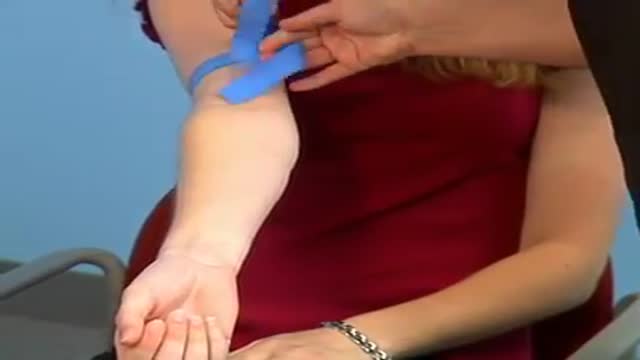
You check in, and the person taking the blood — a phlebotomist, nurse or doctor — confirms your identity and the tests requested, and labels the tubes with your details. A stretchy band (tourniquet) is placed around your upper arm and you may be asked to open and close your fist to make the vein stand out. The skin is cleaned.
During
A needle goes into the vein — a scratch and a brief sting, lasting seconds — and the tubes fill one by one. Most draws take two to five minutes in total. Looking away, breathing slowly and keeping the arm still and relaxed all help. If you feel faint, hot or sick, say so immediately; it is common, and the staff would rather stop and lie you flat.
After
The needle comes out, you press on the spot with cotton wool or gauze for a minute or two, and a small plaster goes on. Keep the arm fairly still for a short while and avoid heavy lifting with it for a few hours to reduce bruising. Results take from the same day for urgent hospital tests to about a week for routine ones, depending on the test.
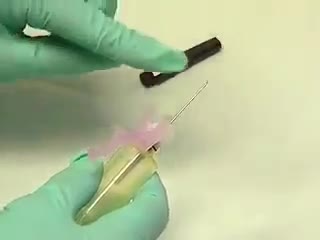
Watch: see it explained on video

Frequently asked questions
Do I really need to fast before a blood test?
Only for some tests. Fasting glucose is the classic one; many other tests — including most modern cholesterol checks — can be done without fasting, and practice varies by laboratory. Your request form or clinic will say. If in doubt, phone and ask rather than guessing: a fasting test done after breakfast usually has to be repeated.
Does a blood test hurt?
There is a brief sting as the needle enters, then mostly a feeling of pressure. The whole draw usually takes a few minutes. Most soreness afterwards comes from bruising, which fades over a few days. Tell the phlebotomist straight away if you get sharp or shooting pain.
Why do I have a bruise afterwards?
A little blood can leak under the skin after the needle comes out, especially if pressure was brief or the arm was used heavily soon after. Bruises look dramatic but are harmless and fade over one to two weeks. Pressing firmly for a full two minutes and resting the arm reduces them.
How much blood is taken?
Usually a few small tubes — together roughly two to four teaspoons for a typical set of tests, though a long list of tests means more tubes. Your body replaces the fluid quickly, and the amount is far less than a blood donation.
When and how do I get my results?
Urgent hospital tests can be back within hours; routine tests often take two to seven days. Depending on your clinic, results arrive by phone, letter, text or an online portal. If a result needs action, the clinic should contact you — but if you hear nothing by the time they suggested, it is reasonable to call and ask.
This guide is general information, not medical advice. Follow your own clinician's instructions if they differ — they know your health history and the exact test you are having.