
- Physical Examination
- Surgical Examination
- Ophthalmology
- Clinical Skills
- Orthopedics
- Surgery Videos
- Laparoscopy
- Pediatrics
- Funny Videos
- Cardiothoracic Surgery
- Nursing Videos
- Plastic Surgery
- Otorhinolaryngology
- Histology and Histopathology
- Neurosurgery
- Dermatology
- Pediatric Surgery
- Urology
- Dentistry
- Oncology and Cancers
- Anatomy Videos
- Health and Fitness
- Radiology
- Anaesthesia
- Physical Therapy
- Pharmacology
- Interventional Radiology
- Cardiology
- Endocrinology
- Gynecology
- Emergency Medicine
- Psychiatry and Psychology
- Childbirth Videos
- General Medical Videos
- Nephrology
- Physiology
- Diet and Food Health
- Diabetes Mellitus
- Neurology
- Women Health
- Osteoporosis
- Gastroenterology
- Pulmonology
- Hematology
- Rheumatology
- Toxicology
- Nuclear Medicine
- Infectious Diseases
- Vascular Disease
- Reproductive Health
- Burns and Wound Healing
- Kidney Zone Podcast
- Other
X-Ray — How to Prepare and What to Expect
An X-ray is the oldest and quickest imaging test: a focused beam passes through the body and records a picture of the bones and some organs inside. It takes minutes, does not hurt, and needs little preparation — but the few rules there are (metal, stillness, pregnancy) matter. This guide covers them, walks through what happens in the room, and shows what X-rays reveal in the videos below.
✓ Medically reviewed by Dr. Mohamed Ibrahim, MD, PhD — physician-scientist · Last reviewed: October 2026
What it is and why it is done
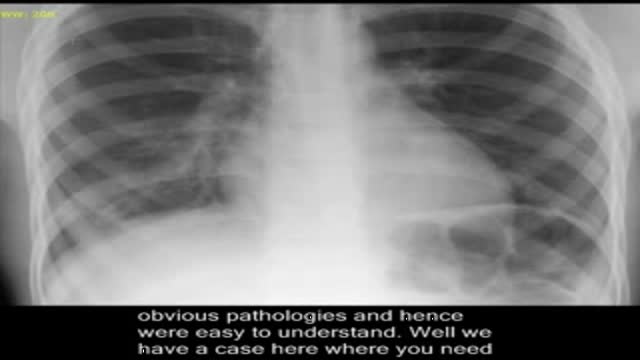
Different tissues absorb X-rays differently: bone absorbs most and shows white, air absorbs least and shows black, and soft tissues fall in between. That is why plain X-rays are so good for broken bones, chest problems such as pneumonia or heart failure, and checking the position of tubes and lines — all from a picture taken in a second or less.
An X-ray uses ionising radiation, but the dose for a single plain X-ray is small — comparable to a few days of the natural background radiation everyone absorbs from the environment. The team keeps doses as low as reasonably possible and only takes the pictures that are needed.
How to Prepare
Plain X-rays need almost no preparation — these few points cover nearly everything:
- Wear loose, comfortable clothes without metal over the area being X-rayed — zips, buttons, underwired bras, belts and jewellery can show on the picture and mean a repeat. You may be asked to change into a gown.
- Remove jewellery, watches, glasses and hair clips near the area beforehand, and expect to be asked about piercings.
- Tell the radiographer if there is any chance you could be pregnant. Many X-rays can still be done safely with shielding or an adapted technique, but the team needs to know before, not after.
- For most plain X-rays you can eat, drink and take medicines as normal — exceptions will be stated in your appointment letter.
- Bring your request form or referral details, and tell the team about recent similar X-rays — previous pictures are often useful for comparison and can prevent repeats.
- If pain makes standing or lying in position difficult, say so: there are supports and alternative positions, and pictures can often be taken sitting or in a wheelchair.
If your clinic gave you different instructions, follow theirs — they know your situation.
Before, during and after
Before
The radiographer checks your details and the request, explains which pictures are needed, and positions you — standing against a frame, sitting, or lying on a table, depending on the body part. The area is lined up carefully with a light marker; positioning takes longer than the picture itself.
During
For each picture you are asked to keep very still, and for chest X-rays to take a deep breath in and hold it for a few seconds. The radiographer steps behind a screen — they can still see and hear you — and takes the exposure, which is silent and painless. Several views from different angles are common. The whole appointment usually takes 10 to 20 minutes.
After
There is no recovery: you get dressed and can go straight home or back to the ward. X-rays do not make you radioactive. The pictures are examined by a radiologist or reporting radiographer, and the report goes to the clinician who requested the test — usually within a few days for routine requests, and much faster for urgent ones.
Watch: see it explained on video
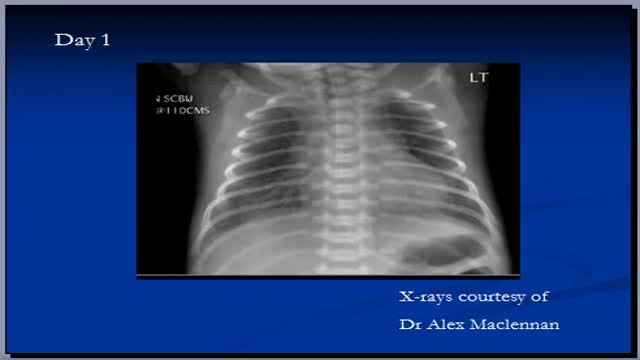

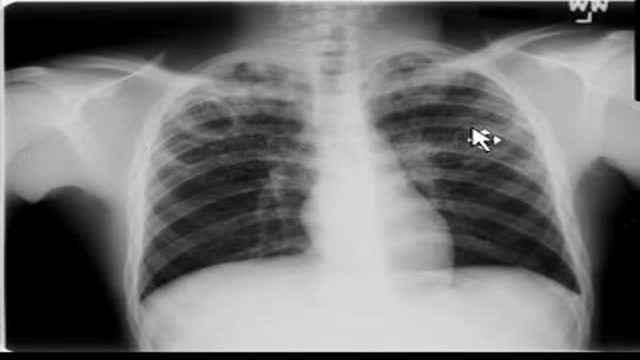
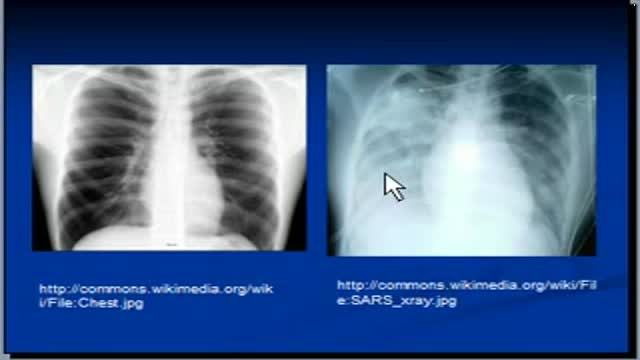
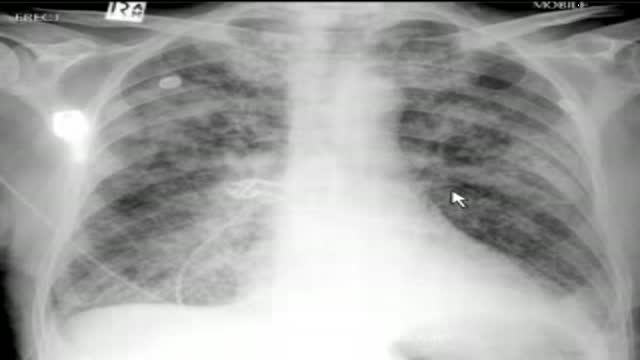
Keep exploring
CT Scan — Prepare GuideA CT scan is the X-ray test’s bigger relative — see how its preparation and contrast dye work.Open →Frequently asked questions
Does an X-ray hurt?
No — the exposure itself is completely painless and lasts a fraction of a second. The only discomfort can come from holding a position, especially with an injury; tell the radiographer and they will help you get comfortable and work quickly.
How much radiation is in an X-ray?
A single plain X-ray (for example of the chest or a limb) carries a small dose, roughly equal to a few days of natural background radiation. CT scans involve more. The benefit of a needed picture far outweighs this small risk, and departments keep doses as low as reasonably achievable.
Can I have an X-ray if I am pregnant?
Often, yes — especially of areas away from the abdomen, and with shielding. But you must tell the team if you might be pregnant, before the exposure: they may adapt the technique, shield the pelvis, or suggest a different test such as ultrasound or MRI for abdominal problems.
Why did the radiographer leave the room?
Staff take many X-rays every day, so they stand behind a protective screen during the split-second exposure to keep their own dose near zero. They can see you through a window and hear you the whole time, and the exposure is over before you notice.
When do I get the result?
A specialist reports the pictures and sends the report to whoever requested the test — your GP, clinic or hospital team. Routine reports usually take a few days; urgent and emergency X-rays are reported the same day. The radiographer can usually tell you how results will reach you.
This guide is general information, not medical advice. Follow your own clinician's instructions if they differ — they know your health history and the exact test you are having.