
- Physical Examination
- Surgical Examination
- Ophthalmology
- Clinical Skills
- Orthopedics
- Surgery Videos
- Laparoscopy
- Pediatrics
- Funny Videos
- Cardiothoracic Surgery
- Nursing Videos
- Plastic Surgery
- Otorhinolaryngology
- Histology and Histopathology
- Neurosurgery
- Dermatology
- Pediatric Surgery
- Urology
- Dentistry
- Oncology and Cancers
- Anatomy Videos
- Health and Fitness
- Radiology
- Anaesthesia
- Physical Therapy
- Pharmacology
- Interventional Radiology
- Cardiology
- Endocrinology
- Gynecology
- Emergency Medicine
- Psychiatry and Psychology
- Childbirth Videos
- General Medical Videos
- Nephrology
- Physiology
- Diet and Food Health
- Diabetes Mellitus
- Neurology
- Women Health
- Osteoporosis
- Gastroenterology
- Pulmonology
- Hematology
- Rheumatology
- Toxicology
- Nuclear Medicine
- Infectious Diseases
- Vascular Disease
- Reproductive Health
- Burns and Wound Healing
- Kidney Zone Podcast
- Other
Hip arthroscopy
Category: Bone, Joint & Spine Procedures · All bone, joint & spine procedures
What it is
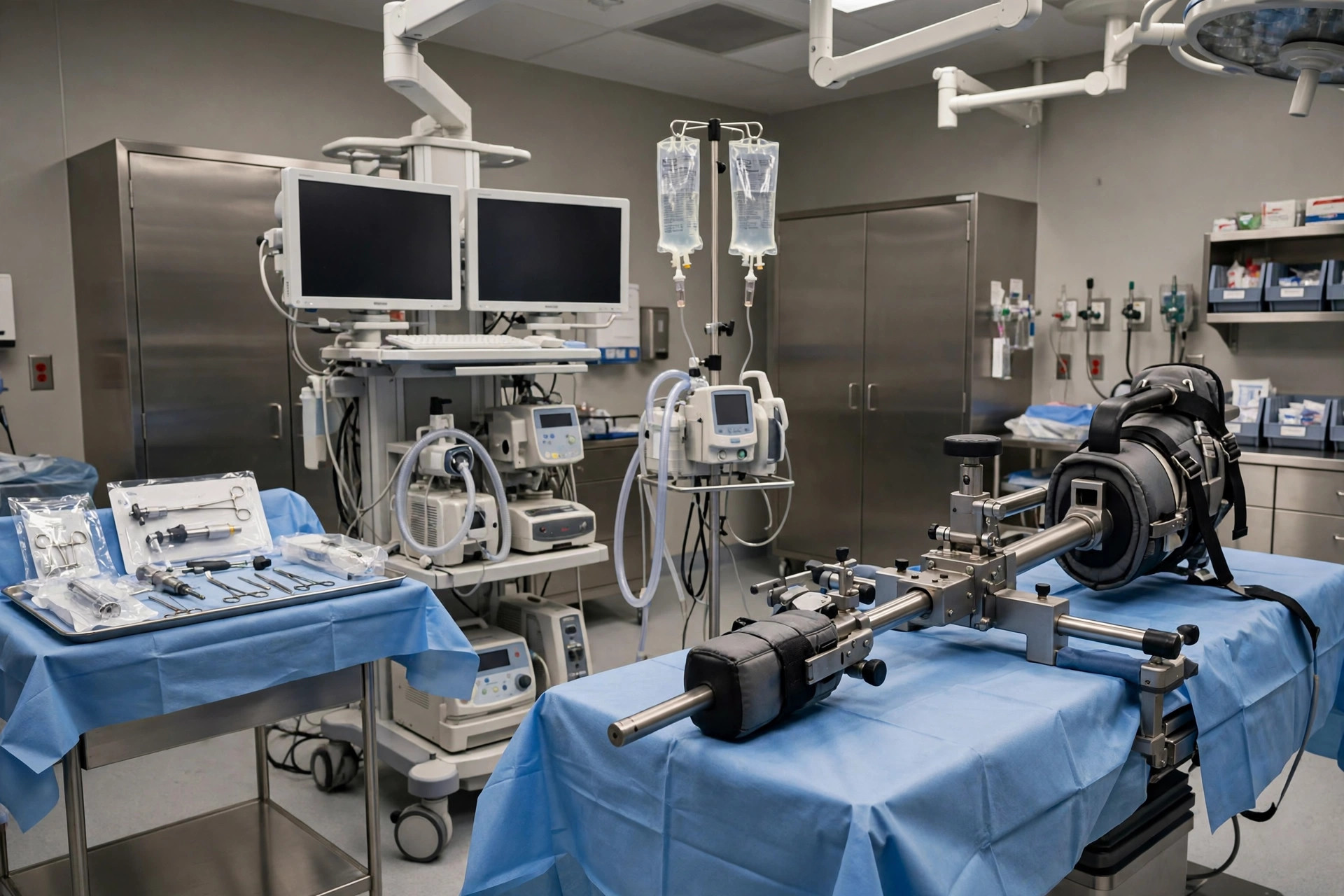
Hip arthroscopy is keyhole surgery of the hip joint in which a camera and instruments are inserted while the joint is gently distracted on a traction table. It treats problems such as labral tears and femoroacetabular impingement (extra bone that pinches the joint).
Why it is done
It is used for younger and middle-aged adults with hip pain from labral tears or impingement that has not responded to physiotherapy and activity modification, and where arthritis is not advanced.
How to prepare
Assessment includes X-rays and often MRI with contrast. You fast before surgery and plan crutches and time off, because weight-bearing may be protected initially depending on what is done.
What happens during the procedure
Under general anaesthetic, the leg is placed in traction to open the joint space; the camera enters through small cuts and the surgeon trims impinging bone, repairs or trims the labrum and treats cartilage damage as found. Surgery takes one to two hours.
Afterwards — recovery & results
Physiotherapy begins early to restore movement without overloading repairs; crutches are used for a few weeks as advised. Return to sport typically takes three to six months. Sitting tolerance and flexion improve progressively.
Risks & considerations
Risks include temporary numbness in the groin or thigh from traction, infection, blood clots, incomplete relief (especially if arthritis is present), and rarely fracture or joint damage. Patient selection strongly influences success, which your surgeon will discuss.
Related guides on MedicalVideos.com
Frequently asked questions
Who does hip arthroscopy help most?
People with clear mechanical impingement or labral tears, preserved joint space on X-ray and symptoms matching the findings. Advanced arthritis predicts poor results, when hip replacement may be the better discussion.
Why traction?
The hip is a tight ball-and-socket. Gentle traction separates the ball slightly so instruments can enter without damaging the cartilage.
Related procedures — Bone, Joint & Spine Procedures
Browse the H section of the A–Z list or return to the Procedures & Tests hub.